November's Celestial Wonders: Multiple Events to Take Place Throughout the Month
The night sky transforms into a spectacular display of celestial wonders as daylight saving time ends on November 1st, allowing stargazers to enjoy the view without having to stay up late or wake up early.
As the autumn season reaches its peak, the night sky is transforming into a spectacular display of celestial wonders. With the end of daylight saving time on November 1st, the sun will set earlier, allowing stargazers to enjoy the view without having to stay up late or wake up early.
November is proving to be an exciting month for amateur astronomers, with multiple events taking place throughout the month. While there are no major celestial events, a series of smaller ones is making up for it. The month's activities offer something for everyone to look forward to.
One of the most notable aspects of November's night sky is that every planet is visible this month. However, the viewing experience varies depending on the time and day. Mercury and Venus are the two planets that are more challenging to spot due to their proximity to the sun.
Mercury has been in its eastern elongation phase since October, which means it will be too close to the sun for safe viewing at the start of November. However, by November 20th, Mercury reaches its western elongation, making it easily visible just before sunrise for the rest of the month.
Venus starts the month just ahead of the sun at sunrise, but as the month progresses, it will move further away from the sun, becoming safer and easier to see towards the end of the month. This means that stargazers can catch a glimpse of Venus every morning in November.
Mars is another planet that's easily visible throughout the month. It rises out of the eastern horizon shortly after midnight at the beginning of November and gets earlier as the month progresses. Early morning or right around midnight towards the end of the month are the best times to spot Mars.
Jupiter and Mars have become unlikely friends in the night sky, rising together at roughly the same time throughout November. The star Regulus joins them, forming a trio that's easily visible with the naked eye for the entire month.
Saturn can be seen every night in November, appearing in the eastern sky as the sun sets and setting on the western horizon just before sunrise. To appreciate its stunning ring system, a pair of binoculars or a telescope is necessary.
Neptune and Saturn are aligned in the sky this month, following similar trajectories and making them easily observable together. Binoculars or a telescope can help bring out their details.
Uranus is also visible daily throughout November, rising in the east before sunset and setting in the west around sunrise. It reaches opposition on November 25th, when it's at its most distant from the sun and will be particularly prominent. To get the best view, binoculars or a telescope are still recommended.
The month commences with a conjunction of Mars, Jupiter, and the moon. These three celestial bodies appear close together in the night sky, making them simple to spot: the moon is easily identifiable, while both planets can be seen with the naked eye. On November 2nd, the moon will be closer to Mars, and all three will move across the sky together throughout the night.
Regulus joins this trio on November 2nd, forming a group that's readily visible to the unaided eye for the entire month. The alignment continues on November 3rd, with the moon moving over to the other side of Regulus but remaining close to Mars and Jupiter.
The Southern Taurids meteor shower has been active since September 20th and will continue until November 20th. Although it peaks during the evening of November 4th and morning of November 5th, this shower is not particularly strong, averaging around five meteors per hour. However, its fireballs can be quite spectacular.
The star Regulus continues to be a notable presence in the night sky throughout November, as does Mars, which draws closer to Jupiter and the moon over the course of the month.
The Southern Taurid meteor shower is set to peak on a night when the moon is in a favorable position for viewing, with only 22% illumination. This makes conditions ideal for spotting these meteors, which are expected to appear as streaks of light emanating from the constellation Taurus.
To maximize your chances of seeing this spectacle, it's essential to get away from urban areas and find a spot with minimal light pollution. Dress warmly and bring binoculars or a telescope if you have one, as these can help enhance your viewing experience.
The full moon is often the most popular celestial event on many people's calendars, but sky enthusiasts also appreciate the new moon phase. This occurs when the moon is in its darkest state, making it easier to spot other stars and planets that might be obscured by its light.
The new moon on November 9th will provide the perfect conditions for stargazing and night-sky photography, as many of the brighter celestial objects will become more visible without the moon's interference. This includes distant worlds like Uranus and Neptune, which are often difficult to spot due to the moon's brightness.
Carl Sagan Day is an unofficial holiday celebrated on November 9th, commemorating the life and work of the renowned astronomer. If you're stuck indoors that evening, you can take advantage of this occasion by watching Sagan's groundbreaking Cosmos series, available for free online through various platforms.
The planets in our solar system are visible to the naked eye throughout November, but on the 14th, there will be a rare alignment that makes them particularly easy to spot. Mercury, Venus, Mars, and Jupiter will all line up, creating a striking visual effect that's sure to captivate observers.
This celestial event is best viewed just before sunrise, when the planets are at their highest point in the sky. The alignment of Jupiter and Mars will be especially notable, as they will appear close together on this night.
The alignment of Jupiter and Mars is not the only celestial event taking place this month. Another planetary presence can be seen in the night sky - Uranus is visible at this time, bringing the total number of planets to three.
Saturn and Neptune are below the horizon, but Uranus' position on the other side of the sky means it doesn't contribute to the alignment. This makes it a standalone sight for stargazers to enjoy.
Those who missed the Southern Taurids meteor shower have only a week to wait before catching another glimpse of shooting stars. The Northern Taurids are set to peak on November 11 and 12, with optimal viewing conditions due to the moon's low illumination - just 5% on November 11.
The Northern Taurids share many characteristics with their Southern counterparts. They appear to originate from the same constellation, Taurus, which rises and sets at similar times as it did a week earlier. The shower promises around five meteors per hour under ideal conditions, with an increased chance of fireballs.
This meteor shower is also fueled by the same comet that powers the Southern Taurids - 2P/Encke. It's a celestial repeat performance, with both showers drawing from the same source material.
Leonids is another notable meteor shower in November, though it has a shorter duration than its Taurid counterparts. Starting on November 6 and ending on November 30, it peaks on the evening of November 16 and morning of November 17.
Viewers will find it easy to locate the Leonids meteor shower, as meteors appear to originate from the Leo constellation - an area that also includes visible planets Jupiter and Mars.
The Leonids meteor shower has been known to produce spectacular displays of meteors, but experts warn that 2026 may not be as intense as some previous years. However, there is still a possibility for an exceptional meteor storm, although the odds are currently low.
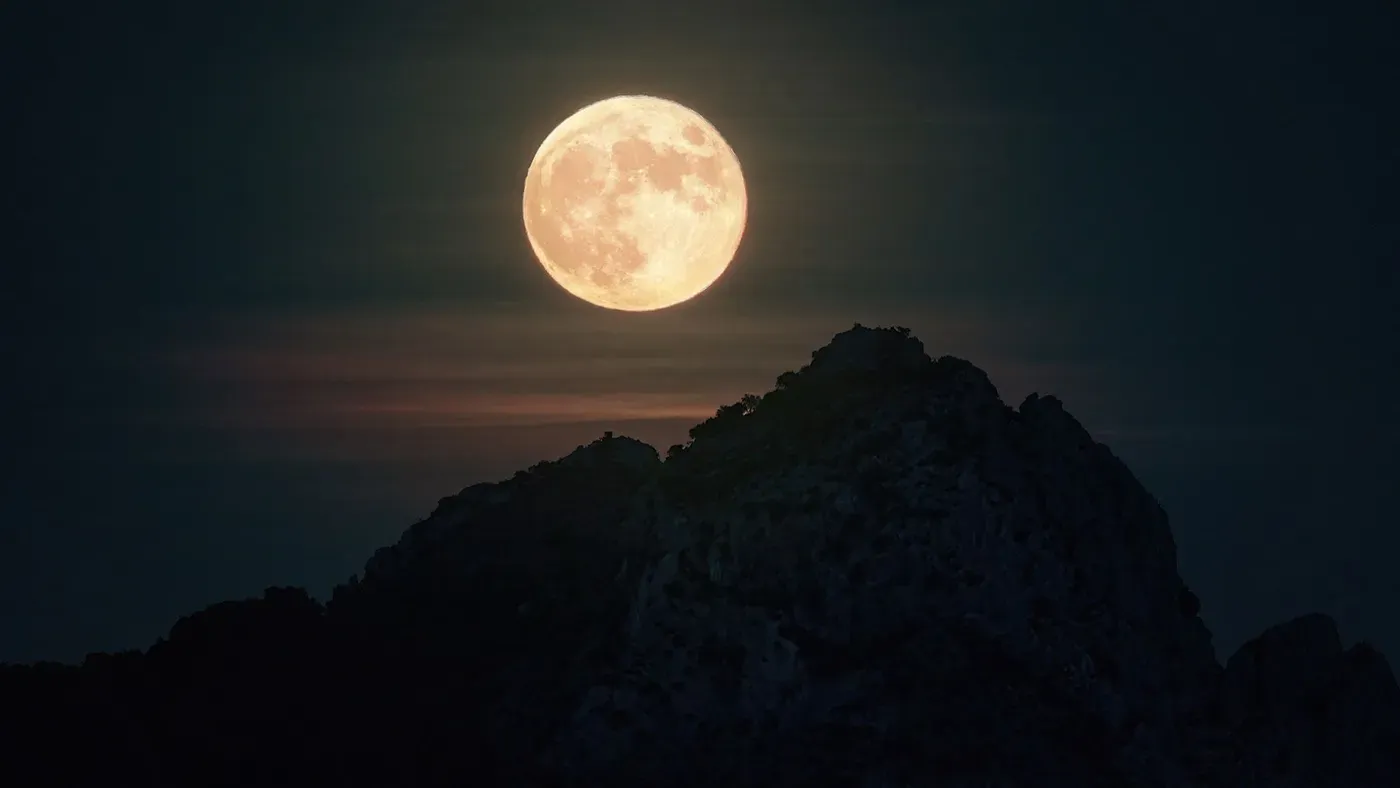
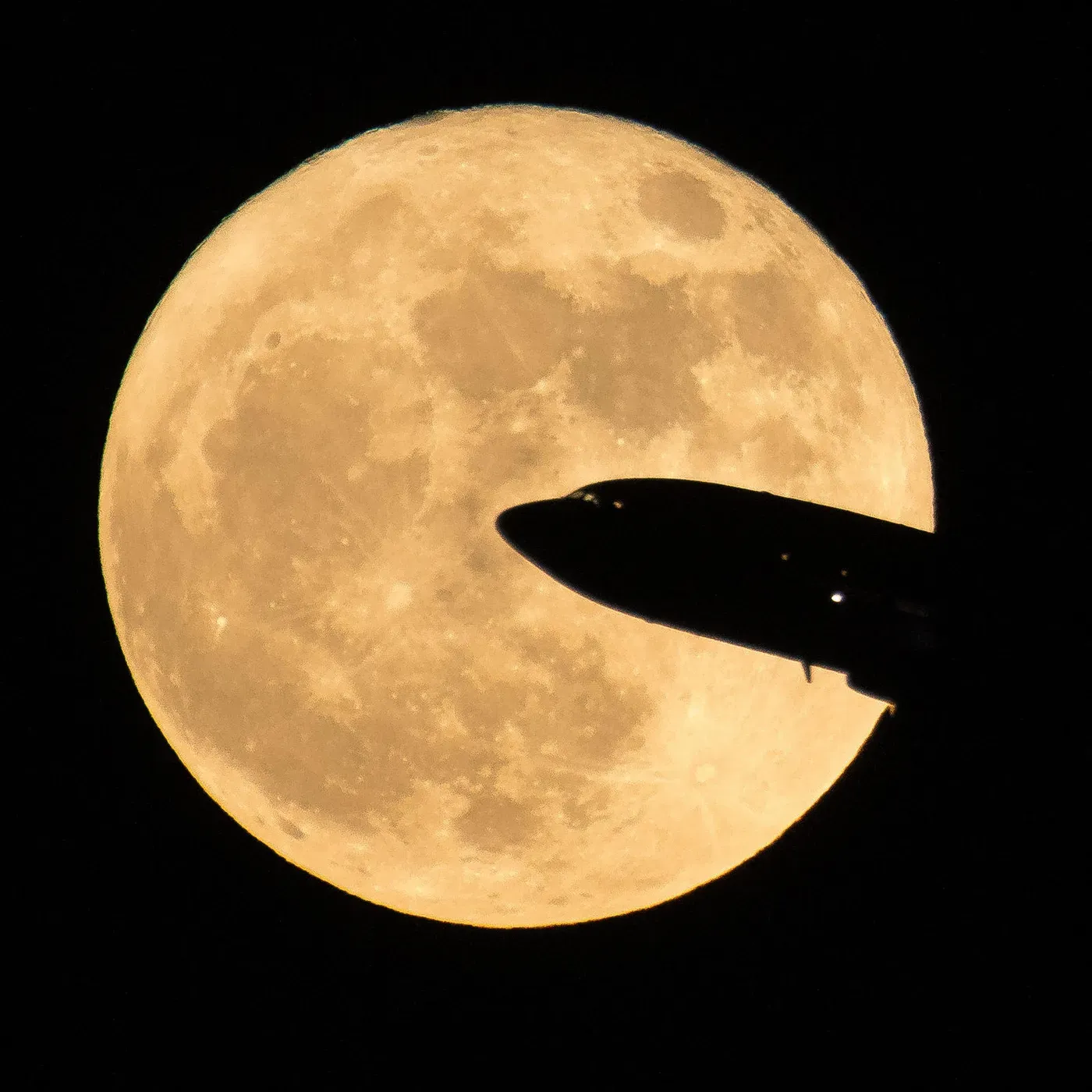
November's Beaver Moon will take place just two days before Thanksgiving, marking the start of four consecutive supermoons in a row. This phenomenon occurs when the moon reaches within 90% of its closest point to Earth, making it appear about 7% larger and noticeably brighter than usual.
The peak illumination of the Beaver Moon is expected to occur on November 24 at 9:53 a.m. ET, but this will be after sunrise for most people in the US. Therefore, the best time to see the moon will either be the night before or the evening after its peak illumination.
The moon's full brightness will create significant light pollution, making it ideal to avoid going skygazing during these days. It is recommended to plan your stargazing activities around the moon's phases to maximize visibility and minimize glare.
Jupiter, Mars, and the moon are once again set to congregate in the night sky towards the end of November. This close proximity will make them easily visible with the naked eye, and Regulus will be tagging along as it did during their previous meetup.
The trio will only remain together for one night before the moon moves away, but this brief alignment offers a unique opportunity for stargazers to observe all four celestial bodies in the same area of the sky. Algieba, the second brightest star in the Leo constellation, may also be visible to eagle-eyed observers without the need for binoculars or a telescope.
As the month comes to a close, Jupiter, Mars, and the moon will once again form a striking visual display in the night sky. This fleeting alignment will provide an excellent chance for stargazers to observe these celestial bodies up close and personal, making it an exciting conclusion to November's skywatching events.
As November 2026 comes to a close, the constellations continue their seasonal transformation from summer to winter patterns. This change brings Taurus, Pegasus, Capricornus, Aquila, Pisces, and Aries into prominence in the night sky.
Astronomers recommend using a sky map or software like Stellarium to locate these prominent constellations, as some may be difficult to spot from southern latitudes due to their position. This is particularly true for long-time favorites such as the Big Dipper and Little Dipper, which remain visible but can be harder to find in certain areas.
In addition to well-known patterns, November's sky offers opportunities to discover lesser-known asterisms like the Pleiades (the Seven Sisters), the Great Square of Pegasus, and the Circlet of Pisces. The Summer Triangle remains visible, while the Winter Triangle becomes more accessible as it rises earlier in the evening.
Facts based on reporting originally published by CNET.
You may republish this story, in full or in part, if you credit News Central Site and link to it (licence CC BY 4.0). Photos are not included.