New Zealand Bracing for Drier and Windier Conditions Amid Record-El Niño Event
A new climate assessment warns that New Zealand's climate is entering uncharted territory due to unprecedented warming, with the country expected to experience drier and windier conditions this summer.
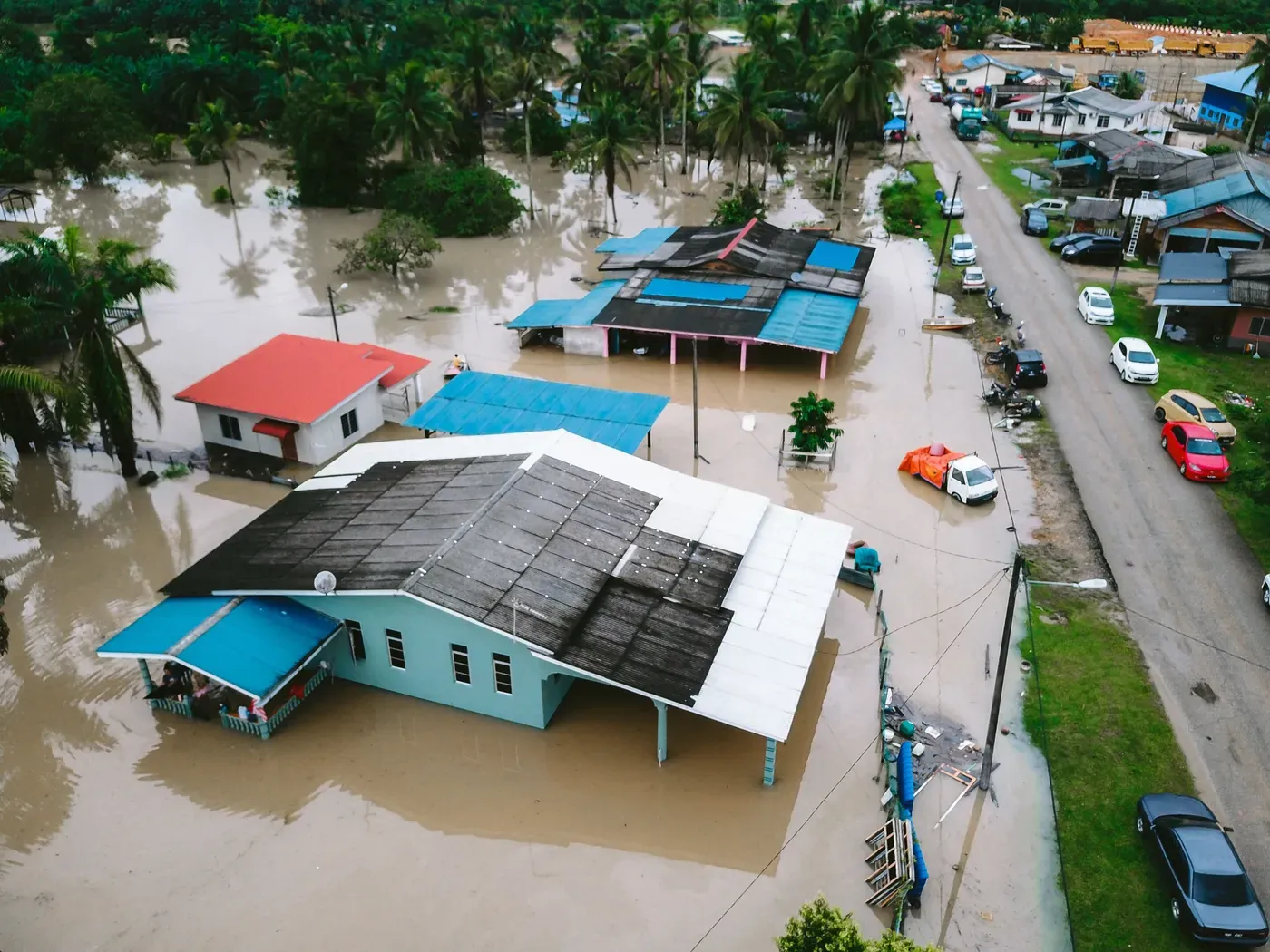
A record-strength El Niño event is expected to bring drier and windier conditions to New Zealand's north and east regions this summer. However, a new climate assessment warns that this extreme weather phenomenon is unfolding against a backdrop of unprecedented warming.
According to the Our Atmosphere and Climate 2026 report, New Zealand has warmed by 1.36°C since record-keeping began in 1909, with seven of its ten warmest years occurring within the last decade alone. This trend indicates that the country's climate is entering uncharted territory.
The nation's carbon dioxide levels have increased significantly, rising by 30% since 1972 and doubling over the past five decades, as measured at a monitoring station at Baring Head. Globally, CO₂ levels are now higher than they have been for millions of years.
Ocean surface temperatures around New Zealand are warming at an alarming rate, increasing 34% faster than the global average, with the Tasman Sea region becoming a hotspot for marine heat waves.
The ongoing warming trend is expected to accelerate the loss of glacial ice in New Zealand, a process that has already been dramatic. Glaciers are projected to lose between 50% and 85% of their remaining mass this century, with some potentially disappearing altogether if greenhouse gas emissions are not reduced rapidly.
Weather patterns will also become more extreme, particularly during El Niño events. This summer, parts of the country can expect heavier rainfall in the west of the South Island, while eastern regions may experience even drier conditions due to increased drought intensity.
New Zealand's contribution to global emissions is a significant issue that needs addressing. Despite making up only 0.06% of the world's population, New Zealanders account for a disproportionately large share of total emissions at 0.17%. On a per capita basis, they rank among the top 40 emitters globally.
The report emphasizes that background warming trends are not just a concern but also highlights changes in episodic extreme events. These can have devastating consequences, including loss of life and damage to infrastructure, housing, and livelihoods.
Increased temperatures will lead to more frequent and severe droughts, heatwaves, and fires, while flooding is likely to become more intense. Conversely, cold extremes are expected to become rarer, with significant implications for water and food security.
The projected sea-level rise around New Zealand's coasts will continue for centuries, with far-reaching consequences for coastal communities and ecosystems. As the land is sinking in many areas, the increasing water levels will put immense pressure on coastal infrastructure and private property.
Coastal floods are likely to become a major concern, with virtually inevitable loss of infrastructure and private property over the course of this century and beyond. This scenario poses significant challenges for coastal communities that rely heavily on their surroundings.
Climate impacts in New Zealand are not evenly distributed, and different communities will be affected in varying ways. Māori communities and business interests are particularly exposed to climate-related risks due to their economic and social dependence on the environment.
Many marae, which are sacred sites for Māori people, are located in coastal areas or floodplains, making them vulnerable to flooding. Furthermore, over 80% of Māori households face a high risk of being affected by floods.
Agricultural businesses owned by Māori communities often focus on sectors such as farming and aquaculture, which are particularly vulnerable to climate change impacts. This exposure poses significant risks for these businesses, as they struggle to adapt to changing weather patterns.
Climate change is having a profound effect on commercial fish stocks in New Zealand's oceans. Rising temperatures are causing fish to move to different areas, resulting in reduced catches for fishermen. Furthermore, algal blooms and marine heat waves will likely affect the production of farmed salmon and shellfish.
Tourism, another significant sector in New Zealand, is also expected to suffer as a result of climate change. The country has already seen a decline in tourist numbers following extreme weather events such as Tropical Cyclone Gabrielle. This trend is likely to continue due to increasing costs and desirability of international travel.
Flooding and landslides caused by climate-related events can have severe consequences for regional communities, particularly when multiple events occur consecutively. For instance, the Auckland Anniversary weekend floods were preceded by several heavy rain events that left soils saturated, exacerbating the damage.
The key to mitigating New Zealand's climate change impacts lies in reducing greenhouse gas emissions from agriculture and transport sectors.
These sectors are responsible for most of the country's emissions, making it crucial to address them as part of New Zealand's obligations under the Paris Agreement.
Facts based on reporting originally published by Phys.org.
You may republish this story, in full or in part, if you credit News Central Site and link to it (licence CC BY 4.0). Photos are not included.