New sparkling drinks challenge conventional wisdom on sugar content
A new trend in the beverage market is emerging, favoring drinks with natural ingredients and moderate amounts of sugar over artificial sweeteners or extreme calorie restriction.
A new wave is sweeping through the world of sparkling drinks, challenging the conventional wisdom that zero sugar is always better.
In the past few months, a multitude of bubbly beverages have flooded the market, all boasting a touch of sugar instead of artificial sweeteners or no sugar at all.
Some of these drinks are reimagining classic seltzer water and soda pops, while others are drawing inspiration from heritage libations like switchel and agua fresca - resulting in refreshingly unique flavors.
The trend is characterized by the use of real ingredients in moderation, rather than relying on artificial sweeteners or extreme calorie restriction.
Griffin Owens and Marcus Klein, co-founders behind Yuzuco, attribute this shift to changing consumer preferences. According to Klein, "Until recently, better-for-you meant no compromise." Consumers wanted products that were not only healthy but also delicious, without sacrificing any of the good stuff.
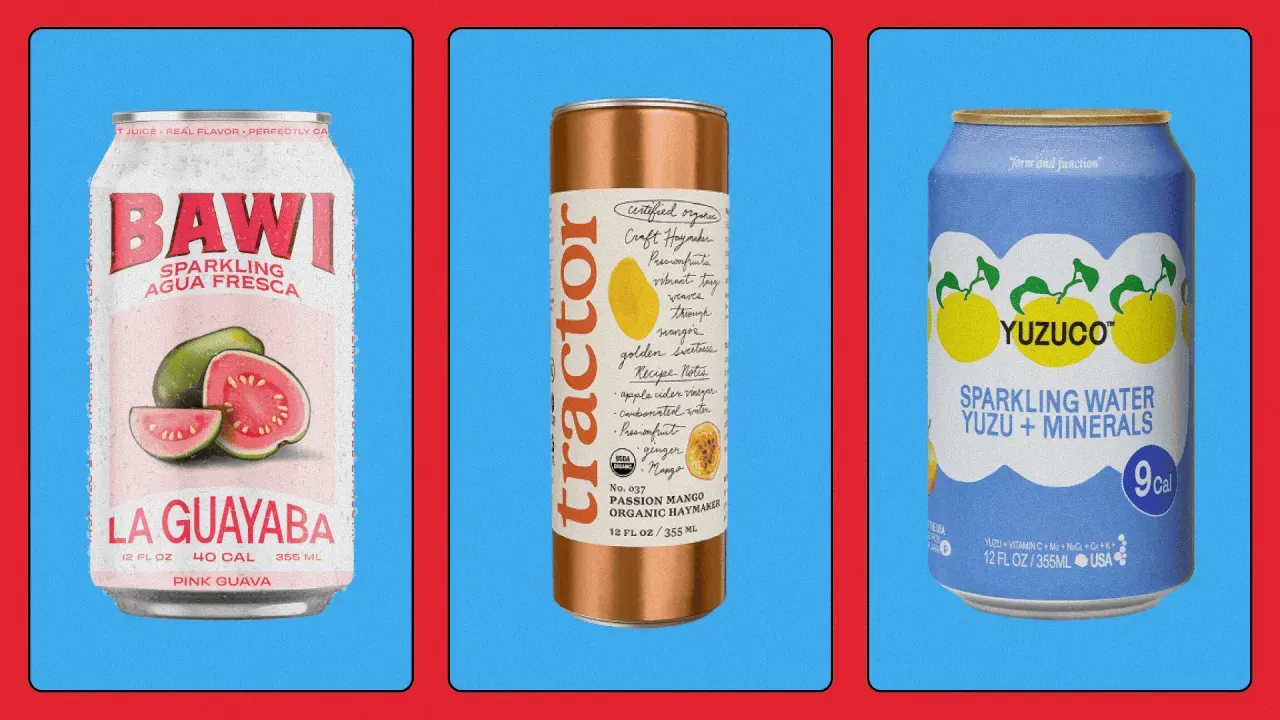
For Yuzuco, the key ingredient is yuzu, a Japanese citrus fruit that shines in its canned sparkling drinks. The beverage is made with water, cold-pressed yuzu juice, and a few functional minerals, resulting in a tangy 9-calorie drink with just 1 gram of sugar due to the natural sweetness of the yuzu.
The use of natural ingredients like yuzu juice sets Yuzuco apart from other sparkling drinks on the market. Unlike many zero-sugar options that can taste artificial or overly sweet, Yuzuco's products strike a perfect balance between sweet and sour flavors.
Shoppers are increasingly seeking out drinks that use recognizable ingredients, rather than relying on artificial sweeteners or obscure natural alternatives. This shift in consumer preferences has led companies to prioritize using real ingredients in their products.
As a result, several brands have begun incorporating actual fruit juice and honey into their sparkling drinks. For instance, Bawi's Agua Frescas offer effervescent twists on traditional Mexican flavors like passion fruit, pineapple, and guava, all made with real fruit juice. Similarly, Walker Brothers' Forest Waters bottle wild-harvested botanicals that are sweetened with a touch of wildflower honey.
The trend is not limited to these specific brands, as several companies have launched products that emphasize the use of recognizable ingredients. Tractor Beverage Co., for example, recently introduced its canned version of switchel, a zesty farmer's tonic made from ginger and apple cider vinegar. The company's chief brand officer and head of product, Duke Stump, notes that it is essential to use "kitchen ingredients" in their products.
By prioritizing the use of real ingredients, these companies are betting on the idea that consumers will respond positively to more transparent and familiar flavor profiles. This approach stands out from other zero-sugar options, which can often taste artificial or overly sweet.
The trend towards zero-sugar sparkling drinks has shifted as consumers now crave a touch of sweetness in their bubbly beverages. This change in preference is evident in the market, where manufacturers are opting for natural sweeteners over artificial alternatives.
To cater to this demand, beverage brands are revisiting traditional ingredients like molasses and maple syrup to add depth and richness to their products without overpowering them with excessive sugar content. Fruit juice is another popular choice, offering a more nuanced sweetness that complements the flavors of other ingredients.
The inclusion of honey in certain sparkling drinks has proven particularly effective in achieving this balance. According to Sophia Spring, cofounder of Ooso, the use of honey adds a floral and caramel-like note to their iced teas, perfectly balancing the tartness of citrus and fruit flavors.
This new wave of sparkling drinks is successfully combining bubbles, natural ingredients, and a refreshing taste experience that consumers are eager for, making it an ideal alternative to traditional sugary sodas.
Facts based on reporting originally published by Bon Appetit.
You may republish this story, in full or in part, if you credit News Central Site and link to it (licence CC BY 4.0). Photos are not included.