New discovery made at Sutton Hoo historic site
A new excavation at Sutton Hoo has uncovered an unusual second burial with no bones, only ghost-like shapes where a body once lay.
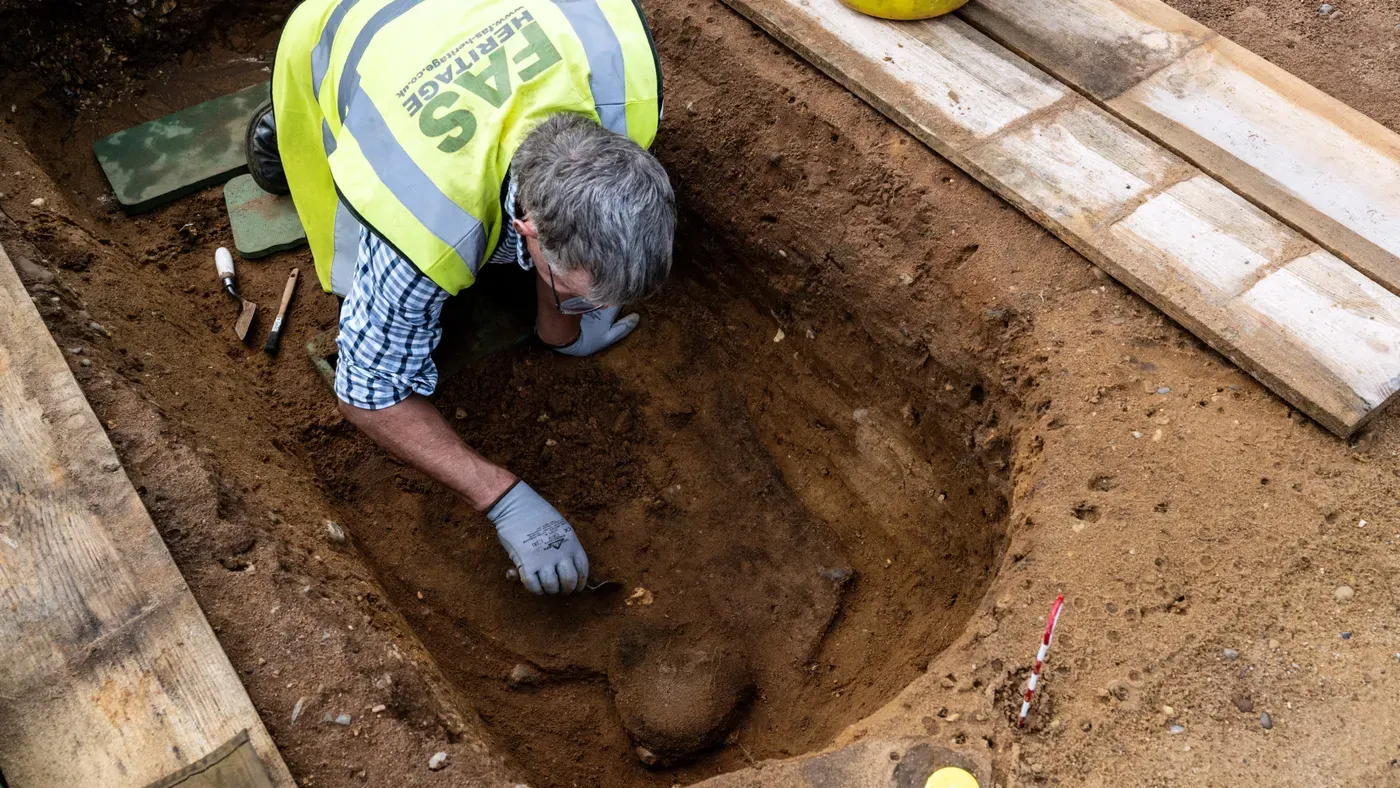
A new discovery has been made at the historic site of Sutton Hoo, a place renowned for its seventh-century ship burial of an early medieval king. The excavation uncovered a second burial, but this one is unlike any other found previously - it contains no bones, only ghost-like shapes where a body once lay.
The National Trust's statement on the matter revealed that the unusual grave was discovered in Garden Field, a burial ground located near the famous ship burial site, as part of an ongoing archaeological project. The excavation was led by experts from the National Trust and FAS Heritage.
In contrast to previous excavations at Sutton Hoo, which focused on uncovering artifacts such as the bronze bucket found in 2024, this latest dig aimed to discover more about the cemetery's extent, when it was used, and whether those buried there had any connection with the occupant of the "great ship burial.
The documentary series Time Team" is also involved in the project, creating a four-part program featuring the archaeological work being done at Sutton Hoo. According to Wainwright, until now archaeologists have concentrated on understanding who was buried in the famous ship burial, but this new discovery has shifted attention towards uncovering more about the cemetery's occupants and their connections to the royal burial mounds.
The recent excavation at Sutton Hoo has yielded an unexpected discovery - a sand body burial that challenges previous assumptions about the cemetery's layout and significance.
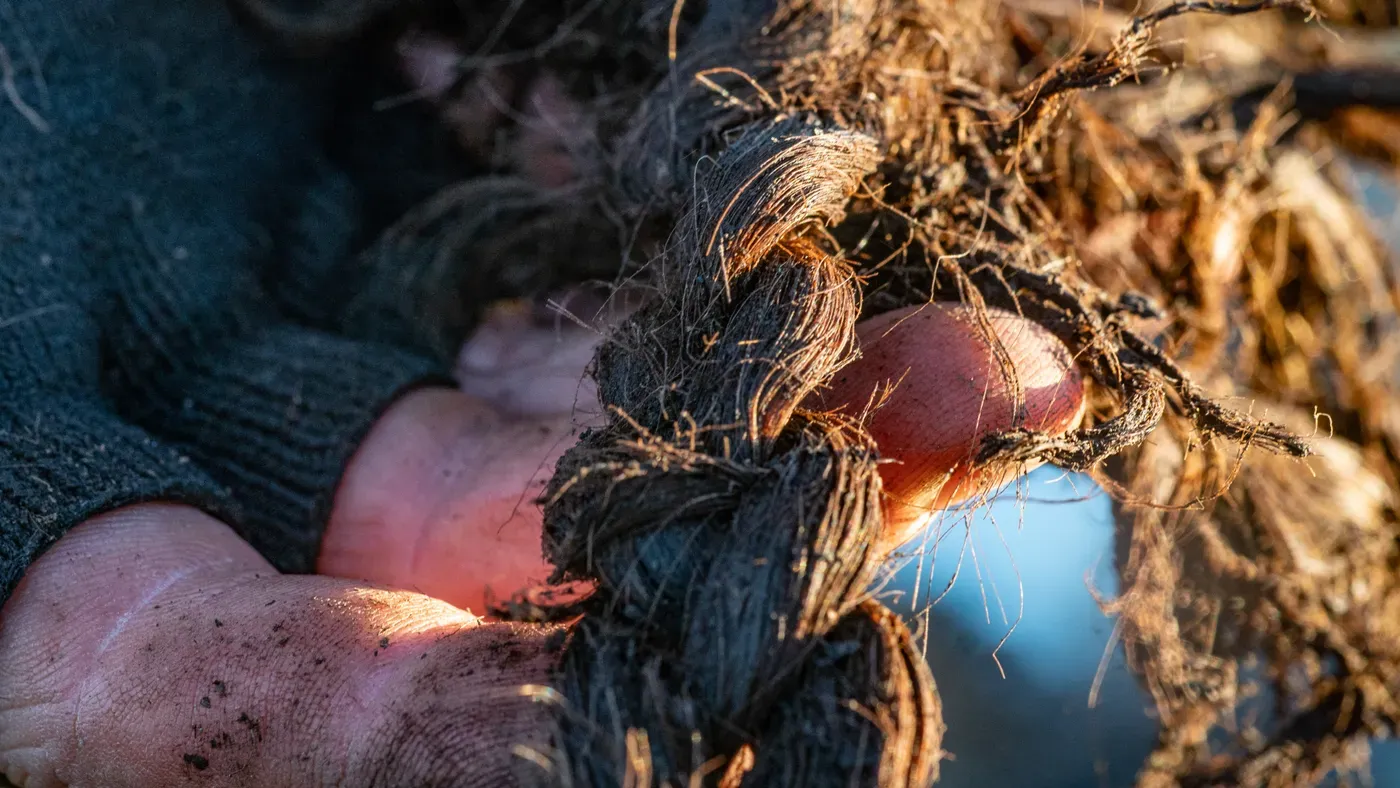
Uncovered during the final week of the month-long dig, the unusual grave goods found alongside the deceased include beads, tweezers, a knife, and a brooch. This haul suggests that the individual buried in this manner was likely someone from a lower social class or with different burial customs than those typically associated with Sutton Hoo.
However, what's truly striking about this find is not just the presence of these grave goods, but also the fact that they were laid directly under another body - a second person who may have been buried in the same grave. This raises questions about the relationships between individuals and families buried within the Garden Field cemetery.
The team has made it clear that their focus is shifting towards understanding more about the everyday lives of East Anglians, rather than just those associated with the ship burial.
A new discovery has shed light on the lives of people buried in the Garden Field cemetery at Sutton Hoo, with evidence suggesting that they may have been acquiring wealth and social status before the famous ship burial.
The excavation uncovered sand bodies and cremations, which some experts believe could predate the ship burial. This theory is based on the discovery of a gold ingot buried alongside one person, indicating an increase in wealth among the community. The presence of such valuable items suggests that the people being buried were rising through social ranks.
Archaeologists also found fragments of a possible dock used for launching ships into the River Deben, as well as a unique fragment of a cremation urn with decorative designs.
Facts based on reporting originally published by Live Science.
You may republish this story, in full or in part, if you credit News Central Site and link to it (licence CC BY 4.0). Photos are not included.