Nationwide outages affect critical systems such as air travel and banking transactions
The causes behind these failures remain unclear, but officials confirm they are not due to a malicious cyberattack.
Nationwide outages have plagued the country over the past week, affecting various critical systems such as air travel, email services, banking transactions, and more. The causes behind these failures remain unclear, leaving citizens concerned about their technological infrastructure.
Contrary to initial fears of a coordinated cyberattack, officials now confirm that the outages are not the result of a malicious AI-driven assault on critical systems. However, it appears that AI has still played a significant role in the disruptions, although not in the way many would have expected.
Advanced AI models have accelerated the discovery of software vulnerabilities, prompting tech teams to swiftly implement patches to prevent bad actors from exploiting these weaknesses with equally powerful AI tools. The rapid pace at which these vulnerabilities are being discovered and patched has created challenges for system administrators who struggle to keep up with the speed of implementation.
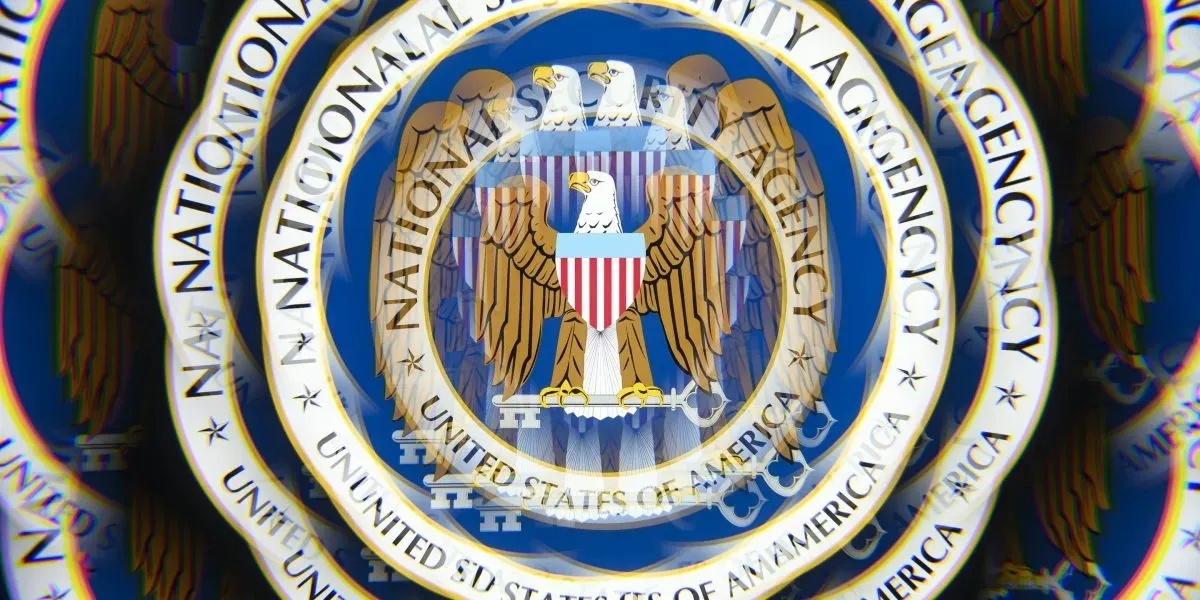
The botched implementation of these patches was linked to a recent outage of an internal communications system at the National Security Agency (NSA), as well as banking outages experienced by several major banks, including Bank of America, Wells Fargo, and JPMorgan Chase.
The rapid pace at which AI-powered tools identify vulnerabilities is causing chaos for IT teams, who are struggling to keep up with the deluge of patches.
Banking giant Bank of America has been forced to hire 1,000 external contractors to help patch flaws exposed by the Anthropic's Mythos model, in addition to its existing team of 3,000 internal staffers. This influx of new personnel is putting a strain on resources and further exacerbating the problem.
The issue lies not with the tools themselves, but rather with their implementation, according to Amit Shah, founder and CEO of InstaLILY AI. "The AI finds a vulnerability in seconds and may not know what else breaks when you fix it," he explained, highlighting the complexity of the situation.
Amit Shah's words echo those of Jeff Collins, CEO of WanAware, who noted that the speed at which vulnerabilities are discovered by AI-powered tools far outpaces the ability of human teams to deploy fixes. "AI now discovers vulnerabilities at machine speed while our testing and deployment safeguards remain stuck at human speed," Collins observed.
The resulting pressure on IT teams has led some experts to warn of a "rush to eliminate vulnerabilities, with little regard for the potential consequences of implementing patches hastily. Palo Alto Networks CEO Nikesh Arora noted that this approach is creating a challenge, with no easy solutions in sight.
The sheer volume of fixes being applied by cybersecurity staff is putting pressure on them to rush through updates without fully testing every change.
This can lead to unintended consequences, such as introducing new vulnerabilities that attackers can exploit. Attackers are quick to capitalize on known weaknesses, which can be a major concern for enterprises with large code bases.
Steinhauer believes this is not an implementation failure, but rather a necessary phase in securing code bases. He likens it to road maintenance, where finding and fixing problems requires temporary disruptions.
The comparison to road maintenance highlights the importance of addressing vulnerabilities proactively, even if it causes short-term inconvenience. Steinhauer notes that waiting until a bridge collapses is far more costly than shutting down traffic to fix a crack.
As AI becomes increasingly integrated into security processes, questions arise about its role in exacerbating problems. Did AI tools create unnecessary anxiety by overstating the significance of vulnerabilities?
The onus of responsibility remains unclear, with human and AI roles blurring. Are security teams pushing for rapid adoption of AI tools to avoid catastrophic breaches?
Legacy operational pipelines are struggling to keep pace with the speed at which AI-driven diagnostic engines can identify vulnerabilities. This mismatch is causing issues, rather than any inherent flaws in AI itself or human error from exhausted engineers. The pipeline's inability to absorb the velocity of change is the root cause of the problem.
OpenAI has developed cybersecurity-specific models that allow organizations to scan for vulnerabilities on a massive scale, and it's rapidly expanding its Daybreak program to provide these tools to approved security professionals. This initiative aims to patch the planet by securing code more effectively than ever before. As part of this effort, OpenAI offers dashboards that categorize bugs based on severity and help teams prioritize their resolution.
A week and a half prior to the outage, OpenAI's president and co-founder Greg Brockman announced a partnership with JPMorgan Chase to utilize OpenAI models in securing its systems. This collaboration is part of the company's broader effort to leverage AI in cybersecurity applications.
The JPMorgan Chase spokesperson has clarified that OpenAI's tools were not involved in the outage, attributing it instead to a temporary issue related to a software bug in on-premise hardware systems. The company did not identify or resolve this problem with the aid of AI tools, according to the spokesperson.
OpenAI co-founder and president Greg Brockman recently emphasized that there is no question" that cybersecurity will eventually become a more significant business for the company than its core coding activities. This shift in focus has led to changes within the organization, including the appointment of Dali Rajic as Chief Revenue Officer earlier this year.
Rajic brings extensive experience in selling cybersecurity solutions to large enterprises, and his role is aimed at accelerating OpenAI's growth in this area through leveraging his expertise.
The rapid deployment of artificial intelligence in cybersecurity has brought about unintended consequences, making it harder for organizations to implement effectively.
Lawmakers are now capitalizing on the recent outages to push for stricter regulations, including better coordination and patch-related safeguards, with Representative Andy Ogle introducing a bill today that aims to address this issue.
Facts based on reporting originally published by Fortune.
You may republish this story, in full or in part, if you credit News Central Site and link to it (licence CC BY 4.0). Photos are not included.