NASA Advances Helicopter Technology for Future Mars Missions
Researchers are utilizing computer simulations and wind tunnel tests to improve rotorcraft blade designs for upcoming Mars flights.
NASA researchers are making significant strides in developing advanced helicopter technology for future Mars missions. The goal is to create rotorcraft capable of flying higher and farther than their predecessors while conducting scientific research on the Red Planet.
Engineers at NASA are utilizing high-fidelity computer simulations and wind tunnel tests to reevaluate and reimagine the design of rotorcraft blades that will be used in upcoming Mars flights. This effort aims to build upon the success of the Ingenuity helicopter, which made history as the first powered aircraft to fly on another planet.
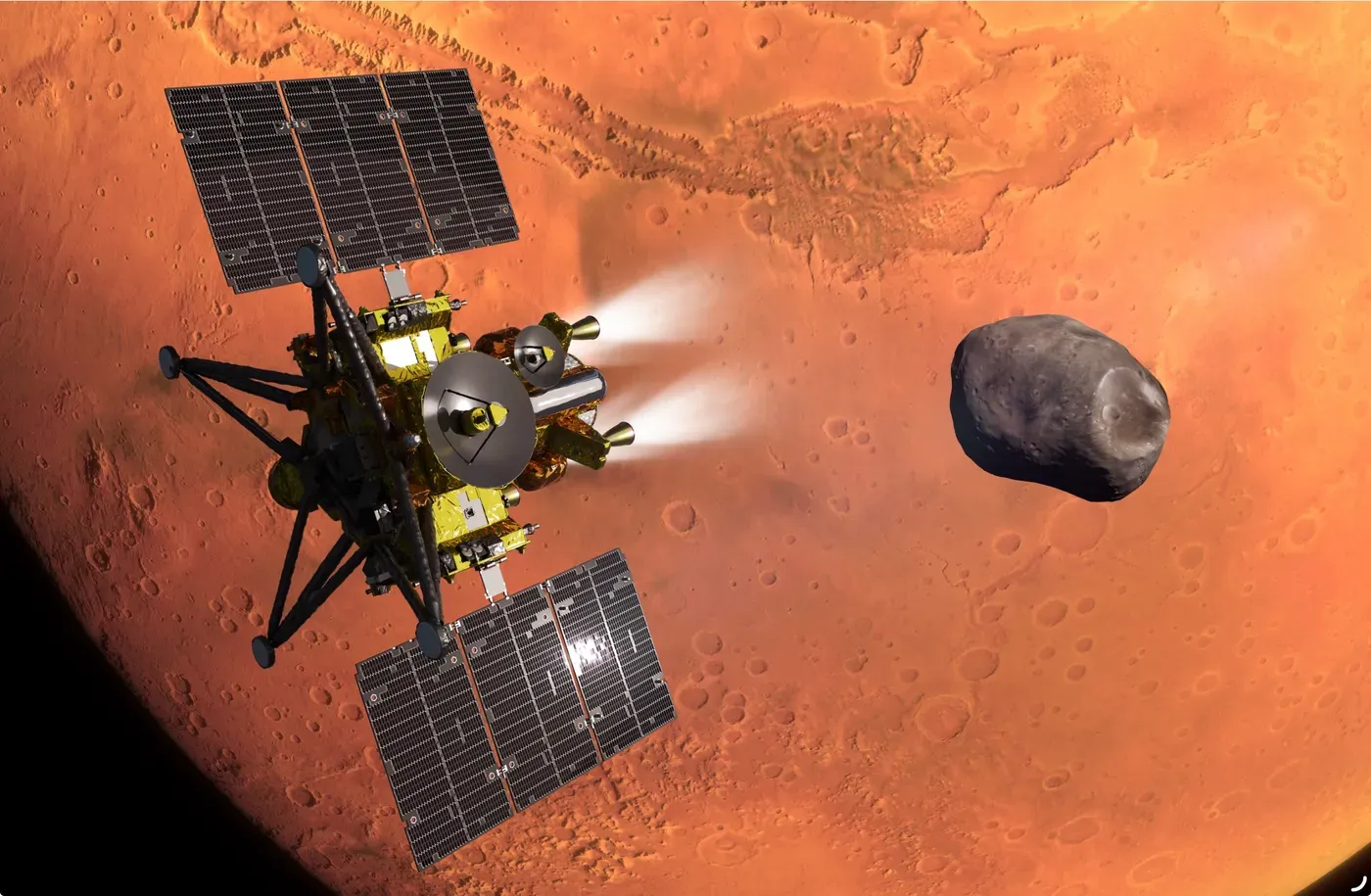
The SkyFall mission, scheduled for launch in 2028, is expected to feature a trio of helicopters designed to explore and study Mars. These spacecraft will utilize rotorcraft blades that have been specifically engineered to operate effectively within the thin atmosphere of Mars.
Researchers are actively exploring unconventional blade designs that incorporate thinner and sharper profiles. This new approach seeks to enhance aerodynamic performance on Mars, paving the way for future missions to expand their single-flight range across the planet.
The collaboration between NASA's Ames Research Center in California and international partners such as Imperial College London and Nagoya University is crucial in developing these innovative blade designs.
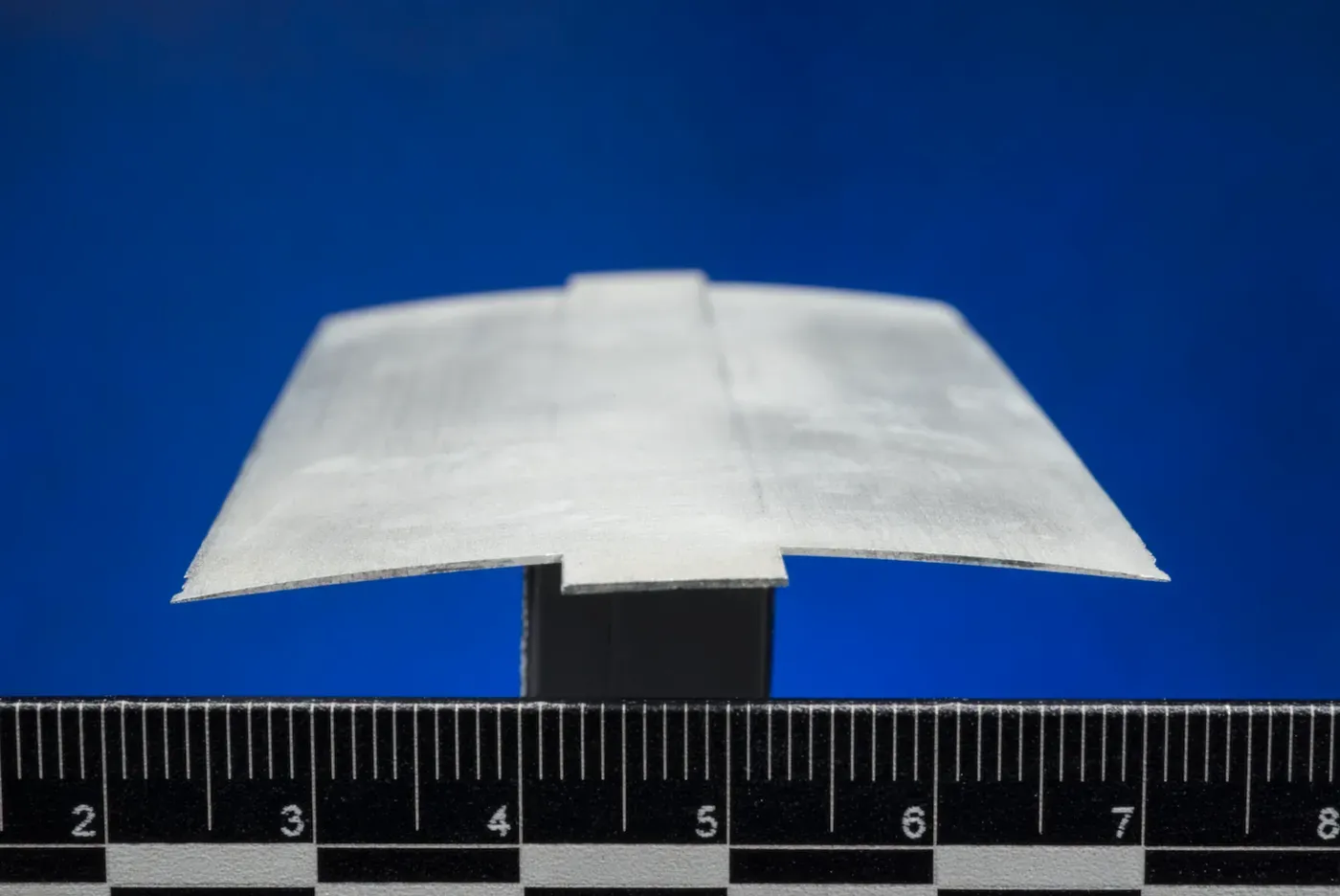
Researchers have been working on designing new blades for Mars helicopters that can withstand the harsh conditions of the Red Planet and enable longer flights. To achieve this goal, they employed advanced simulations and algorithms specifically tailored to Martian conditions, resulting in a thinner, asymmetrical shape.
The redesigned airfoil, called roamx-0201, was put through rigorous wind tunnel testing, which revealed significant improvements in performance compared to earlier designs. The optimized blades showed enhanced ability to recover from challenging flight situations, demonstrating their potential for future Mars missions.
According to simulations using high-fidelity tools, the new blade design could enable future Mars helicopters to travel much farther than the current record held by Ingenuity, with distances potentially reaching up to 18.7 kilometers (11.6 miles) while carrying scientific instruments. This would be a significant increase from Ingenuity's current maximum distance of 0.7 kilometers (0.43 miles).
The new blade design also exhibits improved performance at higher speeds before experiencing "drag divergence," where aerodynamic efficiency drops off rapidly as the rotors approach the speed of sound, which is lower on Mars than on Earth.
The key to the roamx-0201's success lies in its unique handling of turbulence, specifically how it disrupts the boundary layer formed over the blade. By intentionally creating a disturbance at the leading edge, the new airfoil uses this turbulence to generate lift more effectively than earlier designs, opening up new possibilities for future Mars rotorcraft development.
The new aerodynamic design of rotor blades for Mars helicopters aims to overcome a critical challenge: stall. Stall occurs when the angle of airflow changes, causing performance to plummet and flight to become unstable. The roamx-0201 design has shown significant improvement in stall behavior compared to Ingenuity's blades.
This breakthrough means future Mars helicopters can operate safely at a wider range of flight angles. Engineers are using computational predictions to understand and resolve discrepancies between these models and real-world performance.
To create more efficient Mars helicopters, ongoing research is focused on enabling longer flights with greater payload capacity. This could unlock new science and discovery missions on the Red Planet.
The roamx-0201 design's improved stall behavior paves the way for safer and more versatile rotorcraft, a crucial step towards making long-duration Mars exploration possible.
Facts based on reporting originally published by Phys.org.
You may republish this story, in full or in part, if you credit News Central Site and link to it (licence CC BY 4.0). Photos are not included.