Mineral sunscreens offer protection against UV radiation
As a long-time advocate for daily sun protection, I've received countless questions about my favorite sunscreens - and it's not surprising given the overwhelming number of options available...

As a long-time advocate for daily sun protection, I've received countless questions about my favorite sunscreens - and it's not surprising given the overwhelming number of options available on the market.
Dermatologists often tell me that the best sunscreen is one that becomes an integral part of your daily routine. In other words, it's the one you'll actually use every day without fail.
To find the perfect formula for your needs, it's essential to consider a few key factors. First and foremost, think about your lifestyle - if you're frequently outdoors or engage in activities that involve water or sweat, you may need a sunscreen that is both portable and waterproof.
When choosing a sunscreen, it's also crucial to take into account the sensitivity of your skin. If you have delicate skin, look for products with gentle ingredients that won't cause irritation or allergic reactions.
There are numerous types of sunscreens available on the market, each designed to cater to specific needs and preferences - from sprays and sticks to powders and mineral-based formulas.
The world of sunscreen is vast and varied, offering numerous options for consumers looking to protect their skin from the sun's harmful rays.
Mineral sunscreens are one type of sunscreen available on the market, also known as physical sunscreens, which block UV rays by scattering and reflecting them off the skin. This process involves the use of zinc oxide and titanium dioxide, key ingredients in mineral sunscreens that provide protection against damage caused by UV radiation.
According to dermatologists, mineral sunscreens are a great option for those with sensitive skin, as they tend to be less irritating than chemical sunscreens. However, some users may experience a white cast on the skin after application, although newer formulations have been developed to minimize this effect.
Several brands have introduced lightweight, non-greasy textures that blend seamlessly into the skin, such as Beauty Pie's Traceless Mineral Sunscreen SPF 30 and Good Weather Skin The One Daily Sun Scream SPF 30 Mineral Sunscreen. In contrast, some products like EltaMD UV Recovery 100% Mineral Face Sunscreen feature a green tint to help color correct any redness.
In addition to mineral sunscreens, chemical sunscreens are another option for consumers. These products work by absorbing the sun's UV rays and triggering a chemical reaction that turns them into heat, which is then released from the skin.
Chemical sunscreens are typically formulated using various ingredients such as oxybenzone and octinoxate, which can be easily absorbed into the skin without leaving behind a white residue. According to Dr. Garshick, these chemical filters work well for people with sensitive skin but may cause irritation in some individuals.
Some gentle chemical sunscreens that are worth trying include Beauty of Joseon's Day Dew Sunscreen and Supergoop! Unseen Sunscreen SPF 50, which not only provide effective protection against the sun's rays but also add a radiant glow to the complexion.
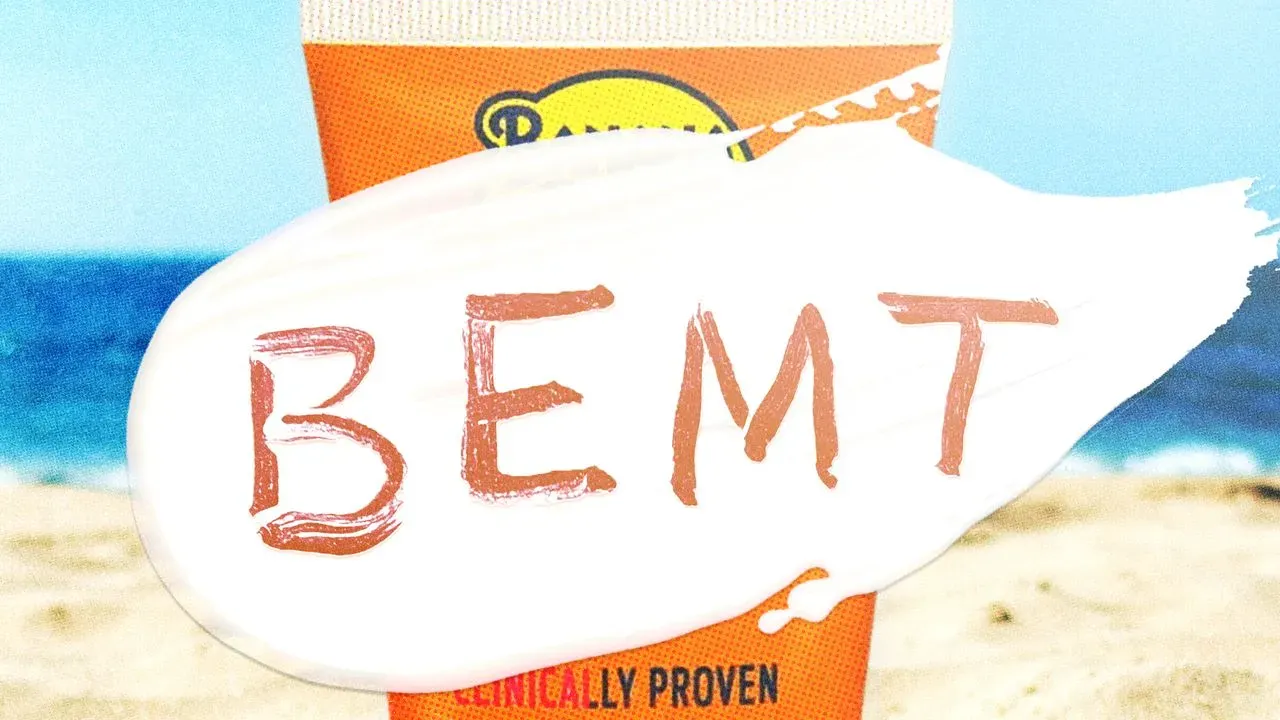
The US Food & Drug Administration (FDA) has recently approved the use of bemotrizinol (BEMT), a new ingredient that can be included in chemical sunscreens. BEMT is a single filter that absorbs both UVB and UVA radiation, offering comprehensive protection against skin cancer and premature aging.
As cosmetic chemist Krupa Koestline explained, BEMT has been widely used around the world for decades but is now being adopted by some US brands. Brands such as Ultraviolette and La Roche-Posay are launching formulas that feature this new chemical filter, including their SPF 50 products.
Spray sunscreens are often seen as a convenient alternative to traditional lotions, but their application is where they differ significantly.
According to Dr. King, spray sunscreens can be particularly useful for applying sunscreen to hard-to-reach areas of the body and for providing quick coverage when needed.
To get the most out of a spray sunscreen, it's essential to hold the nozzle close to the skin and spray generously until the skin glistens with a visible layer of protection.
This typically requires one ounce of product to cover the entire body, meaning that larger 6-ounce bottles can provide up to six full-body applications.
When choosing a spray sunscreen for the face or body, consider options like the Vacation Classic Spray SPF 50, which blends seamlessly into the skin and has a pleasant scent.
Stick sunscreens come in solid formulas that contain the same active ingredients as their lotion counterparts, making them suitable for use on both the face and body.
According to Dr. King, stick sunscreens are ideal for applying to hard-to-reach areas like the face, particularly when reapplying sunscreen while outdoors or engaging in activities that may cause it to be washed off.
To ensure adequate coverage, Dr. King recommends reapplying stick sunscreen every two hours, following the same guidelines as with lotion formulas. She also suggests taking a portable mineral sunscreen like Blue Lizard's Sensitive Mineral SPF 50+ Stick, which is effective and easy to use on-the-go.
When choosing a stick sunscreen, look for options that are water-resistant, such as Abib Airy Sunstick Protection Bar SPF50+, or Shiseido Ultimate Sun Protector Clear Stick SPF 60+. These products can provide up to 80 minutes of protection against water and sweat.
However, Dr. King notes that one potential drawback of stick sunscreens is the difficulty in measuring the correct amount of product for application, which can lead to inadequate coverage if not applied correctly.
When it comes to powder sunscreens, there are several options available that offer a convenient and portable way to apply sunscreen on-the-go. The Brush on Block SPF 30 Mineral Powder Sunscreen and the iS Clinical PerfecTint Powder SPF 40 are two such products that come with a brush applicator, allowing for precise control over the amount of product applied.
To achieve adequate sun protection when using powder sunscreen, it is essential to pair it with a broad-spectrum lotion or cream that has an SPF of at least 30. This ensures that you have sufficient coverage against both UVA and UVB rays. Additionally, make sure your brush is fully loaded with product before applying, as this will help ensure adequate coverage.
To apply powder sunscreen effectively, use gentle strokes to cover all exposed areas, including the forehead, cheeks, nose, chin, ears, and any other sensitive spots. Be sure to reapply every two hours when outdoors or engaging in activities that cause excessive sweating, such as water sports or exercise.
Facts based on reporting originally published by Vogue.
You may republish this story, in full or in part, if you credit News Central Site and link to it (licence CC BY 4.0). Photos are not included.