Military tensions with the US and Israel ongoing in Iran
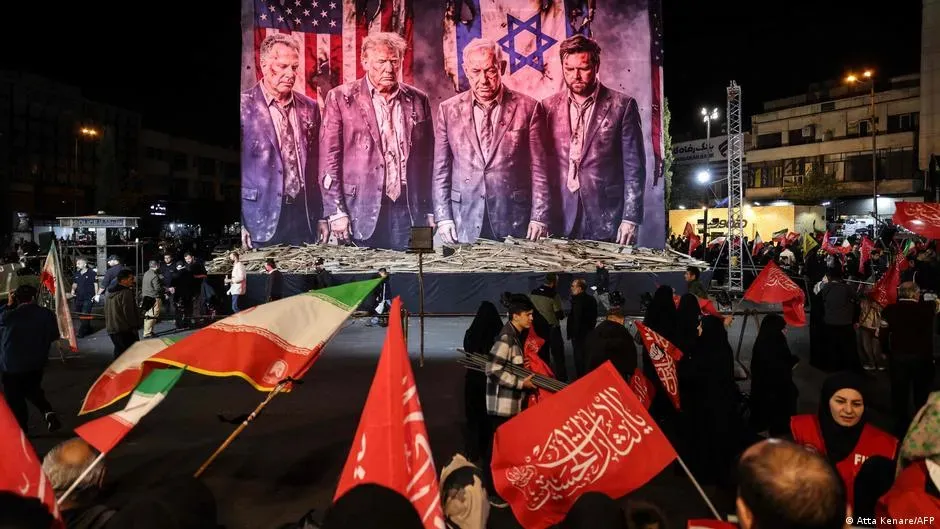
Fears of war have become a constant companion for people living in Iran, where military tensions with the US and Israel are ongoing. The anxiety is palpable, even among children who should...
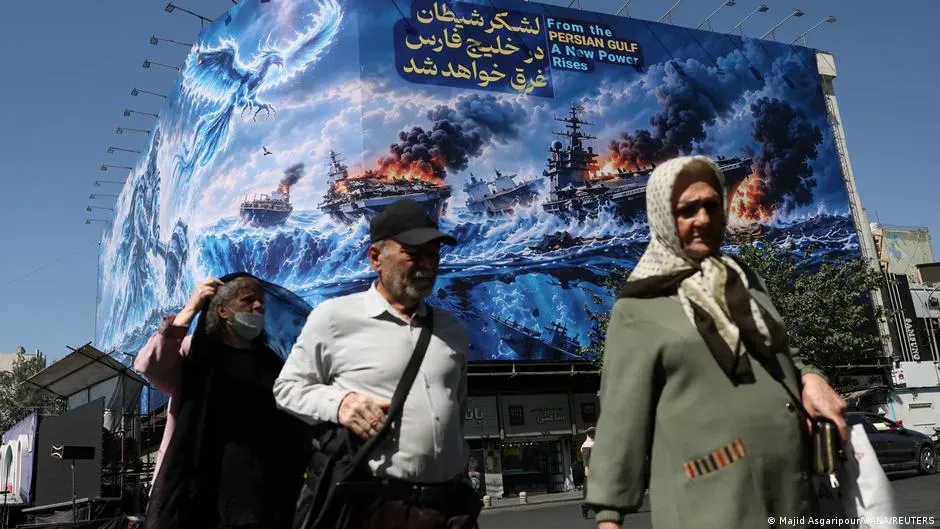
Fears of war have become a constant companion for people living in Iran, where military tensions with the US and Israel are ongoing. The anxiety is palpable, even among children who should be focused on their studies. A mother of two from Tehran described the situation as "a constant sense of fear that grips her whenever she hears a loud noise.
The sound of a slamming door or an explosion in the distance can trigger a flight response, causing her to jump with fear. However, with schools remaining open across Iran, parents are being forced to balance their concerns for their children's safety with the need to keep them engaged and educated. For some families, this means making difficult decisions about whether to send their kids to school.
Despite the risks, many private schools have taken proactive measures by sending messages to parents explaining what to do in case of an emergency or renewed conflict. These communications are being shared widely on social media platforms, highlighting the uncertainty and concern felt by many Iranian families. The Education Ministry has sought to reassure the public that schools will remain open as long as possible.
However, the decision to keep schools operating is ultimately made by the ministry in consultation with security authorities. According to a recent interview, spokesperson Ali Farhadi stated that parents should not pay attention to unfounded rumors spreading fear and forcing schools to close. The official emphasized that any changes to school operations would be based on a reassessment of the security situation.
The Education Ministry's efforts to maintain business as usual are aimed at minimizing disruptions to daily life and ensuring that children continue their education without undue interruptions. As tensions persist, parents remain vigilant, waiting for developments that could impact their families' safety and well-being.
Iranian state television has been broadcasting advisories on emergency preparedness, including measures in case of a nuclear attack.
On November 2, viewers were informed that if such an event occurred, they should remain in a shelter for at least 24 hours to ensure their safety.
The US is suspected by many Iranians of planning to target the Pickaxe Mountain" underground bunker, which is located approximately 220 kilometers south of Tehran and close to Iran's Natanz nuclear facility.
Iran's government has dismissed claims that any work related to its nuclear program is being carried out at Pickaxe Mountain, suggesting the site may be used for other purposes.
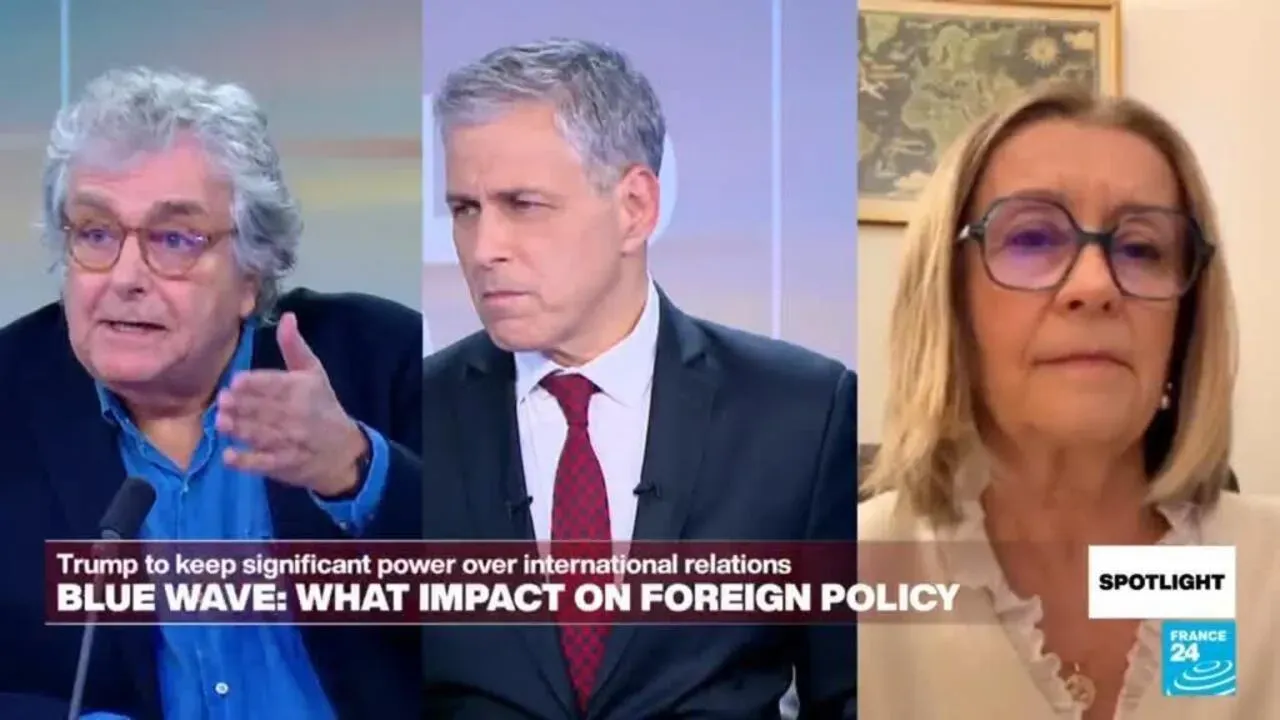
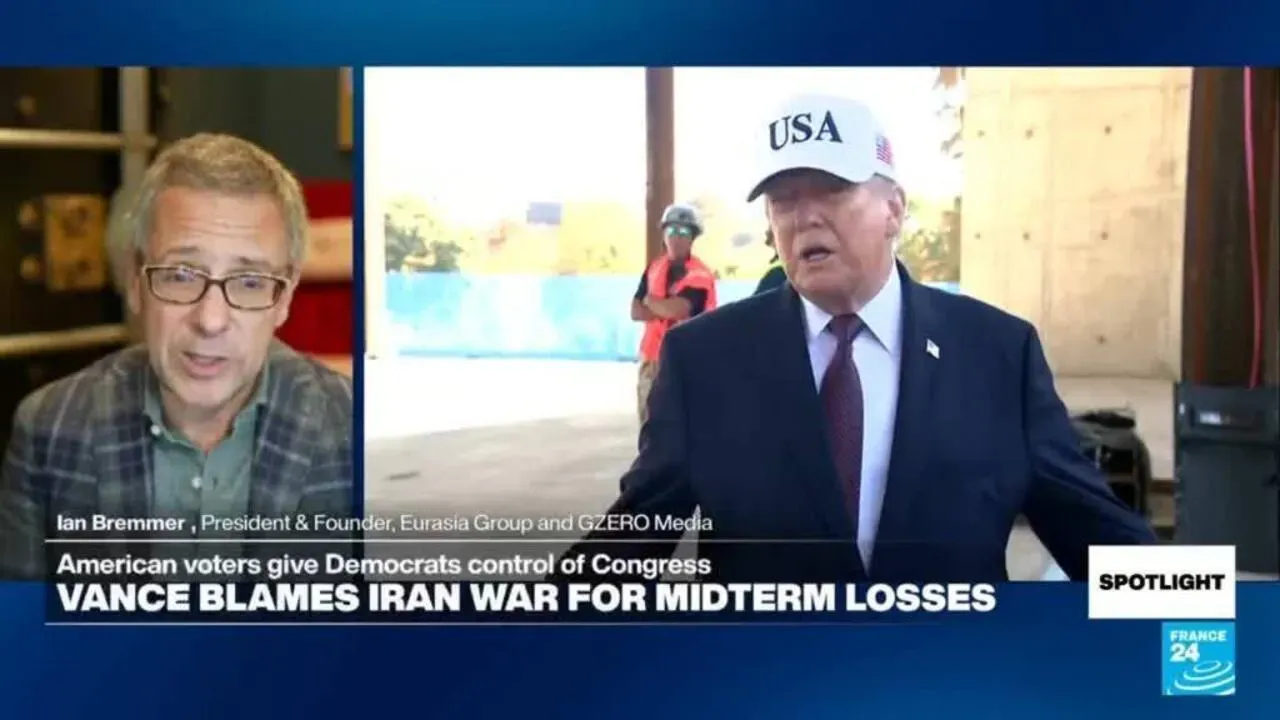
A Democrat-controlled Congress could potentially force US President Donald Trump to reassess his military plans for Iran, although this remains a topic of speculation.
The outcome of the US midterm elections has left Iran's government feeling triumphant, according to Hamidreza Azizi, a senior analyst at the International Crisis Group. The Iranian regime views the election results as a victory for its stance against the Trump administration.
This perceived success may embolden Tehran to take an even harder line on its core demands in the ongoing conflict with the US. As tensions between the two nations remain high, Iran is likely to press ahead with its own agenda, regardless of any potential shift in the US's policy towards it.
The US President has a short window of opportunity before the new Congress takes office, which could be as little as two months away, according to Azizi. During this time, Trump may decide to resume military strikes on Iran, aiming to offset domestic political losses by achieving a foreign policy victory.
Qatari mediators are working behind the scenes to persuade both the Iranian and US governments to agree on a draft peace deal. The goal of these efforts is to prevent further escalation and create an environment conducive to direct talks between the two nations in the near future.
The Iranian public remains largely uninformed about the details of negotiations between Iran and other countries. This lack of transparency is particularly concerning given the significant impact these talks have on everyday life for Iranians.
Many domestic journalists in Iran are also struggling to access information about the talks, which are closed to the public. As a result, they often rely on international media outlets for news and updates, rather than developing their own narratives or conducting original reporting.
The constant uncertainty and lack of information have taken a toll on many Iranians, with some no longer having the energy to keep up with the latest developments. A 72-year-old retired woman from western Iran has even stopped following the news altogether, citing her weariness with the situation.
In this environment of pervasive uncertainty, it is clear that the ongoing tensions and lack of transparency are causing significant emotional distress for many Iranians, leaving them feeling disconnected and powerless to influence their own country's future.
Facts based on reporting originally published by DW English.
You may republish this story, in full or in part, if you credit News Central Site and link to it (licence CC BY 4.0). Photos are not included.