US Midterm Elections: Trump Acknowledges Iran Conflict Role
President Donald Trump has acknowledged that the ongoing conflict with Iran may have played a role in voter decisions during the US midterm elections.
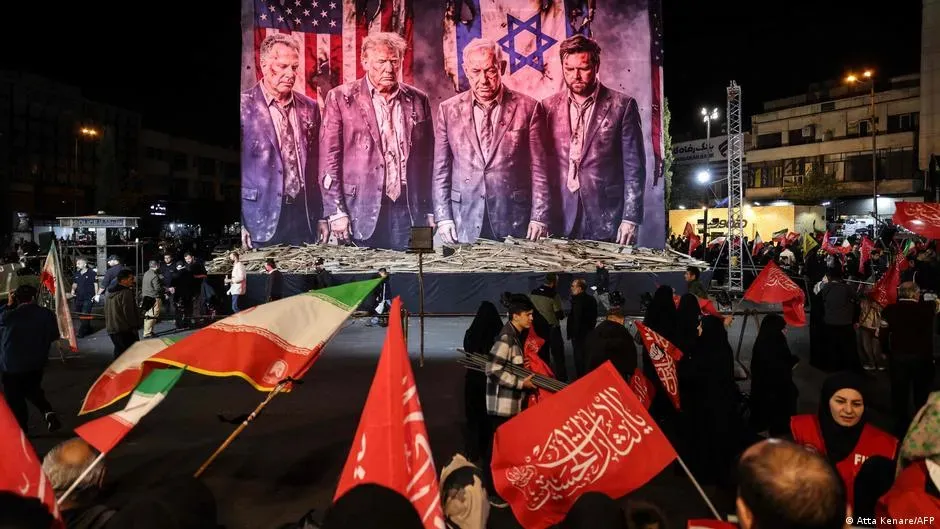
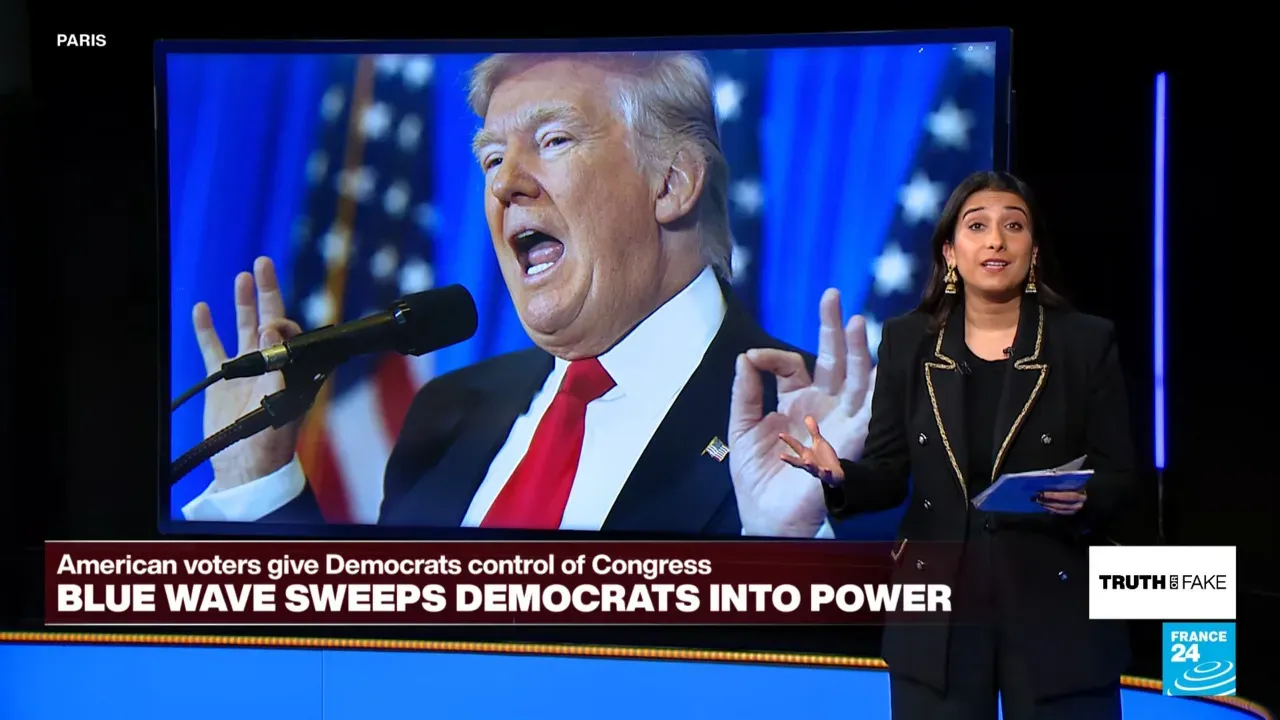
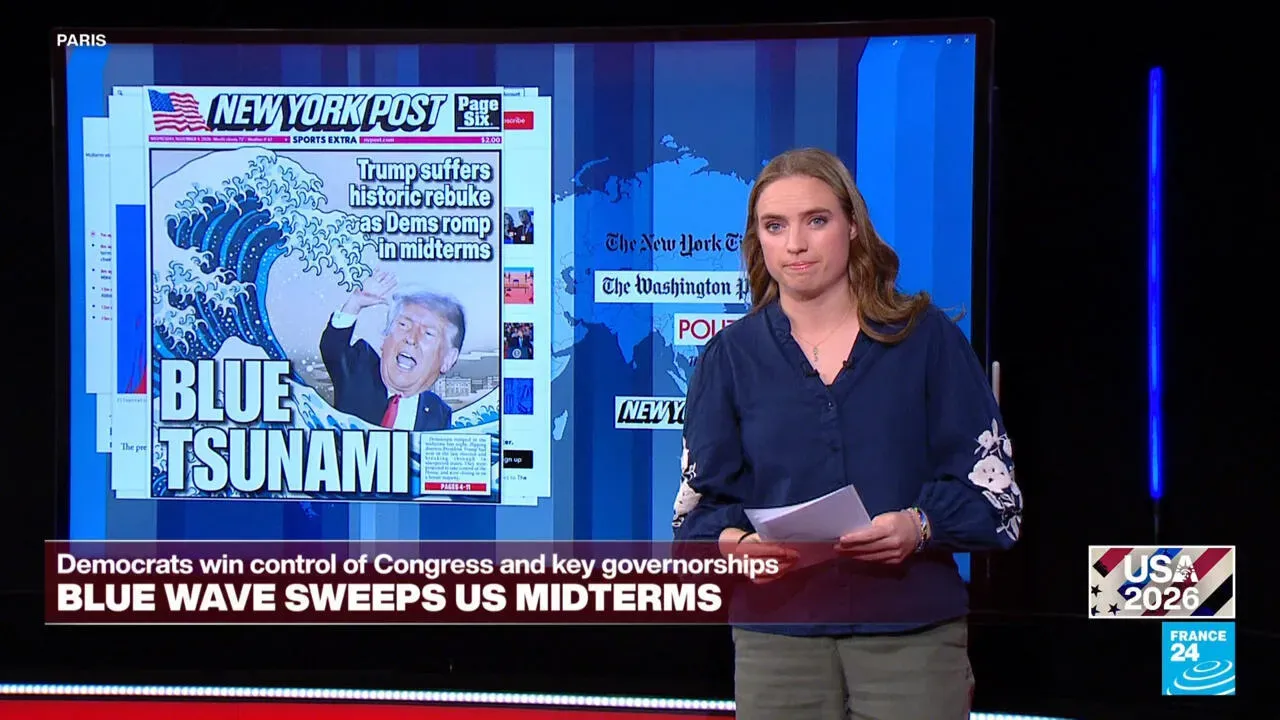
The US midterm elections have seen President Donald Trump's party suffer significant losses, prompting the President to acknowledge that the ongoing conflict with Iran may have played a role in the voter's decision.
Trump made this concession during an interview with Fox News, where he suggested that the war with Iran had become a contentious issue for American voters. Specifically, the President noted that high gas prices resulting from the conflict were a major concern for many citizens.
The timing of the US and Israel's potential military actions against Iran is also worth considering. With both countries holding elections in recent months, it appears they had been holding off on launching significant attacks until after the voting process was complete.
According to reports, the Trump administration warned Gulf state governments that a short but intense military campaign against Iran could be imminent. This warning came just before the midterms, suggesting that the President's party may have been preparing for potential action against the country.
As it stands, the new Democratic-controlled Congress could potentially hinder the President's ability to fund military expeditions against Iran. However, newly elected Democratic politicians will not take their seats until early next year, leaving Trump with a narrow window in which to act.
The legacy of Donald Trump's presidency is likely to play a significant role in his decision-making on foreign policy in the coming weeks and months.
With the mid-term elections now behind him, Trump may feel emboldened to take bold action on issues such as Iran, where he has previously threatened military intervention.
However, experts warn that Iran is not a country to be underestimated. The Iranians have made it clear that they are ready for any attack, and senior leaders' rhetoric suggests they may target a wider range of assets than before, including regional energy infrastructure and undersea telecommunications cabling or data centers.
According to Ross Harrison, a senior fellow at the Washington-based Middle East Institute, Iran's response could be even more severe if it perceives an existential threat to its leadership.
The Gulf states are caught in a precarious situation following the conflict between the US, Israel, and Iran. They have been the primary targets of Iranian attacks since the outbreak of hostilities.
Anwar Gargash, a foreign policy adviser to the UAE leadership, expressed concern at a recent security conference in Bahrain. He noted that the Gulf states had worked hard to prevent this crisis through diplomatic efforts but are now caught up in it. They are seeking a political exit strategy.
Qatar has been attempting to mediate between the US and Iran while also conducting emergency drills at its airport. The UAE is taking similar precautions, highlighting the vulnerability of these countries due to their defense partnerships with the US.
Saudi Arabia faces an additional threat from the Houthi militia in Yemen, making it a two-front war for the oil-rich state. Egypt has responded by strengthening air defenses around the Suez Canal.
The conflict has prompted Gulf states to reassess their defense partnerships with the US. Instead of providing security, US bases have become targets for Iranian attacks. This shift is evident in the region's growing disappointment with the US.
Hasan Alhasan, a senior fellow at the IISS, commented that the 2026 war may be remembered as the moment that undid America's role in the region. The Gulf states are now questioning whether the US can be relied upon to protect them.
The Gulf states are taking steps to reduce their dependence on US protection by forging new alliances and strengthening existing relationships.
For instance, the United Arab Emirates has been moving closer to Israel, while Saudi Arabia has joined a defense pact with Pakistan and Turkey in Mecca.
This shift towards strategic autonomy is expected to accelerate under a lame-duck Trump administration, according to Andreas Krieg, a senior lecturer at King's College London. He believes that the Gulf states are no longer relying solely on the US for security.
Despite the possibility of a more reliable partnership with a Democrat-led Congress, Krieg argues that the Gulf states should pressure the US not to attack Iran and then negotiate a non-aggression pact with Tehran without American involvement.
Ryan Crocker, a former US ambassador to the region, remains skeptical about the prospects of Gulf unity. He doubts that the Gulf states can put aside their differences in time to address pressing security concerns.
The shift in US policy towards Iran may have opened up new possibilities for cooperation between Gulf states and Tehran. As the Middle East Institute's expert noted, Gulf countries are likely to realize that relying solely on Washington for security is no longer a viable option.
Geography dictates that the Gulf states will need to establish some form of relationship with their regional neighbor, which has significant implications for their national security strategies. What this cooperation might look like remains uncertain, but experts warn that a renewed escalation of tensions could make it increasingly difficult to revive diplomatic efforts.
Facts based on reporting originally published by DW English.
You may republish this story, in full or in part, if you credit News Central Site and link to it (licence CC BY 4.0). Photos are not included.