Lithium Demand Surges Globally Amid Supply Chain Concerns
The US is increasingly reliant on China for lithium supplies as demand surges globally.
Global lithium demand has surged by over 400% in just a decade, reaching an astonishing 1.5 million metric tons per year. This exponential growth is expected to continue, with estimates suggesting that demand could approach 4 million tons by 2035.
The rapid expansion of the electric vehicle market, utility-scale energy storage, and data centers are driving this lithium-ion battery demand. However, the US has become increasingly reliant on China for its lithium supplies, with the country producing less than 1% of global lithium output. Most of the world's lithium is refined in China, a trend that threatens to leave America vulnerable to supply chain disruptions.
A potential game-changer lies in the Smackover Formation, a geological anomaly located in southern Arkansas and East Texas. Discovered over a century ago for its crude oil reserves, the area is now being touted as a major lithium hotspot due to its unusually high concentrations of the mineral.
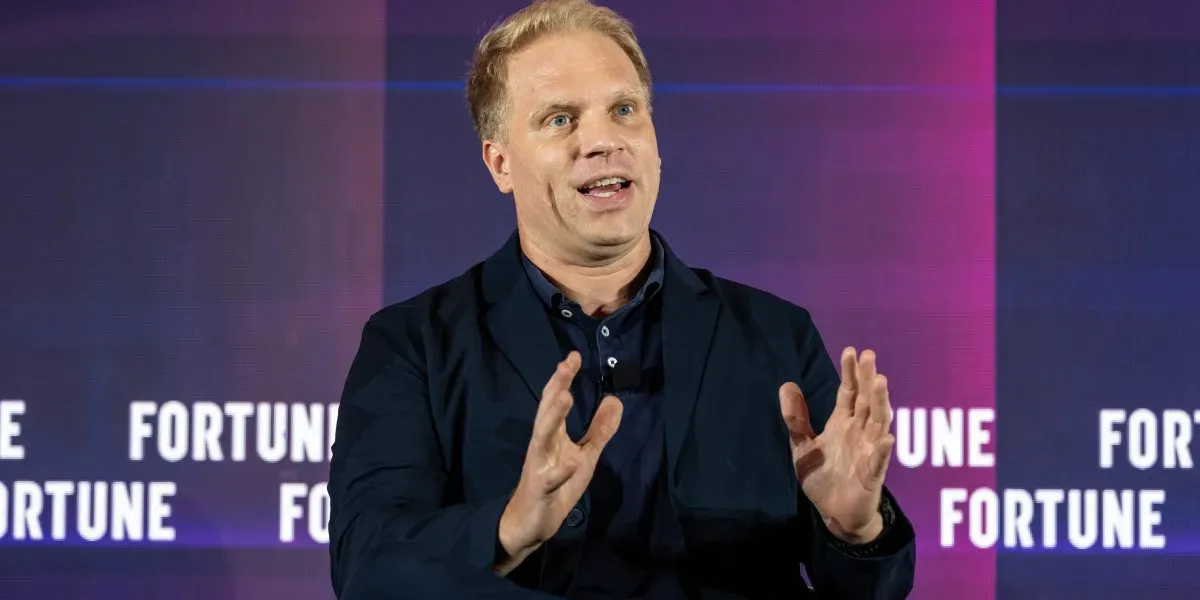
Industry insiders are hailing the Smackover as a "geologic freak with significant potential for lithium production. Standard Lithium CEO David Park notes that the company's lands alone could yield over 150,000 tons per year of lithium.
Standard Lithium is at the forefront of developments in the region, with plans to authorize its South West Arkansas Project (SWA) later this year. The project aims to start construction on a 22,500-ton phase in early 2027, marking a major step towards establishing the US as a significant lithium player.
Meanwhile, EnergyX, an Austin-based company led by Teague Egan, is also vying for a stake in the Smackover's lithium riches. With its Project Lonestar commercial facility set to break ground by the end of 2027, EnergyX could soon be competing with Standard Lithium for dominance in the region.
The Smackover formation has become an attractive location for major oil companies seeking to tap into its lithium reserves.
ExxonMobil, one of the largest energy corporations globally, has already established itself in the area by acquiring over 400,000 net acres, making it the largest holder in the region. The company plans to break ground on a pilot project next year, signaling its commitment to extracting lithium from this site.
Chevron, another major oil player, has also made significant investments in the Smackover formation, announcing last year that it had acquired 125,000 acres of land in the area.
The lack of traditional resources such as open-pit, hard-rock deposits or economically viable evaporation ponds in the US has created a dependence on imports from countries like China. However, the Smackover's unique geology makes it an ideal location for newer direct lithium extraction (DLE) technology.
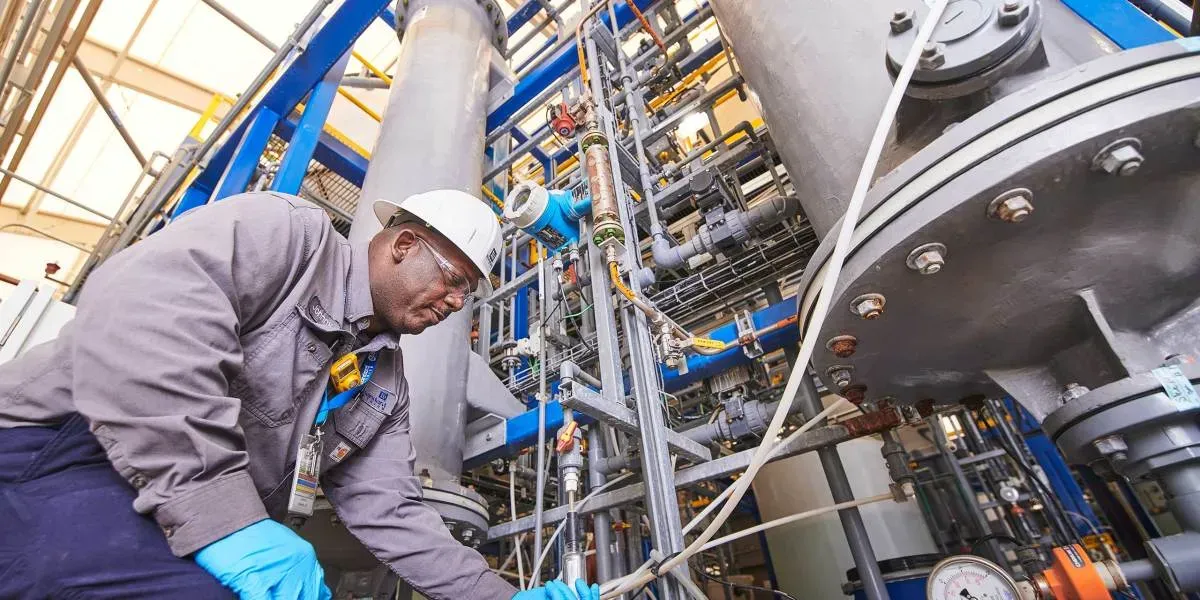
This method involves drilling wells to extract brine water, which is then processed and refined to produce lithium. The process allows for over 90% of the extracted brine to be returned underground, minimizing seismicity concerns and eliminating the need for hydraulic fracturing.
While some experts remain skeptical about the commercial viability of DLE technology, others see it as a necessary solution given the limitations of traditional extraction methods in the US. EnergyX's Egan noted that DLE requires significantly less land than traditional methods, with a footprint one-hundredth that size.
The analyst at BMO Capital Markets acknowledges that DLE remains unproven at commercial scale and faces challenges in competing with Chinese price manipulation. However, he believes it is the only viable option for extracting lithium from certain geologies.
The Smackover formation in Arkansas holds vast potential for extracting lithium, a crucial component in electric vehicles and renewable energy systems. While its economic viability has yet to be proven, experts believe it's essential to consider long-term prospects when evaluating such projects.
Even during lean years, the demand for lithium continues to grow at an impressive rate of nearly 20% annually. This trend is driven by emerging technologies that require the metal, including electric vehicles and utility-scale battery storage systems.
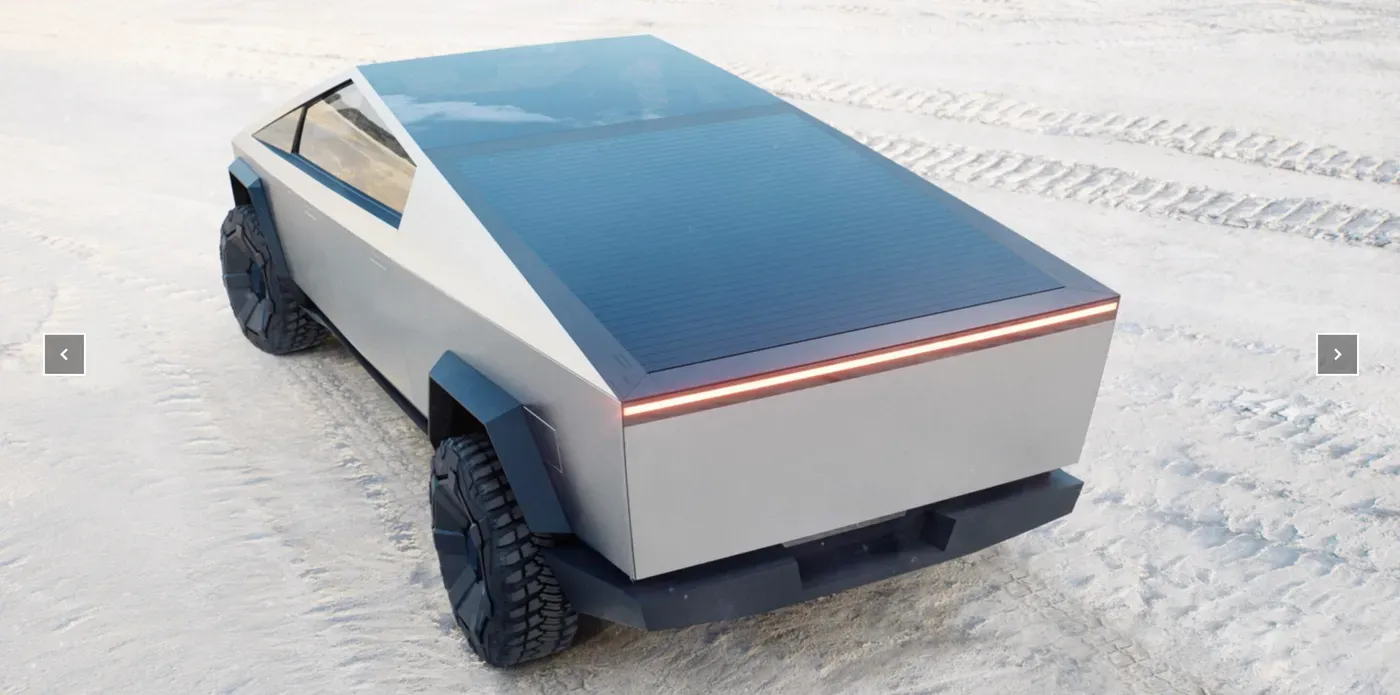
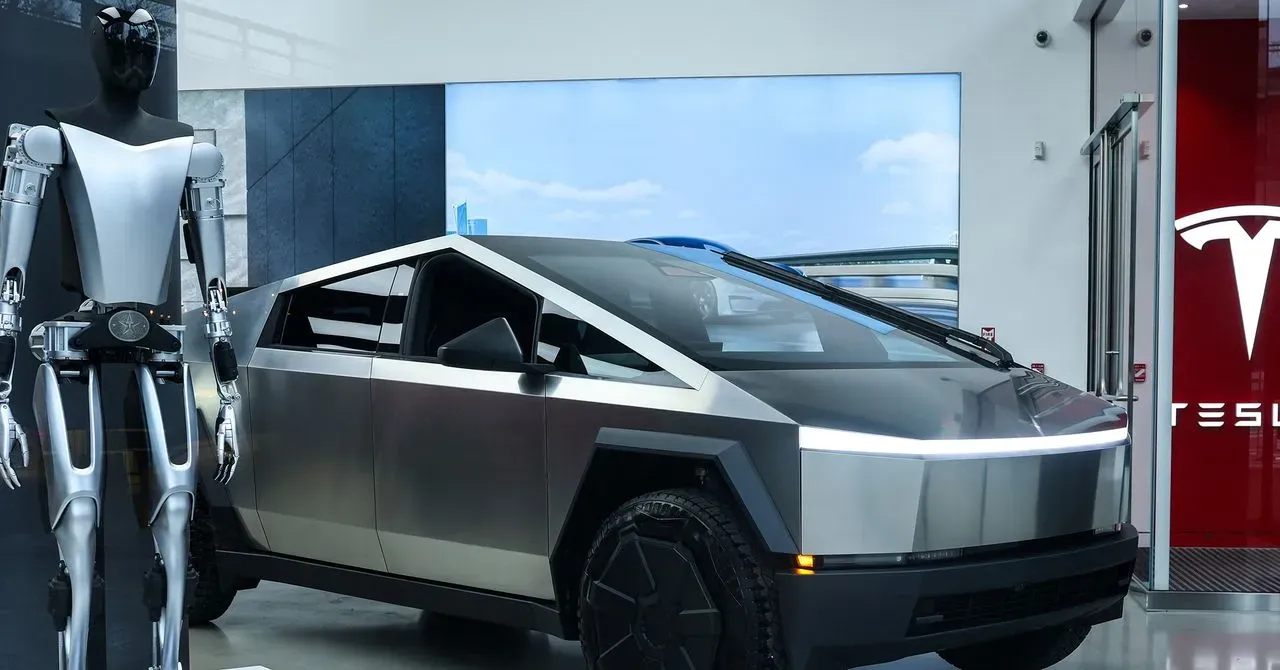
As cities like Austin become testing grounds for autonomous transportation, the need for reliable energy sources and efficient battery technology becomes increasingly apparent. The nascent self-driving vehicle industry is being built on top of electric vehicles, with companies like Tesla, Waymo, and Zoox investing heavily in robotaxis.
Utility-scale battery storage has emerged as a significant growth area in the US, and lithium batteries are at the forefront of this trend due to their robust infrastructure and scalability. As experts emphasize, lithium batteries will be essential for robotics, grid storage, energy resiliency, data center backup, and redundancy.
Lithium itself is not rare; its challenge lies in extracting nearly invisible ions from brine or locked rock ore. The metal's unique properties make it an ideal component for various applications, but its extraction process remains a significant hurdle.
The Smackover projects' decision to build refining facilities on-site eliminates the need for lithium to be transported to China for processing. This development has significant implications for US battery manufacturing, which is experiencing a surge in growth and investment.
The Smackover formation in Arkansas has emerged as a significant player in the US lithium market, offering a potential alternative to Chinese imports. Standard Lithium's SWA Project is at the forefront of this development, having secured major offtake agreements with global commodity trader Trafigura and battery manufacturer LG Energy Solution.
These partnerships are crucial for the project's success, providing a stable customer base and helping to mitigate the risk of price dumping by competitors. In fact, Standard Lithium has already overcome one of the biggest hurdles in lithium production: securing financing and customer contracts.
The Biden administration's support for the SWA Project has been instrumental in its progress, with the Department of Energy awarding a $225 million grant to help bring the project online. This funding was not limited to the current administration, however, as the Trump administration also fast-tracked project permitting.
Standard Lithium is not the only company exploring lithium production in the US. Norway's Equinor has partnered with the company on the SWA Project, taking a 45% stake in the venture. This partnership brings significant expertise and resources to the table, helping to de-risk the project.
In addition to its Arkansas operations, Standard Lithium is also advancing two new projects in East Texas. The Franklin Project aims to produce up to 70,000 tons of lithium per year, while a further two facilities are planned for the region. These projects will benefit from higher lithium concentrations than those found in Arkansas.
As the US lithium market continues to grow, so too does the interest in domestic production. EnergyX has recently signed a 10-year offtake deal with Trafigura for its Project Lonestar and Project Black Giant, highlighting the potential for US-based lithium producers to supply global demand.
The recent 10-year offtake deal signed by EnergyX with Trafigura for Project Lonestar and Project Black Giant has highlighted the potential for US-based lithium producers to meet global demand.
This significant agreement covers a substantial 100,000 tons of lithium and is valued at nearly $2 billion over its lifetime. It's being hailed as the largest direct lithium extraction (DLE) offtake deal in history, with Trafigura set to take 30% of Lonestar's output.
The deal is expected to have a ripple effect on the industry, with more companies likely to follow suit and secure their own supply chains. According to EnergyX CEO Egan, this will lead to further dominoes falling in the coming months, creating new opportunities for growth and expansion.
EnergyX plans to expand its Project Lonestar from 15,000 tons to a significant 50,000 tons by 2031, further cementing its position as a major player in the US lithium market. This ambitious goal is part of the company's broader strategy to become a leading producer of lithium in the country.
The Smackover deposit, where EnergyX operates, has been described as a geologic freak" due to its unique geological characteristics. Few places have similar geology, making it an attractive location for lithium production. Analysts believe that the Smackover has more potential than other deposits, including the Thacker Pass mine in Nevada.
The involvement of major oil companies such as Exxon and Chevron is also significant. Exxon's 120,000-acre position in southern Arkansas has had a profound impact on the industry, pushing companies to adopt direct lithium extraction (DLE) methods.
The Smackover formation in southern Arkansas holds significant promise as a domestic source of lithium, potentially alleviating America's reliance on Chinese imports. ExxonMobil's extensive presence in this area is crucial to unlocking its potential.
Despite slower electric vehicle sales in the US, global demand for EVs continues to surge, driven by manufacturers such as BYD. In fact, record-high fuel prices resulting from the Iran war have contributed to a recovery in US EV sales. This growth in demand raises questions about whether domestic supply can keep pace.
The Trump administration's efforts to support the SWA project are being credited with its progress, although some argue that more could be done to prioritize lithium production. The industry is now awaiting further catalysts or incentives to drive innovation and expansion.
With Standard Lithium poised to commence construction on the first major Smackover project, the US is on the cusp of a significant shift in its lithium production landscape. This development holds promise for reducing America's dependence on imported lithium from China.
Facts based on reporting originally published by Fortune.
You may republish this story, in full or in part, if you credit News Central Site and link to it (licence CC BY 4.0). Photos are not included.