Marissa Mayer Warns Against Premature Predictions on AI Future
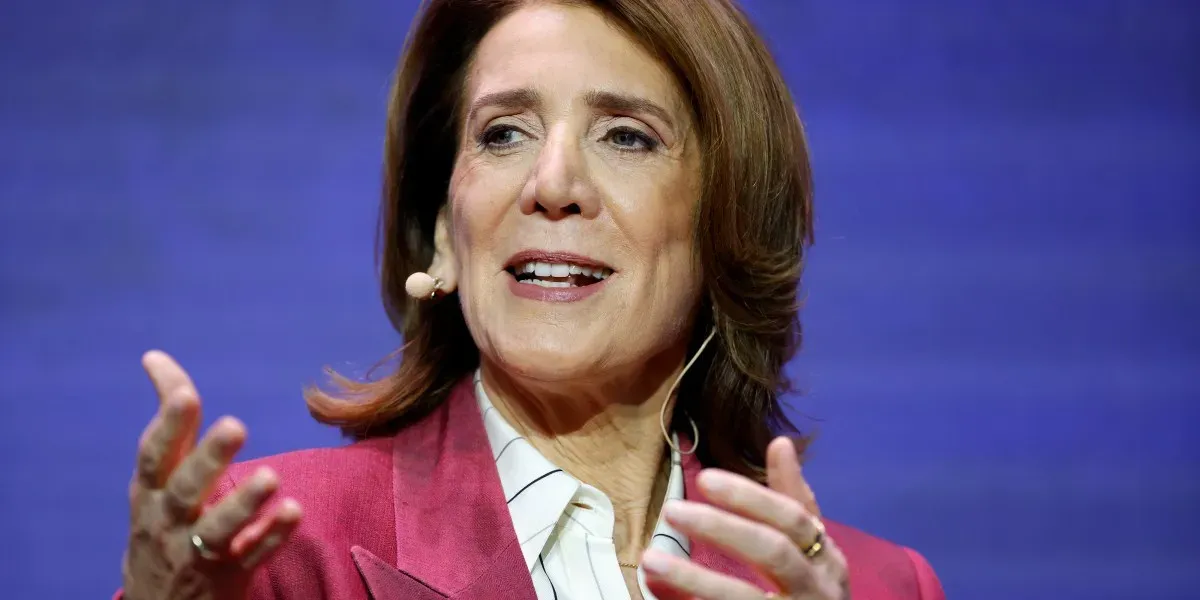
Marissa Mayer cautioned against premature predictions about Artificial Intelligence's future at the Most Powerful Women Summit in California.
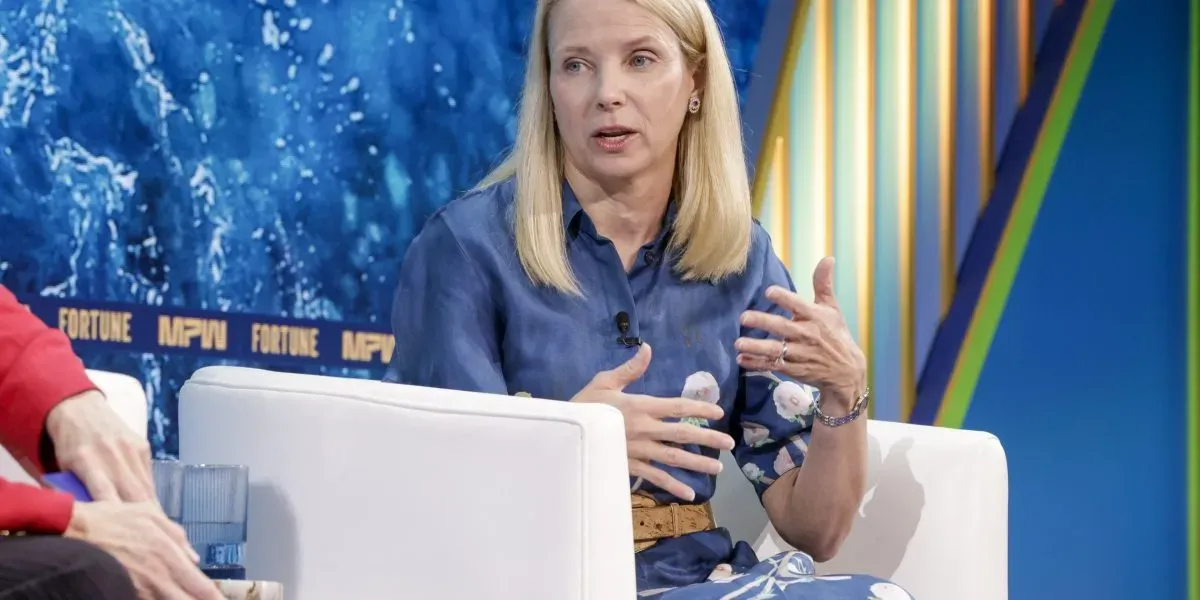
Marissa Mayer, a veteran of Silicon Valley's tech landscape since Google's early days, is cautioning against premature predictions about the future of Artificial Intelligence (AI). In a candid assessment at the Most Powerful Women Summit in California, she stated that only those who are "either lying or arrogant can claim to know the outcome of AI developments.
The uncertainty surrounding AI's trajectory is multifaceted, according to Mayer. When asked about the debate among experts over AI's potential impact, she acknowledged that there are valid concerns on both sides. This ambivalence reflects the complexity and unpredictability of emerging technologies like AI.
Mayer also highlighted the possibility of a negative outcome, but estimated it as well less than 50%. She noted that even some who predict dire consequences would agree with her assessment. Instead, she emphasized the potential benefits of AI breakthroughs in medicine and science, which could lead to significant improvements in people's lives.
While the debate over AI continues, Mayer expressed a cautiously optimistic view. Despite concerns about its impact, she believes the odds favor a positive outcome.
Marissa Mayer believes that discussions about regulating AI and collaborations across various labs are essential as the technology advances. She welcomes these conversations, acknowledging that public sentiment in the US has turned against AI, and the industry bears some responsibility for this shift.
The early adoption of AI was perhaps too casual, leaving people to wonder what its widespread use will mean for jobs, families, and children's futures. This lack of caution has led to concerns about the potential impact on these areas. Mayer emphasizes that she personally thinks AI can make all three better.
As a veteran in the tech industry, Mayer reflects on her own experiences as one of Google's early engineers and its most prominent executives before becoming Yahoo's CEO in 2012. Her tenure at the helm drew intense scrutiny, including her decision to take a short maternity leave.
At the time, people failed to consider the context behind her decision, Mayer notes. She points out that Yahoo couldn't afford to have a CEO absent for several months, highlighting the challenges faced by companies during that period.
After leaving Yahoo following its sale to Verizon in 2017, Marissa Mayer went on to establish Sunshine, a startup focused on contact and photo-sharing services.
The venture eventually ceased operations and sold its assets to Dazzle AI in 2025. Interestingly, the same year saw Dazzle launch with an $8 million seed round, valued at $35 million. This marked a significant beginning for the new company, which officially announced its launch on September 29 this year.
Dazzle's core function revolves around learning from users' phone photos to provide personalized assistance. Mayer explains that her team at Sunshine discovered that approximately 60% of images stored on devices are worth sharing, leaving about 40% as reminders and other miscellaneous items.
These reminders, such as appointment cards or photos of children's sports equipment, are what Dazzle aims to act upon by pairing context with human and AI agents. This results in a dynamic to-do list that Mayer describes as self-executing," eliminating the need for manual intervention.
The use of artificial intelligence in personal assistants has been a growing trend, and Dazzle is no exception. Mayer suggests that if she were tasked with managing someone's daily life for a week, she would request access to their camera roll to streamline tasks such as booking travel or buying gifts.
Dazzle allows users to grant varying levels of access to their photos, including full, partial, or no access at all. Sensitive images are automatically discarded, ensuring user privacy is maintained. Currently, the platform is invite-only and will eventually introduce subscription fees, transaction fees, or both, although a free tier will be available.
Mayer notes that early adopters of Dazzle have been men, but she hopes to see more women take an interest in building AI-powered tools, as well as contributing to their development.
Facts based on reporting originally published by Fortune.
You may republish this story, in full or in part, if you credit News Central Site and link to it (licence CC BY 4.0). Photos are not included.