Major Breakthrough in Cancer Treatment as Vaccine Reduces Melanoma Recurrence by 42%
A first-of-its-kind vaccine developed by Moderna and Merck has been shown to significantly reduce the chances of melanoma patients' tumors returning after surgery.
A major breakthrough in cancer treatment has been reported by researchers who have developed a first-of-its-kind vaccine that significantly reduces the chances of melanoma patients' tumors returning after surgery.
The groundbreaking study, conducted by Moderna and Merck, found that adding this custom-brewed vaccine to standard post-surgery treatment reduced the risk of melanoma recurrence by 42% two years after surgery. This is a significant improvement in cancer treatment outcomes for patients with this aggressive form of skin cancer. The vaccine was created using advanced mRNA technology, which has been used successfully in COVID-19 vaccines.
The experimental vaccine, known as intismeran, was tailored to match the unique characteristics of each patient's tumor. This personalized approach is a promising new strategy in the fight against cancer. Experts not involved with the study have hailed its success as a significant breakthrough in the field.
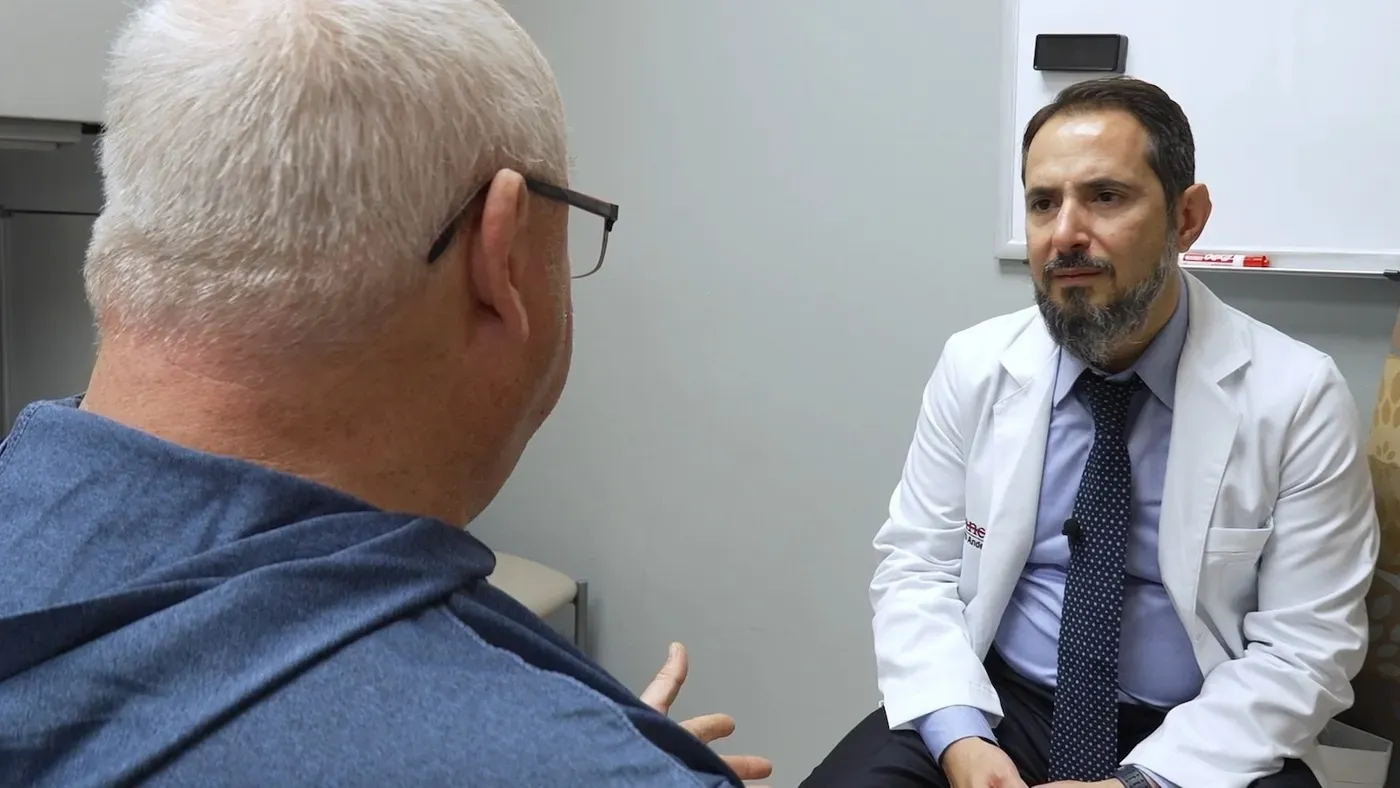
"This is a big one, said Dr. Hussein Tawbi of MD Anderson Cancer Center, who was part of the international research team. The results of this study are also being seen as a major boost for the development of mRNA-based cancer vaccines, which are being tested against other types of cancer including lung, kidney and pancreatic cancers.
The development of personalized vaccines has taken a significant leap forward with the successful trial of intismeran, an mRNA-based cancer vaccine developed by Moderna and Merck. This innovative approach involves creating a custom-made vaccine for each patient based on the unique genetic mutations present in their tumor.
Unlike traditional vaccines that prevent infections, intismeran is designed to combat cancer recurrence after surgery. The process begins with identifying gene mutations specific to each patient's tumor, which are then used to create proteins that shouldn't be present in the body unless cancer cells start growing again. This information is used to develop a personalized vaccine that teaches the patient's immune system to recognize and attack these neoantigens".
The intismeran study involved administering nine doses of the custom-made vaccine over three weeks, with each dose given at three-week intervals. This approach allows the patient's immune system to learn how to identify and target the specific proteins associated with cancer recurrence.
This breakthrough has significant implications for the treatment of various cancers, including melanoma, lung, kidney, and pancreatic cancer. The successful trial of intismeran is expected to pave the way for further research into mRNA-based cancer vaccines, which could potentially be used to prevent cancer recurrence in patients who have undergone surgery.
The trial involved over 1,100 patients who had undergone surgery to remove high-risk melanoma. These individuals were randomly assigned to receive either a custom-brewed mRNA-based cancer vaccine or a placebo in addition to the standard follow-up therapy, Merck's immunotherapy Keytruda.
Two years after treatment, it was found that 82% of those who received the vaccine remained free from cancer recurrence compared to 70% of those who only received Keytruda. This disparity suggests that the vaccine may be effective in preventing melanoma from returning in patients with high-risk disease.
Tony Hout, a participant in the trial, had been diagnosed with melanoma after seeking medical attention for an intermittently bleeding spot on his ear. His cancer had already begun to spread when it was discovered during surgery. Despite this, he remains cancer-free following treatment and continues to undergo regular check-ups at MD Anderson.
The vaccine's side effects were generally mild, with most patients experiencing only sore arms, fatigue, or other typical reactions similar to those experienced by individuals who receive mRNA-based COVID-19 vaccinations. Moderna and Merck are now in discussions with regulatory authorities regarding the next steps for seeking approval of the vaccine.
As the next steps unfold in the approval process for the mRNA cancer vaccine, concerns about its price tag remain a pressing issue.
The development of customized medicines often comes at a steep cost, but the pharmaceutical companies involved have not disclosed what this particular vaccine might set patients back by.
However, behind-the-scenes efforts are underway to bring the vaccine to thousands of participants in various international studies. Moderna's manufacturing facility in Massachusetts is working around the clock to provide doses for these trials.
Meanwhile, melanoma patients already enrolled in these studies are continuing their standard treatment with Keytruda, a distinct type of immunotherapy, while awaiting the results of this novel approach.
The release of the full study results has had an impact on Moderna's stock performance, with shares plummeting by 18% on Thursday. Despite this decline, they remain significantly higher than in late August when investors first learned about the promising initial findings.
Facts based on reporting originally published by ABC News Health.
You may republish this story, in full or in part, if you credit News Central Site and link to it (licence CC BY 4.0). Photos are not included.