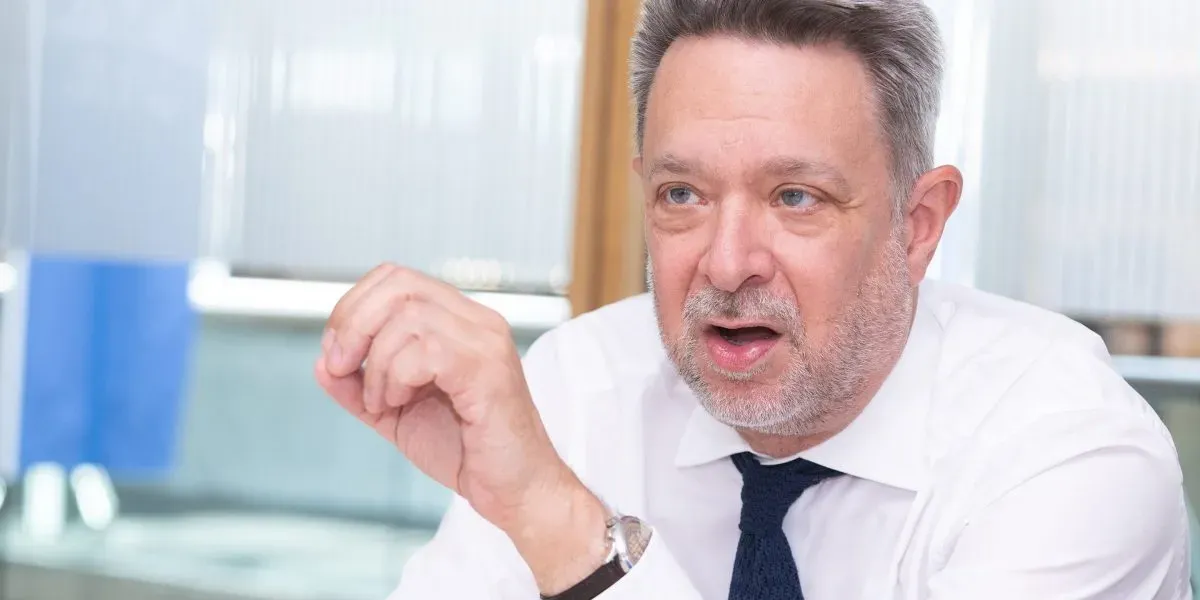
József Váradi's Life Story Highlights Resilience and Adaptability
Váradi's life story is a testament to his resilience and adaptability, shaped by his father's experiences in Hungary under Soviet rule.
József Váradi's life story is a testament to his resilience and adaptability. Born in Hungary under Soviet rule, he was raised by parents who still felt the effects of his father's involvement in the 1956 revolution. His father had been jailed and later struggled to find steady work, forcing Váradi's mother to take factory shifts to keep their family afloat.
Growing up with this experience instilled in Váradi a "healthy skepticism about taking things for granted." He has said that his father's story taught him how quickly circumstances can change and the importance of being adaptable. This mindset has guided him throughout his life and career, shaping his approach to challenges and opportunities.
Váradi's early focus was on education, which he pursued with determination. At 18, he moved to Budapest and won a scholarship to Corvinus University, where he earned an economics degree in 1989. After graduating, he worked briefly at a chemical plant and a paint factory before joining Procter & Gamble.
At P&G, Váradi quickly rose through the ranks, becoming sales director for global customers across Europe after a decade with the company. His commercial acumen and leadership skills were evident in this role, but he would soon take on an even greater challenge. In 2001, he joined Malév Hungarian Airlines as a manager, setting the stage for his next major career move.
Váradi's tenure at Malév was short-lived, lasting only five months before the airline's board refused to extend its CEO's contract and handed Váradi the job instead. However, this decision proved to be a blessing in disguise when a change in government forced him out of the company in 2003.
Despite being let go from his position, Váradi chose not to dwell on what he had lost but rather focus on creating something new. He has said that this experience was "the catalyst for building Wizz Air," and looking back, it's clear that it marked a turning point in his career.
Just months after leaving Malév, Váradi founded Wizz Air, betting that Hungary's impending entry into the EU would create a surge in demand for affordable flights. His gamble paid off as the airline quickly gained popularity among short-haul travelers.
Today, Wizz Air is the leading short-haul carrier in Central and Eastern Europe, operating 265 aircraft to nearly 200 airports across 50 countries. The airline has carried over 550 million passengers to date and continues to expand its operations, including a recent entry into Spain's vibrant aviation market.
Váradi's travel schedule is a testament to his dedication to Wizz Air's global expansion. In the past year alone, he has flown to nearly every continent on the planet for both business and pleasure, spending more than 800 hours in the air.
This level of commitment is not limited to his work life. Váradi also prioritizes his physical health, often waking up before 9 a.m. to fit in a 30-minute treadmill run.
Living just 15 minutes from Wizz Air's headquarters allows Váradi to maintain a tight schedule. He typically has lunch in the company canteen most days, further illustrating his dedication to the airline and its employees.
Váradi's reluctance to slow down is evident in his career trajectory. Despite having earned the right to retire, he shows no signs of wanting to step back from the high-pressure world of aviation leadership.
As part of our ongoing series examining the lives of top executives outside of work, we asked Váradi about his financial decisions and investments. He credits investing in education as one of his most successful moves.
Váradi's emphasis on education stems from his own experiences. He believes that acquiring new knowledge is essential for adapting to changing markets and industries. This conviction led him to establish the Varadi Scholarship at University College London, providing opportunities for others to learn and grow.
In contrast, Váradi acknowledges a less successful investment in winemaking through the Juliet Victor Winery. While he enjoys wine, he has learned that producing it is not equivalent to making money from it.
Váradi's personal financial habits are relatively simple. He carries minimal cash and few credit cards or loyalty schemes, preferring to avoid complexity in his daily life.
He is known to be a thrifty individual when it comes to tipping, preferring not to indulge in what he considers an automatic gratuity common in some countries today.
Tipping is one area where his spending habits remain conservative, shaped by his upbringing and cultural background.
His most significant ongoing expense is hotel rates, which can be staggering even for a single night's stay. He travels frequently for work, and these expenses add up quickly.
He typically books hotels through a broker to get the best deals, rather than trying to negotiate directly with the establishments.
When it comes to managing his finances, he has always focused on building businesses rather than investing in personal wealth. His advice to those just starting out is to take the time to understand what they are investing in and think long term.
He believes that people often spend too much time researching their next holiday, but not enough time thinking about where they put their savings. This lack of financial literacy can lead to poor investment decisions.
If he were to give advice to his 20-year-old self, he would encourage him to save before spending and avoid unnecessary debt. He would also stress the importance of investing in learning and skills that will last a lifetime.
He values proximity and has chosen to live in a condominium in the city, just 15 minutes from the office. This allows him to make the most of his time and minimize commuting time.
His family is a top priority, and he has always tried to strike a balance between work and personal life. As an airline executive, there have been sacrifices along the way, but he believes that the time spent with his loved ones is priceless.
The daily routine of a senior executive is often scrutinized for its predictability and efficiency. For Wizz Air's CEO, his morning begins at 7:30 a.m. with a thirty-minute run on the treadmill to clear his head and organize his thoughts before the workday starts.
This discipline is essential in maintaining a busy schedule that includes extensive travel hours. The CEO acknowledges it's not easy to stick to a routine under these circumstances, but he manages to stay committed.
His morning coffee habit is surprisingly minimal. He occasionally has a cappuccino in social settings, but caffeine isn't what motivates him in the morning. His energy levels are sustained by other means.
When at the office, the CEO prefers hot lunches and eats in the company canteen. His tastes are simple and unadventurous; good food that's reasonably priced is his main priority. He doesn't spend a lot of time searching for new culinary trends.
Grocery shopping is also not one of his strong suits. This aspect of household management falls under his wife's domain, where she has stronger opinions than he does.
Dining out versus cooking at home is a common question in many households. The CEO and his family eat out once or twice a week, often at high-quality restaurants. He favors lobster or a good steak when given the choice.
When it comes to cooking, the CEO admits that he's not much of a chef. If he's home after work, he usually eats whatever is available in the fridge. This lack of culinary expertise is a testament to his busy schedule and other priorities.
The CEO's personal time outside of work hours is dedicated to spending quality time with his family, particularly his youngest daughter. He also makes it a point to stay informed about current events and developments around the world, given his role as an airline executive.
In addition to his professional responsibilities, the CEO enjoys running, golf, and skiing. He appreciates how sports provide immediate feedback on one's performance, which he finds refreshing compared to the complexity of leadership roles.
As a leader of a major international airline, it's essential to prioritize self-care and make time for personal activities amidst the demands of the job.
The concept of work-life balance is often misunderstood, with many people viewing it as a separate entity from their overall well-being. However, this CEO believes that work should be an integral part of life, rather than something to be compartmentalized.
Achieving a balance in life requires being comfortable with the trade-offs made and prioritizing what truly matters. For him, this means not counting hours worked but ensuring time for important personal activities.
A key aspect of maintaining balance is being mindful of one's priorities and remaining conscious of them at all times. When individuals enjoy their work and are aware of their priorities, a natural equilibrium tends to emerge.
In an era where subscription services have become increasingly popular, this CEO has managed to avoid becoming overly attached to any particular recurring payment. He believes most subscriptions are nice to have rather than essential.
As for tech gadgets, he doesn't own many, but does use an iPad for work purposes. The device is a practical tool that helps him stay connected and productive on the go.
When celebrating significant achievements, this CEO prefers to share the experience with his team members who contributed to the success. He believes milestones are more enjoyable when shared with those who helped make them happen.
Owning high-end items like an Aston Martin can be seen as a status symbol, but for him, it's more about the idea of owning such a vehicle than actually using it. The irony is that he hasn't had much time to drive the car due to his busy schedule.
As someone responsible for running a large international airline, taking annual leave and disconnecting from work can be challenging. However, he has learned to set boundaries and prioritize what deserves attention.
As CEO of Wizz Air, I'm constantly on the move, clocking in around 800 hours a year on flights, which is equivalent to more than a month of non-stop travel.
To make the most of my time off, I have a holiday home where my family and I can unwind and recharge. However, I must admit that I spend a significant amount on travel and holidays because I believe experiences last longer than material possessions.
One of my favorite traditions is organizing boys-only trips with my three sons. As they've grown older and pursued their own paths, these trips have become an opportunity for us to reconnect and create lasting memories together.
These excursions also provide a chance to spend quality time with each other without distractions, allowing us to share new experiences and stories that we can revisit for years to come. Our next destination is likely Malaysia.
Ultimately, the reward for building Wizz Air hasn't been about accumulating wealth or material possessions but having the freedom to choose how I spend my days, whether it's with family, pursuing hobbies, or simply enjoying life on my own terms.
Facts based on reporting originally published by Fortune.
You may republish this story, in full or in part, if you credit News Central Site and link to it (licence CC BY 4.0). Photos are not included.