Penicillin production a concern for Europe as reliance on China grows
The European market has become heavily reliant on imports from China, with 86% of EU imports of penicillins and their derivatives coming from the country last year.
The discovery of penicillin by Alexander Fleming 100 years ago revolutionized the treatment of infections and significantly increased human life expectancy. Prior to this breakthrough, nearly half of all deaths were caused by infections, but thanks to modern antibiotics, millions of lives are saved every year.
Sandoz, a Swiss pharmaceuticals company, is one of the few remaining manufacturers of vital medicines in Europe, including penicillin. The company's €150 million factory in Kundl, Austria, is the continent's only fully integrated antibiotic manufacturing facility, capable of producing active ingredients and turning them into medication for patients.
The European market has become heavily reliant on imports from China, with 86% of EU imports of penicillins and their derivatives coming from the country last year. This represents a significant increase from 44% in 2019, according to Eurostat data. As a result, China is now the largest exporter of antibiotic ingredients worldwide.
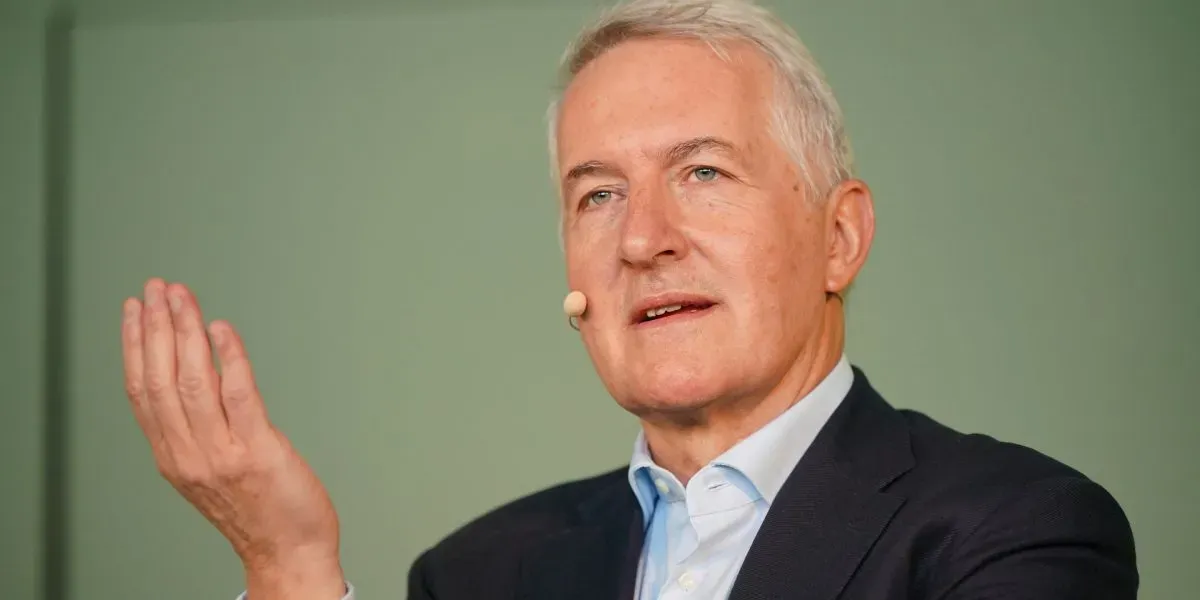
The loss of domestic production capabilities for antibiotics raises concerns about security and sovereignty, particularly given Europe's dependence on foreign suppliers. According to Richard Saynor, CEO of Sandoz, this situation creates vulnerabilities that could be exploited by other countries during times of diplomatic tension.
Sandoz has warned UK lawmakers in written evidence that the restriction of antibiotic supply from China could become a tool of economic coercion or hybrid warfare. The company's concerns highlight the need for a level playing field to ensure the continued availability of life-saving medicines, regardless of market fluctuations and global events.
The global pharmaceutical market is facing unprecedented challenges as cheap Chinese imports flood markets with ultra-cheap ingredients.
Sandoz has taken a stand against this trend by filing a complaint to the European Commission in May, requesting an anti-dumping probe into Chinese imports of amoxicillin's active ingredient.
Chinese manufacturers have been accused of engaging in "market-distorting behavior" that allows them to undercut competitors and dominate global markets. This has put immense pressure on companies like Sandoz to keep up with prices.
The EU's Critical Medicines Act, provisionally approved in May, aims to improve the availability and production of key medicines across Europe. However, it remains unclear how this will translate into increased funding for these essential drugs.
The financial struggles faced by public health services globally have led to concerns about the affordability of essential medicines. However, Sandoz CEO Saynor believes that paying a premium for certain drugs is not unreasonable given their development costs.
The company specializes in developing generic and biosimilar medicines, which offer similar clinical benefits to branded counterparts at significantly lower prices. These off-patent drugs account for 80% of all medications used worldwide, indicating their importance in healthcare systems.
In the next decade, patents for a combined $650 billion worth of medicines are set to expire, paving the way for an influx of biosimilar products into the market. This development has been described as an "unprecedented golden decade" by Saynor, who sees it as a major opportunity for Sandoz.
The company is planning to expand its portfolio significantly in the coming years, with ambitions to produce over 100 biosimilar products by 2040, nearly eight times its current total. This expansion could create almost $1 trillion in social impact through direct savings for healthcare systems.
To support this growth, Sandoz has invested heavily in a new drug substance facility in Ljubljana, Slovenia, with an estimated cost of $300 billion. The company sees biologics as a key area of opportunity and is positioning itself to capitalize on the expected surge in demand.
Sandoz's spin-off from Novartis in 2023 has given it the freedom to challenge patents and bring new products to market more quickly, a strategy that differs from that of its former parent company.
The spin-off from Novartis in 2023 has given Sandoz the freedom to operate independently and make decisions without being influenced by its former parent company.
As an independent entity, Sandoz is now able to engage with regulatory bodies and governments around the world more directly, allowing its leadership team to shape policy and influence industry trends. This shift in dynamics has enabled Sandoz to speak out on issues that it might not have been able to address as part of a larger organization.
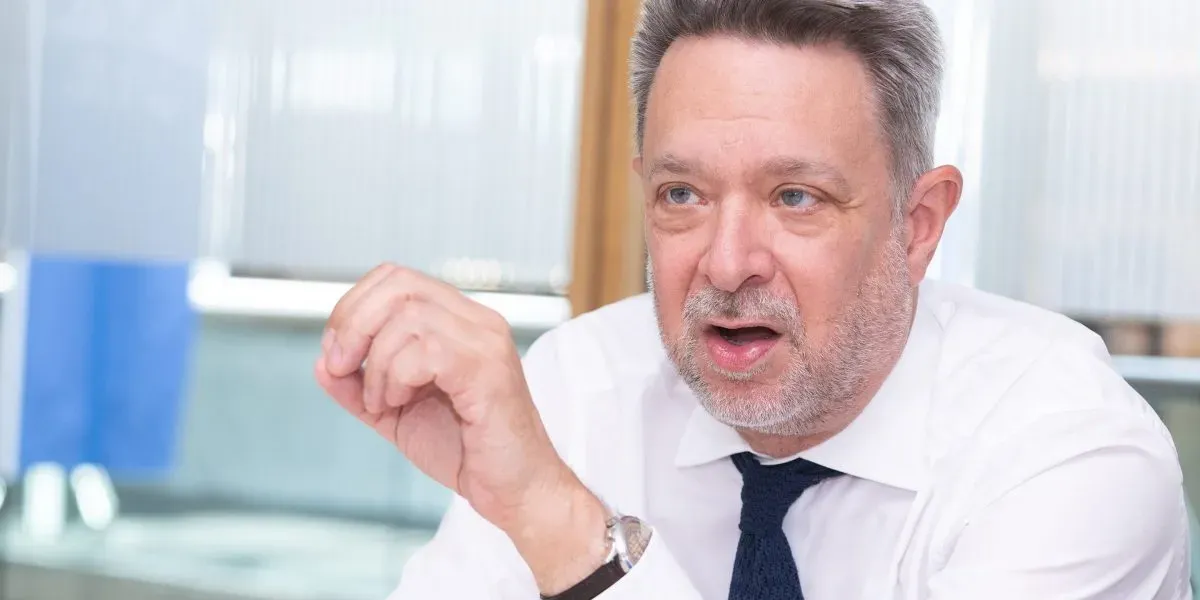
Pascal Bouye, who joined Sandoz from Mars and Danone, has taken on the role of president of generics and manufacturing supply, bringing with him expertise in managing complex supply chains. His appointment is just one example of how Sandoz is actively seeking out fresh perspectives and talent from outside the pharmaceutical industry.
In addition to Bouye's appointment, Remco Steenbergen, a former CFO of Lufthansa, has also joined Sandoz, bringing with him an understanding of managing finances within asset-heavy industries. His expertise will be invaluable as Sandoz navigates its growth and faces increasing competition from Chinese companies.
The influx of new talent and perspectives is seen as crucial to Sandoz's future success, particularly as the company continues to grow and expand into new markets. By embracing a more diverse range of skills and experience, Sandoz aims to stay ahead of the curve and drive innovation in the industry.
The pharmaceutical industry faces a pressing issue: unequal pricing practices that prioritize profit over people's lives. Companies like Sandoz are calling for a level playing field where essential medicines are not undervalued compared to consumer goods.
This disparity is starkly evident in the comparison between the price of a Mars bar and life-saving antibiotics, which can be sourced cheaply from China but remain expensive elsewhere. To address this imbalance, companies must adapt their business models and develop more innovative approaches to manufacturing and distribution. A fairer pricing system would ensure that essential medicines are accessible to those who need them most.
Facts based on reporting originally published by Fortune.
You may republish this story, in full or in part, if you credit News Central Site and link to it (licence CC BY 4.0). Photos are not included.