Nathan Fielder's Unorthodox Approach to Human Behavior Explored
A writer and filmmaker known for pushing people to their limits, Nathan Fielder has gained unprecedented access to Elizabeth Holmes' personal life as part of his documentary series "You Can See Everything".
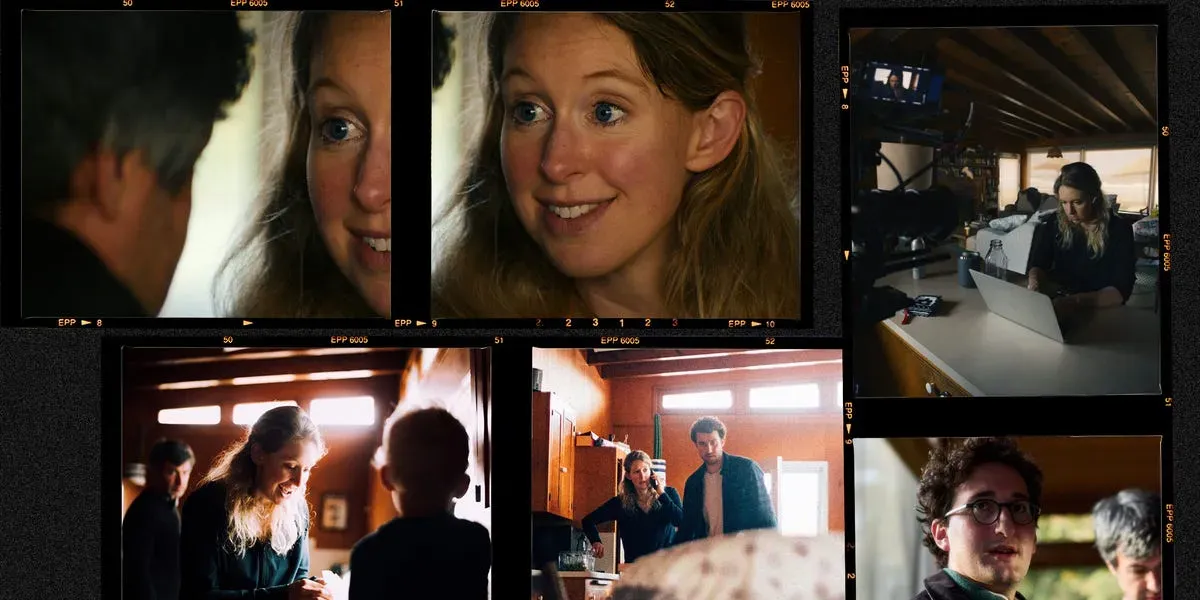
Nathan Fielder is a writer and filmmaker known for pushing people to their limits in order to understand human behavior better. His work often involves staged experiments that blur the line between documentary and reality TV. Fielder's approach can be cringe-worthy at times, but his goal is always to shed light on our quirks and flaws.
Fielder's most notable projects include Nathan For You, a comedy series that aired on Comedy Central, and The Rehearsal, which premiered on HBO. On both shows, he used unorthodox methods to help people overcome personal challenges or improve their skills in unconventional ways. His goal is not just to entertain but also to observe human behavior in its most raw and honest form.
Fielder's approach often involves staging elaborate ruses that allow him and his audience to witness the uncanny behavior of regular people. By creating these intricate scenarios, he forces individuals to confront their own limitations and biases. While his methods may be unorthodox, they are always aimed at revealing new possibilities for human understanding.
The line between documentary and reality TV is intentionally blurred in Fielder's work, making it difficult to separate what we see from what we already know. His projects often raise more questions than answers, leaving viewers to ponder the nature of truth and observation.
The documentary series "You Can See Everything" delves into the life of Elizabeth Holmes, founder of Theranos, who was convicted of defrauding investors and the public about her revolutionary blood-testing device.
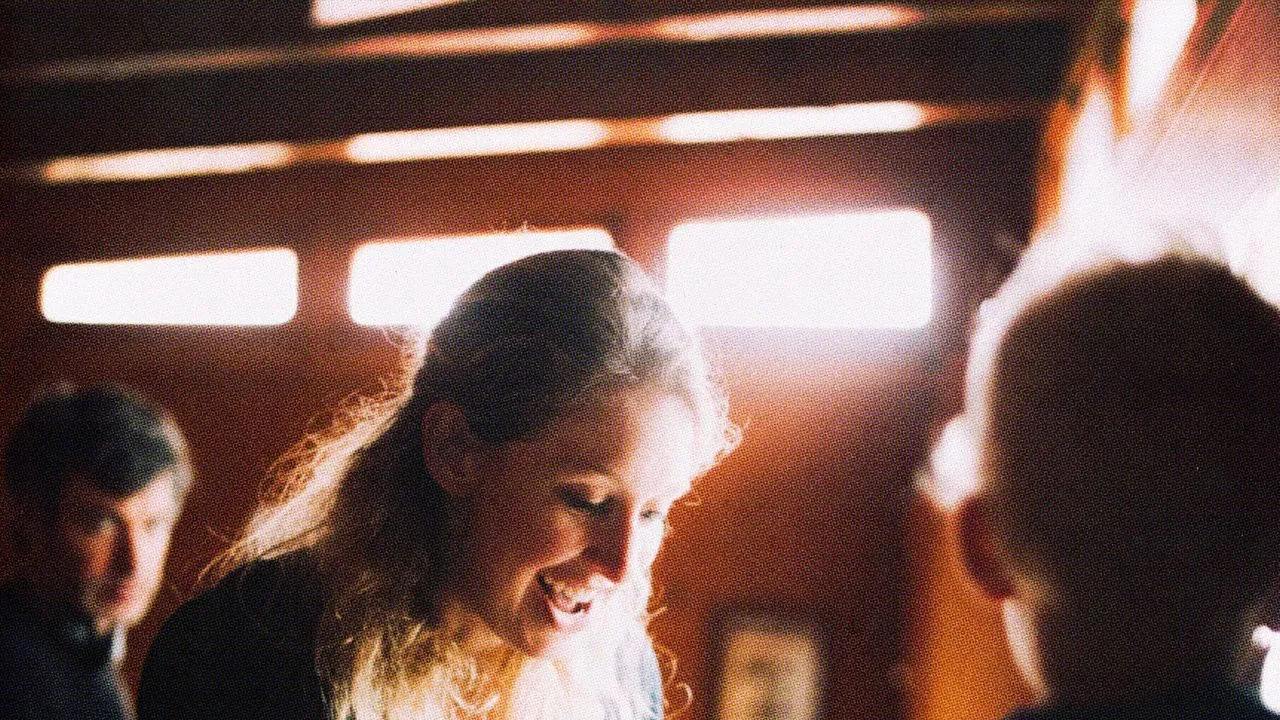
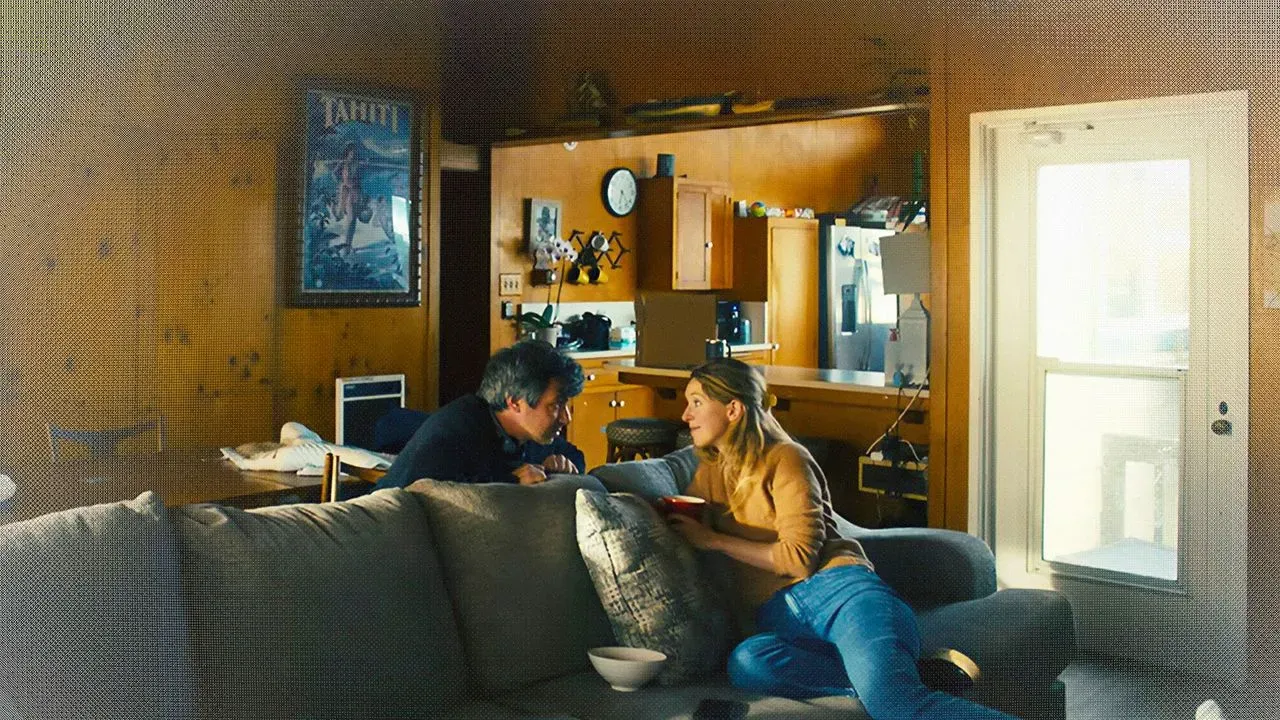
As part of this project, filmmaker Fielder has gained unprecedented access to Holmes' personal life, capturing intimate moments with her husband Billy Evans in their seaside rental home in Del Mar, California.
This is a stark contrast to earlier portrayals of Holmes, where she was often seen as the embodiment of Silicon Valley's glamour and innovation, with her signature sleek black turtleneck and crystal-blue eyes dominating magazine covers.
The couple has invited Fielder into their home 24/7, allowing him to observe Holmes in a more candid light, but his attempts at objective portrayal have led to a story full of complexities and contradictions.
The documentary's portrayal of Elizabeth Holmes is a masterclass in complexity, as Nathan Fielder's attempts at objective storytelling are constantly thwarted by the subject's own narrative.
Fielder's presence in Holmes' life feels like an unlikely convergence of events, given his background as a character and a person who studies her. This unusual dynamic creates a sense of tension between the two, with Fielder's trickster tactics serving as a counterpoint to Holmes' carefully constructed reality.
The documentary highlights the stark contrast between the public perception of Holmes and her private self. Despite being convicted on four counts of corporate fraud in January 2022, Holmes seems oblivious to the severity of her actions, instead choosing to downplay them with semantic games.
Holmes' assertion that she is incapable of lying raises more questions than answers, particularly when juxtaposed with Fielder's efforts to understand her motivations and actions. As he delves deeper into the couple's lives, it becomes clear that they inhabit a reality designed by themselves, one that is intentionally opaque and resistant to scrutiny.
As Billy's behavior becomes increasingly controlling, he starts to manipulate what is visible to us, deliberately concealing aspects of his relationship with Holmes.
His actions are a stark contrast to his initial stance on transparency, and it soon becomes clear that his motivations may not be entirely altruistic. A pattern emerges where he dominates interactions with Holmes, often interrupting or stopping them abruptly when he feels the conversation is becoming too probing or challenging.
The parallels between Billy's behavior and his claims of media manipulation regarding Holmes' sentencing are striking, raising questions about his role in shaping her narrative. This blurs the lines between what we can trust as fact and what may be a carefully constructed facade.
With Holmes' absence from the documentary, space opens up for introspection, allowing Fielder to explore different perspectives on her subject's personality. In reenactments reminiscent of those in The Dropout, Seyfried brings a nuanced approach, grappling with the complexity of Holmes' character and weighing empathy against wariness as she tries to understand her true nature.
The documentary raises questions about the nature of truth and perception, as it delves into the complexities of human behavior. In one particularly striking moment, Holmes challenges a colleague on their own potential biases, serving as a kind of barometer for the audience to gauge the reliability of the narrative.
As the story unfolds, the contradictions and flaws in those involved become increasingly apparent, highlighting the inherent subjectivity of human experience. The documentary suggests that we are all prisoners of our own egos, perceiving the world through the lens of our individual preferences and experiences. Ultimately, this raises doubts about whether it's possible for anyone to truly know another person, or even themselves.
- #NathanFielder
- #ElizabethHolmes
- #California
- #BillyEvans
- Elizabeth Holmes · Nathan Fielder
- Film and TV premieres
- Reality TV
- Television
Facts based on reporting originally published by Harper's Bazaar.
You may republish this story, in full or in part, if you credit News Central Site and link to it (licence CC BY 4.0). Photos are not included.