You Can See Everything Leaves Viewers Questioning Reality
A new documentary co-directed by Nathan Fielder has left viewers questioning the very nature of non-fiction storytelling, challenging traditional notions of documentary structure.
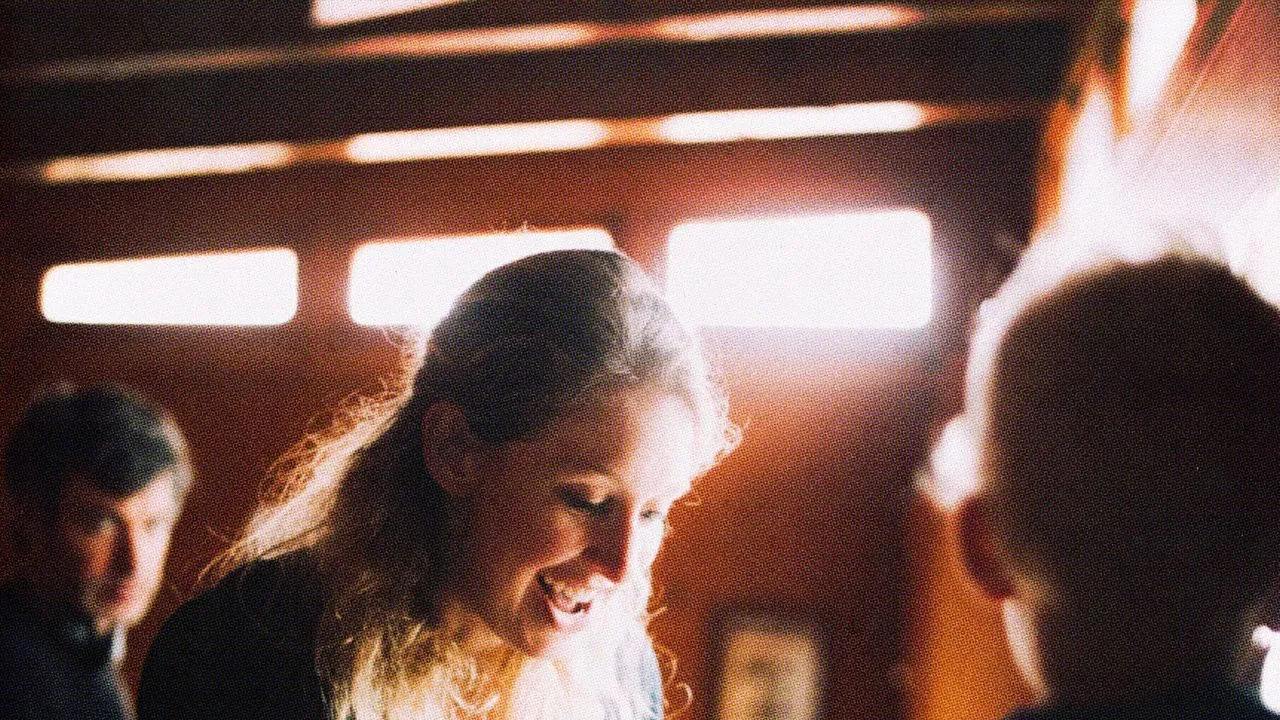
A new documentary co-directed by Nathan Fielder has left viewers questioning the very nature of non-fiction storytelling. The three-hour film, titled "You Can See Everything, is a thought-provoking exploration that challenges traditional notions of documentary structure.
At its core, the film's innovative approach raises questions about the artificiality of documentary filmmaking itself. By subverting expectations and blurring the lines between reality and fiction, Fielder and his co-director Lance Oppenheim create a unique viewing experience.
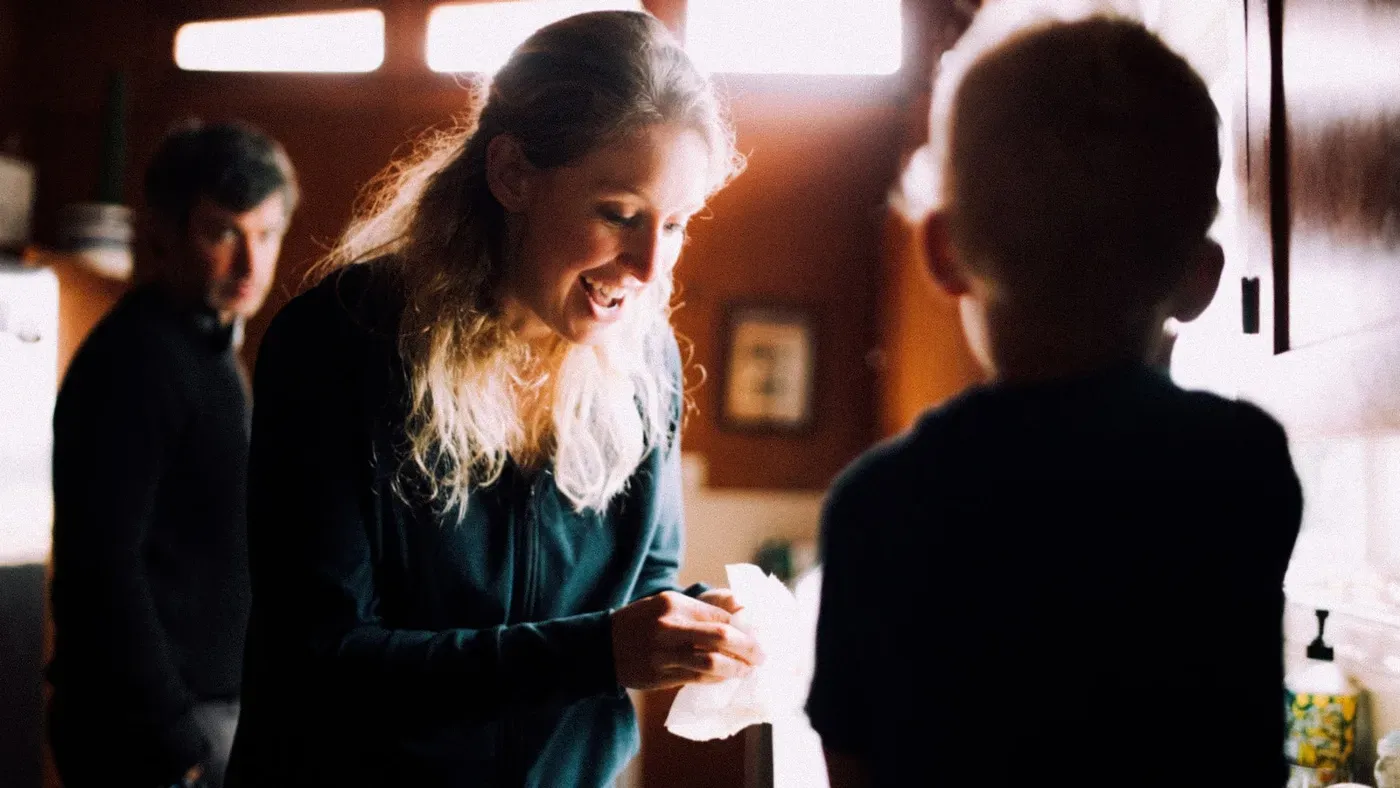
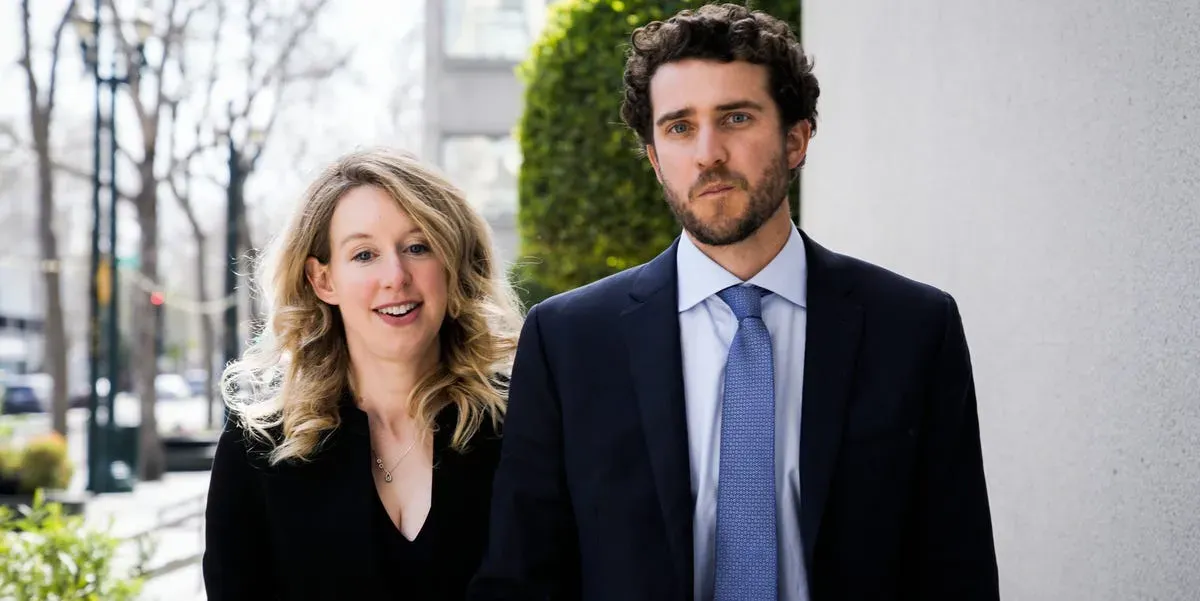
The subject of the film is none other than Elizabeth Holmes, the infamous founder of Theranos who has been extensively covered in various forms of media. One might wonder what additional insights this documentary could possibly offer into her story.
However, given Nathan Fielder's background as a mastermind of absurdist-comedy projects like Nathan For You" and "The Rehearsal, it's not surprising that he would tackle the subject with an unconventional approach.
The film Everything leaves viewers questioning what is real and what is fabricated, keeping them engaged long after the initial shock of its unconventional approach has worn off.
This ambiguity is a hallmark of Nathan Fielder's work, which often blurs the lines between reality and performance, challenging our perceptions of narrative and authorship.
Fielder's collaboration with Ariel Oppenheim on Everything positions them in a lineage of filmmakers who have pushed the boundaries of genre and form, exploring themes that are particularly relevant today.
This film, like Fielder's earlier work, challenges viewers to think critically about the stories we tell and the power dynamics at play in their creation.
Nathan Fielder's work often blurs the lines between reality and fiction, but one of his early projects, Finding Frances, laid the groundwork for this approach.
In this film, Fielder stages a mock reunion between the subject and an old flame, allowing the subject to rehearse their interactions in advance. This innovative technique would later become a hallmark of Fielder's work in The Rehearsal.
The use of this method in Finding Frances was likely an early experiment with what would eventually become the central concept of The Rehearsal. It shows Fielder thinking creatively about how people interact and how relationships can be influenced by external factors.
This kind of experimentation is reminiscent of other filmmakers who push the boundaries of documentary storytelling, such as Ross McElwee in his 1986 film Sherman's March.
The 1969 film Medium Cool directed by Haskell Wexler is notable for pushing the boundaries of traditional documentary storytelling and raising questions about media ethics.
This film's narrative follows a news reporter who uncovers a conspiracy involving his station seeding information to the FBI, blurring the lines between fiction and reality. The movie integrates real-life events from 1968 into its storyline in a striking way.
The climax of Medium Cool sees actors and crew caught up in a violent protest at the 1968 Democratic National Convention in Chicago, further underscoring the film's themes of media manipulation and the blurring of fact and fiction.
In his review of Medium Cool, Roger Ebert wrote that there are fictional characters in real situations [and] there are real characters in fictional situations," cautioning against separating reality from fiction. This approach challenges traditional notions of documentary filmmaking.
Abbas Kiarostami's 1990 film Close-Up is a landmark of neorealist cinema and has become an international sensation. The movie tells the true story of a cinephile who impersonated a famous Iranian filmmaker, leading to a trial for fraud.
Jafar Panahi's latest film, No Bears, is a testament to his unwavering dedication to filmmaking despite facing severe government restrictions.
The Iranian filmmaker has been repeatedly arrested, imprisoned, and formally banned from making films by the Iranian government, but he continues to defy these obstacles with remarkable courage.
In No Bears, Panahi takes on a fictionalized version of himself, remotely directing a docu-drama in Turkey from his small village in Iran. The production is fraught with challenges that mirror the real-life struggles faced by artists under oppressive regimes.
The film's neorealist style and blend of fact and fiction pay homage to Panahi's mentor, Abbas Kiarostami, while also highlighting the risks involved in creating art under such conditions.
The film Blue Heron, directed by Romvari, takes a personal approach in exploring the complexities of grief and memory through its semi-autobiographical narrative. The story revolves around a filmmaker struggling to comprehend her enigmatic half-brother who passed away before she was old enough to know him.
Romvari employs unconventional structural choices, blending documentary with scripted narrative, to convey the protagonist's futile search for truth about her brother. This approach highlights the challenges of capturing someone's essence or truth through art, emphasizing that it is impossible to fully understand another person.
Ultimately, Blue Heron presents a poignant exploration of the human experience, where memory and grief intersect with artistic expression.
Facts based on reporting originally published by GQ.
You may republish this story, in full or in part, if you credit News Central Site and link to it (licence CC BY 4.0). Photos are not included.