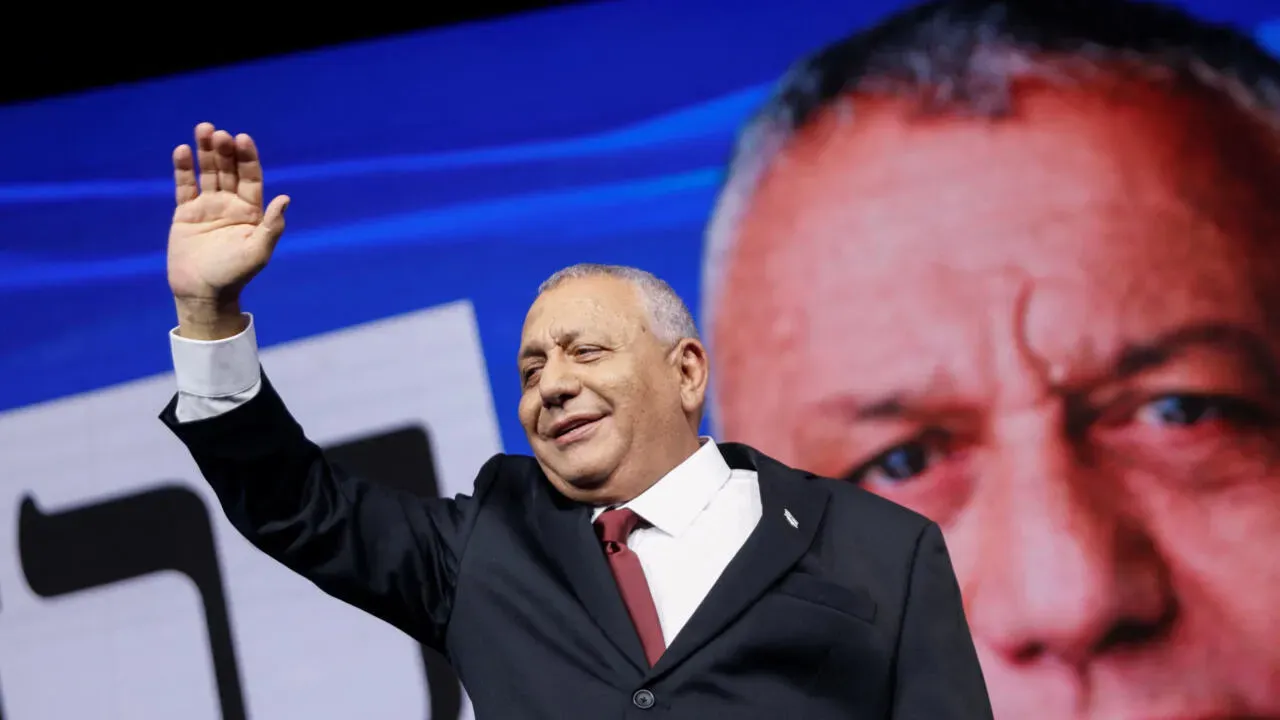
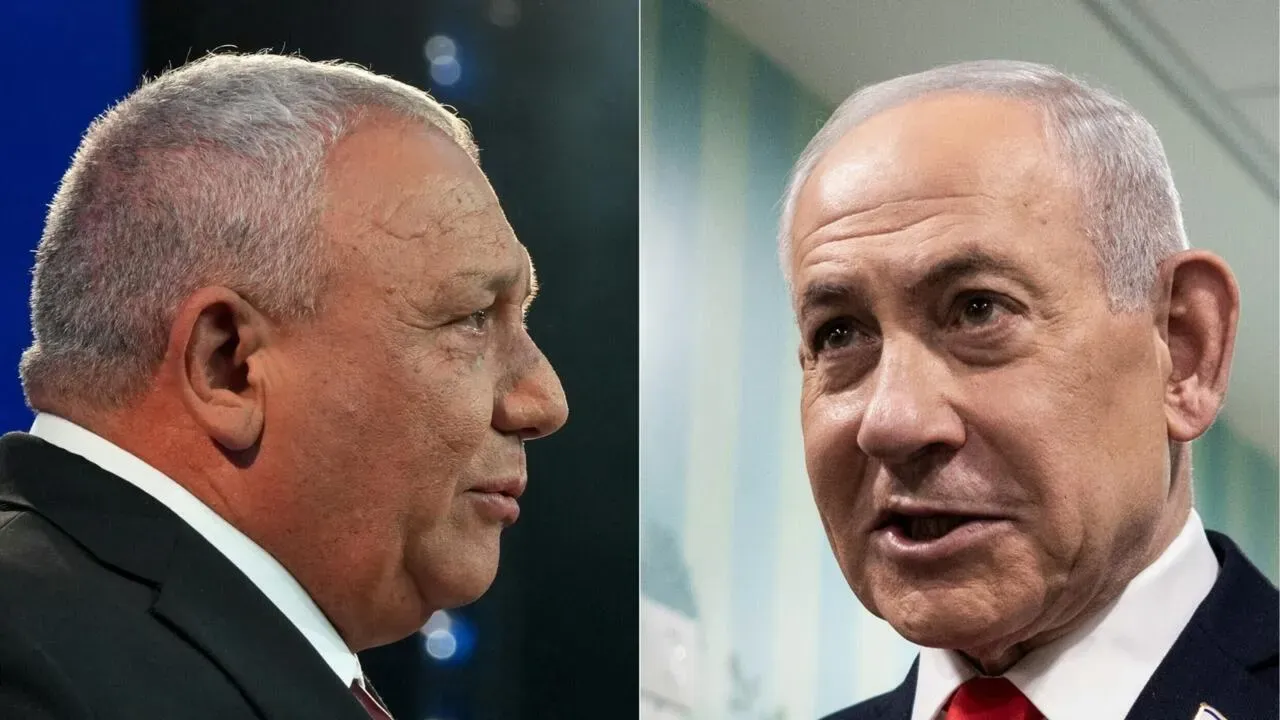
Israeli caretaker Prime Minister Benjamin Netanyahu proposes rotating premiership with Gadi Eisenkot
Benjamin Netanyahu has proposed a rotating premiership arrangement with his main rival, allowing each to serve in the role at different times.

Israeli caretaker Prime Minister Benjamin Netanyahu has proposed an unexpected twist in the country's ongoing political saga. According to reports, Netanyahu is willing to step aside and allow his main rival Gadi Eisenkot to take office first as part of a rotating premiership arrangement.
Netanyahu made this offer on social media, stating that the current threats to Israel's security justify abandoning the traditional custom where the largest party leads the government. In an unusual move, Netanyahu is suggesting that he and Eisenkot alternate as prime minister, with Eisenkot serving first in the role.
Eisenkot has been vocal about his plans for a new government, having previously stated that he intends to announce its formation by December 6. However, it remains unclear whether this proposal from Netanyahu will sway Eisenkot's position or lead to further negotiations between the two leaders.
The development comes after Eisenkot vowed to meet the official deadline without seeking an extension, leaving little room for maneuvering as the country waits with bated breath for a resolution to its ongoing political impasse.
The centrist Yashar party, which is expected to form a coalition with anti-Netanyahu parties, has been conducting negotiations with Netanyahu's right-wing Likud. However, Eisenkot's camp has faced divisions over whether to forge alliances with certain groups.
Eisenkot accused Likud of stalling coalition talks in an attempt to bring about new elections. He claimed that Likud had refused to put forward any concrete proposals during the past two weeks. This statement came as a surprise given the earlier expectation of a potential alliance between Yashar and Likud.
In a statement, Eisenkot criticized Likud for its unwillingness to compromise and engage in meaningful negotiations. His comments sparked a heated debate within his own camp about the best course of action to take. Some argue that forming alliances with ultra-Orthodox parties or Arab-majority lists would be more beneficial than pursuing a unity government with Likud.
Leaders of anti-Netanyahu parties have dismissed Eisenkot's proposal for a rotating premiership as nothing more than an attempt to deceive the public once again. They pointed out that Netanyahu has repeatedly broken promises and violated agreements in the past, making it difficult to trust his intentions.
Despite having secured agreement from several parties for a potential coalition, General Gadi Eisenkot's Yashar party still falls short of the 61 lawmakers needed to form a majority government in Israel's parliament. This is due to the combined total of 36 lawmakers from Eisenkot's party and its current coalition partners, including the left-leaning Democrats and right-wing Israel Beiteinu party.
The support of Mansour Abbas' Raam party could be crucial in reaching a majority, but some within Eisenkot's camp have expressed reservations about relying on Arab-majority lists, which made significant gains in the recent election. Meanwhile, Israeli media reports that Abbas is poised to label Hamas as a "terror group" this weekend, a move that could clear the way for Raam to join an Eisenkot-led coalition.
Facts based on reporting originally published by France 24 English.
You may republish this story, in full or in part, if you credit News Central Site and link to it (licence CC BY 4.0). Photos are not included.