Cyberattacks Target Key National Security Agencies Across Western Nations
A fresh wave of cyberattacks is targeting key national security agencies in western nations, following a massive hacking spree last month that left hundreds of companies and institutions reeling.

Western nations are facing a fresh wave of cyberattacks just weeks after a massive hacking spree in October that left hundreds of companies and institutions reeling. The latest onslaught appears to be targeting key national security agencies, which have been vulnerable to online threats.
The "Black October hacking spree last month saw a wide range of targets, including the Federal Election Commission, Sony, John Deere, Oracle Health, Burger King Japan, and the State Bank of India. Cyberattacks even extended to freezers across Europe and at U.S. military bases, causing temperatures to soar and spoiling frozen food. This unprecedented scale of attacks has left experts scrambling to assess their impact.
Cybersecurity specialists have been racing to address vulnerabilities in the PHP programming language used by nearly 70% of all websites. The hacking spree reached a peak with one of the largest crypto heists on record, as North Korean hackers allegedly stole $6.3 billion from Binance.
The situation has taken a turn for the worse this month, with reports emerging that hackers have breached Cloud One, the flagship cloud computing platform of the U.S. Air Force. The breach was discovered during recent upgrades to the system, but key details about the incident remain unclear.
The attackers exploited a software vulnerability to gain access to the control plane of Cloud One, which serves as a central hub for the Air Force's IT needs. This vulnerable point allows hackers to potentially monitor military aircraft operations or track movements of spare parts.
A breach here is a big deal, a source revealed, highlighting the severity of the incident. The system's design, intended to consolidate various applications, has now become a liability in the face of this cyberattack.
Cloud One hosts numerous critical systems, including one that aggregates air defense radar data from across North America and another tracking bombs and missiles at over 200 Air Force locations worldwide. In response to the breach, efforts to migrate back-office applications to Cloud One have been put on hold, while updates to existing applications are being blocked.
The Central Intelligence Agency, Office of the Director of National Intelligence, and National Geospatial-Intelligence Agency recently disclosed a separate cybersecurity breach that exposed some unclassified information. The affected systems included an open-source intelligence analysis platform and a network designed to extract insights from publicly available data.
The recent spate of cyberattacks has continued to plague major institutions in the US, with several high-profile incidents reported in the past few weeks. The FBI's National Crime Information Center was breached earlier this month, marking the second such incident in a short period of time. According to reports, hackers exploited vulnerabilities in the system, compromising sensitive information.
The Treasury Department's Financial Crimes Enforcement Network (FinCEN) also took some services offline due to what is believed to be a cyberattack. The move was likely a precautionary measure aimed at preventing further breaches and protecting user data. It remains unclear whether the incident was connected to the recent hacking spree targeting government agencies.
Last year, the Pentagon faced a major breach that exposed sensitive information belonging to military personnel. Similarly, a leak dubbed Icepick compromised the personal records of Department of Homeland Security employees and contractors last month. The scale and severity of these incidents have raised concerns about the resilience of critical infrastructure systems.
In Europe, FIFA announced on Thursday that hackers had stolen sensitive data from its global network. The affected information included both personal and business details, highlighting the vulnerability of major organizations to cyber threats. Meanwhile, the UK's Department for Work and Pensions took several services offline due to what officials described as a technical issue", sparking speculation about the possibility of a cyberattack.
Researchers studying the recent wave of attacks have found that while AI-powered tools are being used by attackers, they are not necessarily exploiting complex vulnerabilities in the way some had feared. Instead, AI is often employed to scale up phishing campaigns and automate other types of attacks.
Network outages caused by hasty security patches have led to a string of cyberattacks that have caught companies off guard.
Microsoft's suite of software tools was shut down on November 12, crippling email and calendar functions as well as collaboration and AI capabilities.
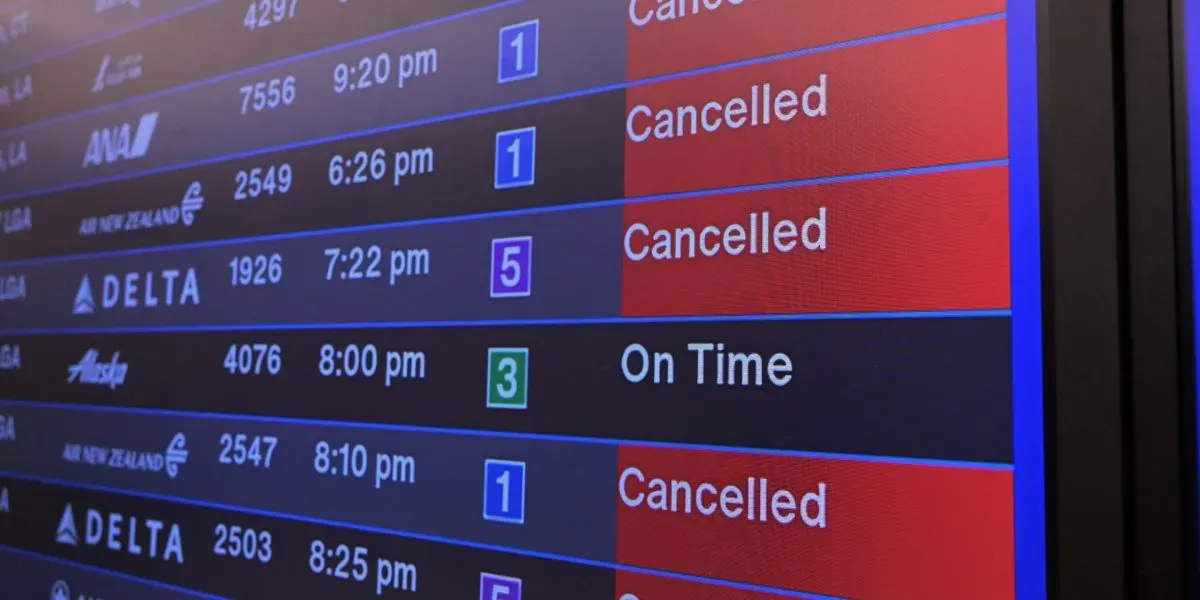
Several major corporations including Chase, Wells Fargo, United Airlines, and Apple experienced temporary service disruptions in the days following Microsoft's outage, while the National Security Agency's internal communications network also went offline.
Concerns over the outages' coincidence have led officials at the Federal Emergency Management Agency to question the official explanation.
Facts based on reporting originally published by Fortune.
You may republish this story, in full or in part, if you credit News Central Site and link to it (licence CC BY 4.0). Photos are not included.