Intergovernmental Panel on Climate Change (IPCC) Faces Deadline to Release Critical Report
The Intergovernmental Panel on Climate Change is struggling to agree on when to release its seventh assessment cycle report, which will reveal the latest evidence on global warming and its impact.
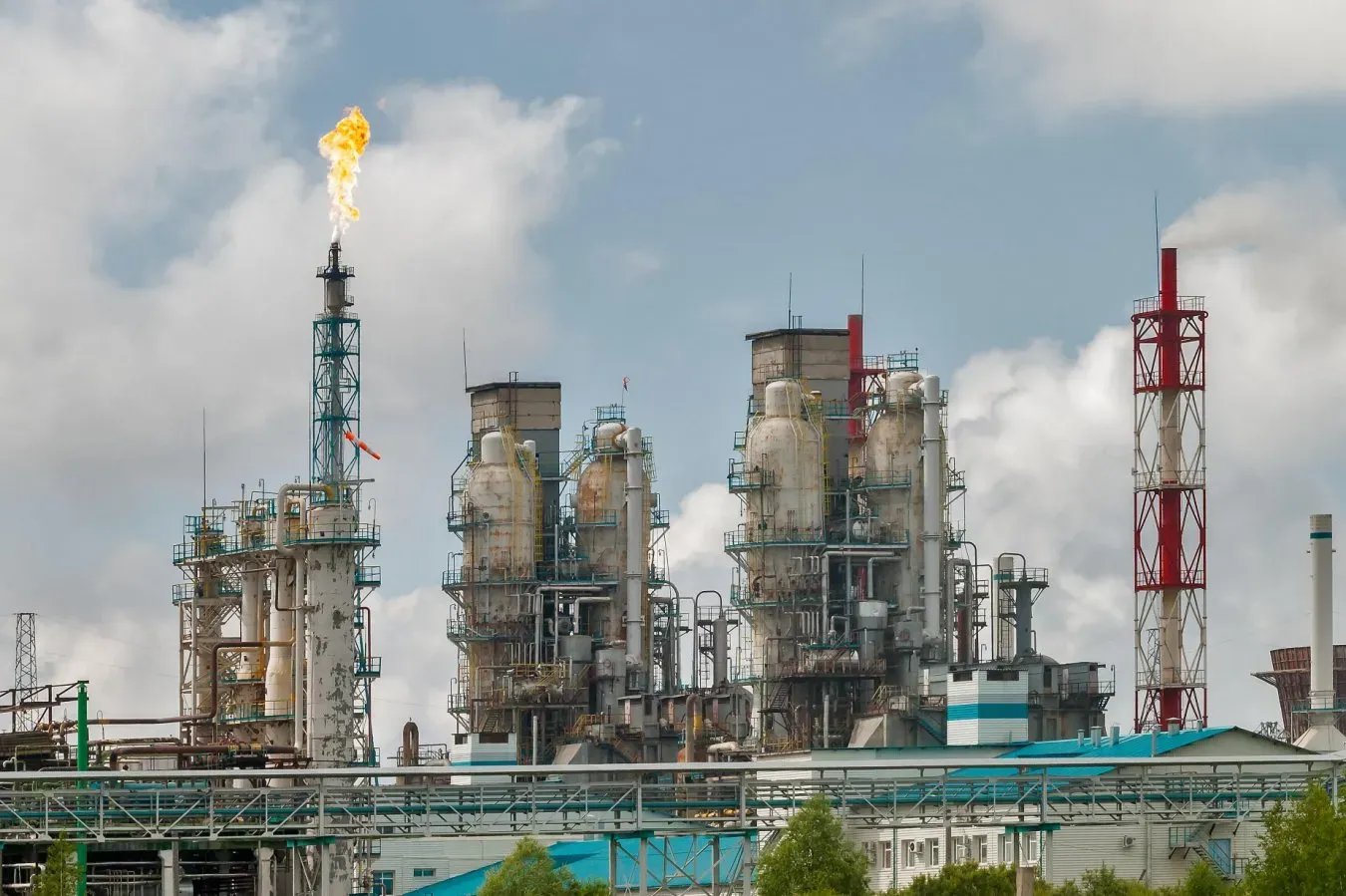
Countries are at odds over the timing of a critical climate report that will reveal the latest evidence on global warming and its impact on the environment. The stalemate has raised concerns about whether the findings will be available in time for a crucial UN-led review in 2028.
The Intergovernmental Panel on Climate Change (IPCC) was scheduled to meet in Addis Ababa, Ethiopia, last week but was unable to reach an agreement on when to release its seventh assessment cycle, known as AR7. The report is expected to summarize the latest scientific research and provide a comprehensive overview of climate change's effects.
AR7 will comprise several key reports detailing the current state of knowledge on climate change, including its causes, consequences, and potential solutions. Its findings are likely to have significant implications for global efforts to combat climate change and will put pressure on countries to step up their emission-cutting targets.
The global stocktake process is a critical component of the Paris Agreement, taking place every five years to inform national climate goals. This regular review is intended to heighten pressure on countries to increase their ambition in reducing carbon emissions.
The stocktake's purpose is to bridge the gap between projected global emissions and the agreed goal of keeping warming "well below" 2°C above pre-industrial levels. The last stocktake, held in 2023, was significant as it followed closely after the IPCC released its findings from its AR6 assessment.
The COP28 summit in Dubai marked the culmination of this stocktake process, resulting in a commitment to transition away from fossil fuels and set new global targets. Specifically, countries pledged to triple renewable energy capacity and double energy efficiency improvement rates by 2030.
These targets raise questions about whether they would have been established without the public pressure generated by the IPCC's findings. The IPCC is not the sole source of climate information, as numerous other publications provide data and analysis for those seeking it.
Journal articles, summary reports, and UN papers offer a wealth of information on the state of the climate and necessary mitigation and adaptation measures. This abundance of data can be accessed for use in stocktakes or any other purpose, providing an alternative to relying solely on IPCC findings.
The release of the next IPCC report has been delayed due to disagreements among its authors over timing and content. This has sparked concerns about the impact on countries' willingness to make new climate commitments ahead of the COP summit.
Without a timely publication of the IPCC report, countries will face less pressure to set ambitious targets for reducing greenhouse gas emissions. According to experts, this could undermine global efforts to address climate change, particularly in light of the looming deadline for the 1.5°C target.
The delay is largely attributed to a small group of countries, including Russia and Saudi Arabia, which are seeking more time for low-income nations to review the report's findings. This tactic mirrors their negotiating strategies at climate summits, where they have historically sought to slow international action on emissions cuts.
As a result, it appears increasingly unlikely that the IPCC will meet its target publication date in sync with the global stocktake.
The IPCC's efforts to meet its target publication date in sync with the global stocktake have hit a snag, with the chair of the organization announcing that a crucial meeting will be reconvened at the earliest opportunity.
A report on the science of climate change may now arrive in May 2028, while two further reports assessing adaptation and mitigation are expected to be published the following year.
Facts based on reporting originally published by New Scientist.
You may republish this story, in full or in part, if you credit News Central Site and link to it (licence CC BY 4.0). Photos are not included.