Microsoft offers buyouts to nearly 30% of workforce in ongoing AI shift
The company is providing severance packages to employees who accept the voluntary exit program, which aims to trim costs while investing in AI data centers.
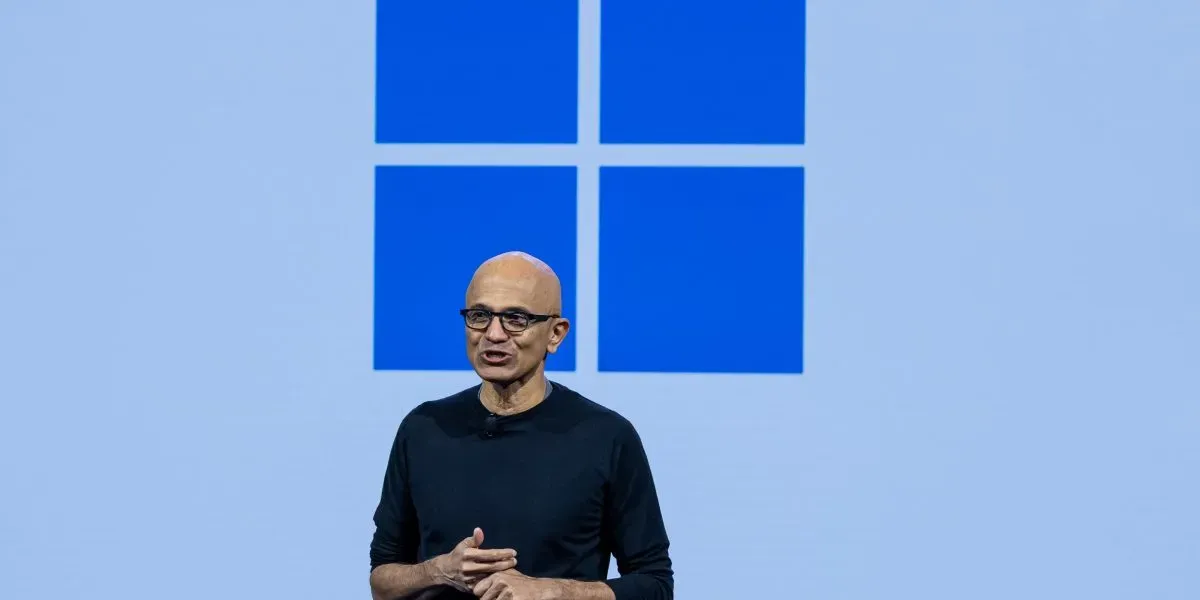
Microsoft is undertaking a significant restructuring effort, offering buyouts to nearly 30% of its workforce in an ongoing shift towards artificial intelligence. The software giant has informed employees that it will provide severance packages to those who accept the voluntary exit program.
The company's chief people officer, Amy Coleman, introduced the new initiative in a memo to employees on Monday. Eligible staff members include senior leaders and up to vice presidents, giving them the option to transition out of the company with support. This move is part of Microsoft's efforts to trim costs while investing heavily in AI data centers.
Microsoft has been gradually reducing its headcount over the past year, shedding 5,000 workers since June 2025, when it had a total workforce of around 223,000 employees. The current buyout program is similar to one offered in April, which was specifically targeted at long-tenured employees. At that time, Coleman stated that Microsoft aimed to simplify its operations and move faster.
As part of the latest buyout initiative, departing employees will receive severance payments based on their tenure with the company. The terms of these packages vary depending on local labor laws but will be consistent with standard separation agreements. In countries such as the U.S., this means a minimum of eight weeks' pay, continued stock vesting, health care, and career services.
Eligible employees in the U.S., the U.K., Canada, and India must accept the buyout by the first week of December to be included in the program. Those who participate will leave Microsoft on December 31, marking a significant change for many staff members as the company continues its AI-focused transformation.
Microsoft's ongoing shift towards an AI-driven business model has led to significant changes within the company's leadership structure and workplace culture. This transformation is part of a broader effort by CEO Satya Nadella to dominate the enterprise and cloud AI markets.
As part of this change, several high-ranking executives have announced their departure from Microsoft. These include Ryan Roslansky, who served as both an executive vice president and LinkedIn's former CEO, and Frank X. Shaw, the company's chief communications officer. Other notable departures include gaming chief Phil Spencer and Rajesh Jha, executive vice president of experiences and devices.
The tech industry has seen a trend of major companies trimming their workforces in response to rising expenses. Google offered buyouts to select employees earlier this year, while Amazon cut jobs in various divisions, including its Stores unit. The latter company also laid off around 30,000 workers between late 2025 and early this year.
Despite these workforce reductions, Microsoft remains a significant player in the tech industry's spending on data centers. In its latest quarterly report, the company revealed $41 billion in capital expenditures for the quarter ending in June and projected $145.3 billion in total spending for its 2026 fiscal year.
Microsoft's ongoing restructuring efforts have continued into July, with the company announcing significant job cuts affecting nearly a third of its workforce. This latest round of layoffs follows on from the approximately 15,000 redundancies made in 2025.
The majority of these recent cuts are concentrated within Microsoft's struggling Xbox division, which has been weighing heavily on the company's overall financial performance. With Microsoft set to release its first-quarter earnings report this week, investors will be closely monitoring the company's progress and outlook amidst ongoing market fluctuations, with shares having increased by around 25% in the past six months.
Facts based on reporting originally published by Fortune.
You may republish this story, in full or in part, if you credit News Central Site and link to it (licence CC BY 4.0). Photos are not included.