Groundbreaking Shipwreck Discovery Off Turkish Coast Dates Back 2700-2400 BC
A team of archaeologists has made a groundbreaking discovery off the coast of Turkey, uncovering what is believed to be the world's oldest shipwreck.
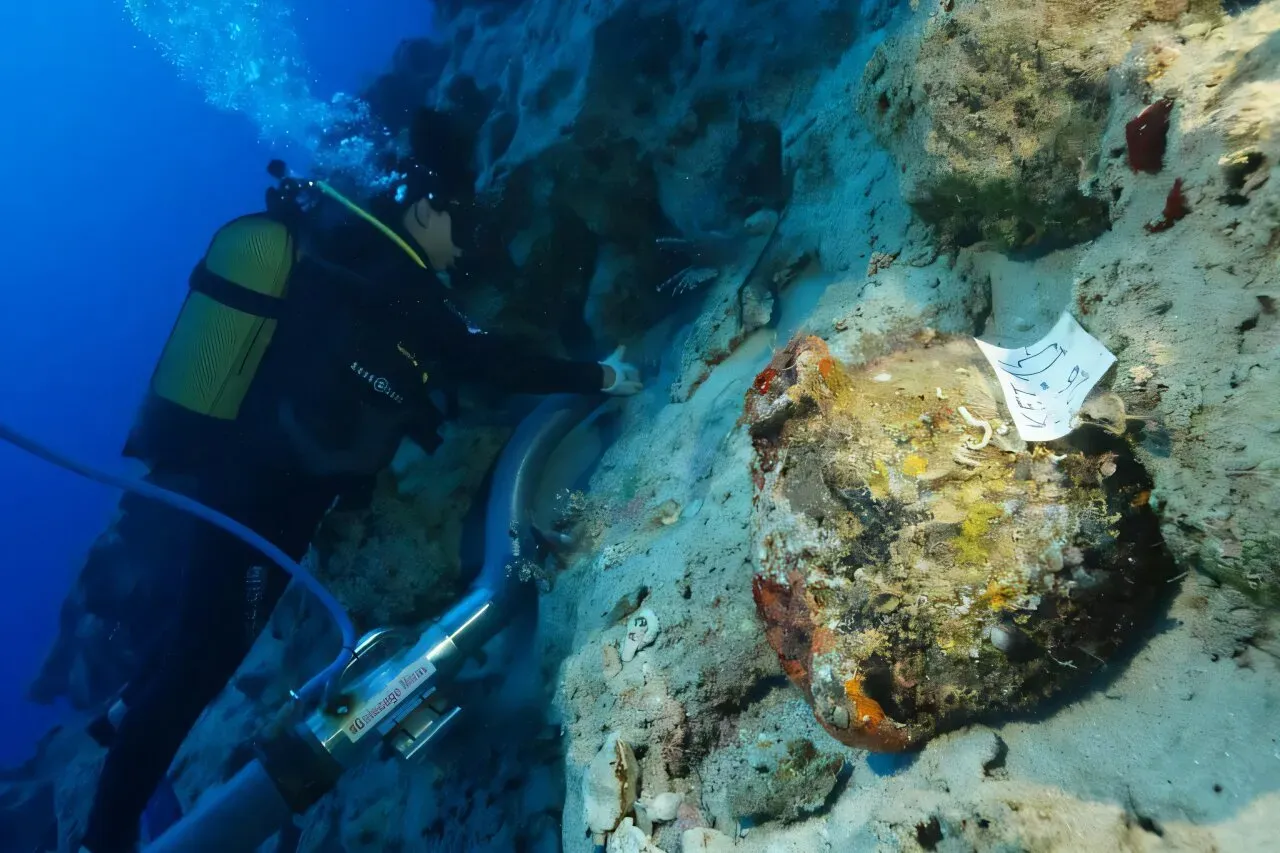
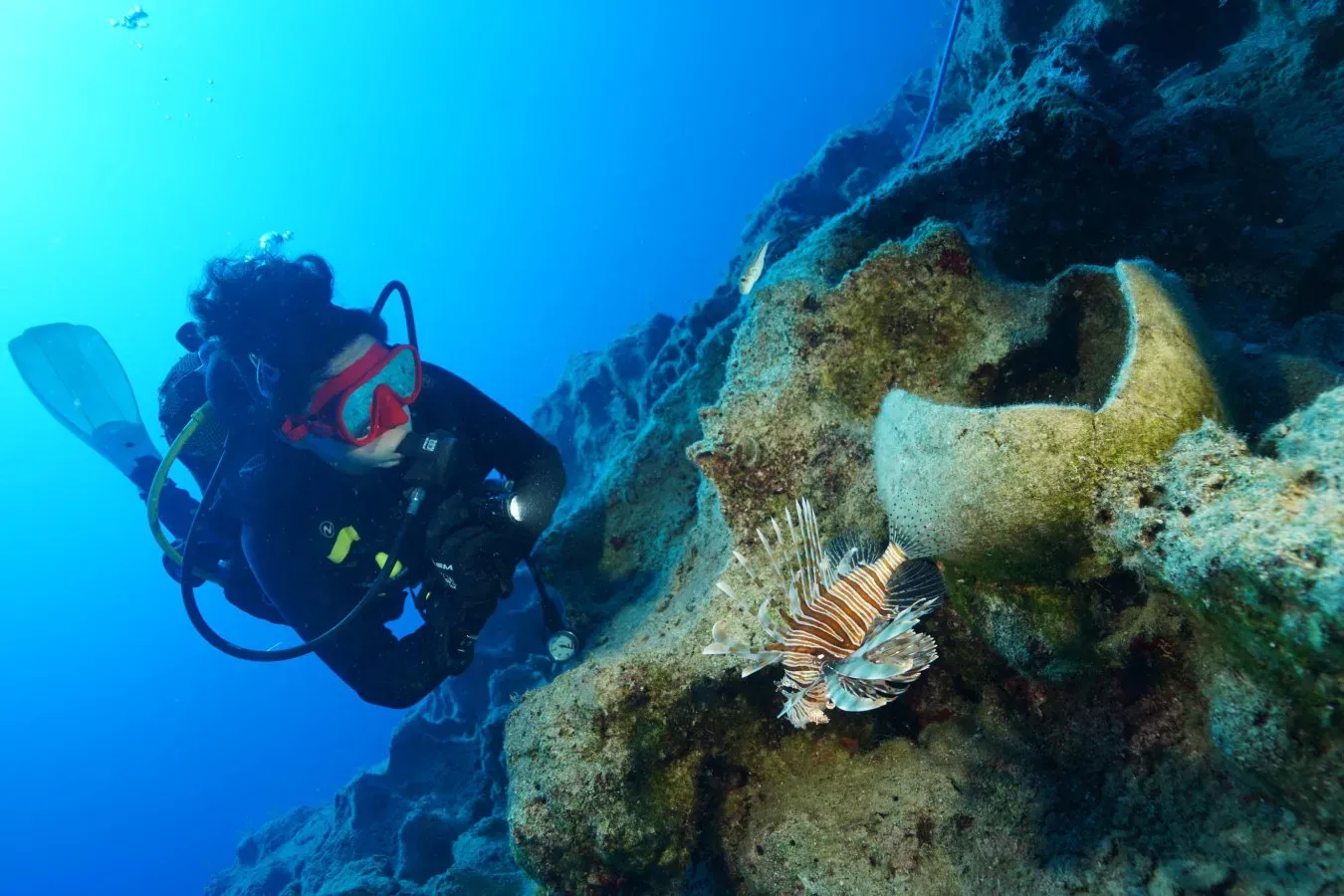
A team of archaeologists has made a groundbreaking discovery off the coast of Turkey, uncovering what is believed to be the world's oldest shipwreck. The wreckage lies in shallow waters near Kekova, west of Antalya, and despite being largely intact, only fragments remain of the vessel itself.
Preliminary analysis suggests that the ship dates back around 2700-2400 BC, a period known as the Early Bronze Age. This makes it significantly older than the previously recognized oldest shipwreck off the coast of Dokos in Greece, which was estimated to be around 4200 years old.
The discovery is significant because it provides clues about ancient trade routes and connections between civilizations in the Mediterranean region during this time period. The presence of pottery vessels on board offers a glimpse into the types of goods being transported across these early trade networks.
Associate Professor Hakan Öniz, an expert in shipwreck excavation from Akdeniz University, Antalya, has been working along this coastline for decades and was instrumental in uncovering the wreckage. He had previously found clues about the site's existence through conversations with local seafarers.
The team is now working to further analyze the pottery vessels and other artifacts recovered from the shipwreck, with a full report of their findings set to be published in a peer-reviewed journal at a later date.
The team's experience excavating the site was unlike anything they had encountered before, as it required adapting to new technologies and techniques suited for underwater exploration.
Despite the passage of time, researchers have been able to estimate that the ship and its cargo date back to around 2700-2400 B.C. However, this determination is still subject to revision, with earlier or later dates also possible.
The discovery has significant implications for our understanding of ancient trade networks, which were active in the eastern Mediterranean region over 4,500 years ago. This era saw the rise of powerful civilizations, including those that built the pyramids of Giza.
The shipwreck is thought to have been traveling along the coast of southern Turkey when it crashed against rocks during a storm, potentially carrying sailors from the Levant region who were seeking refuge in the protected waters between two islands.
The remains of a shipwreck's precious cargo were embedded in the rocky slope along the Kekova coast off the coast of Turkey.
Divers extracted pottery from barnacles clinging to the underwater slope over the past four months, carefully removing it for further analysis.
Pottery is surprisingly durable and resistant to decay, breaking down only into smaller pieces over time rather than completely disappearing.
The cargo included large ceramic storage vessels or amphorae that once contained products from regions of the eastern Mediterranean, providing valuable clues about trade routes and cultural exchange across the region.
These ovoid jars with flat bases and two handles were often decorated with a raised horizontal clay "belt" around their widest part.
The eastern Mediterranean region during the third millennium BC remains a poorly understood period for trade and exchange.
Maritime voyages during this time are known from various sources including Egyptian texts, pottery vessels found in ancient tombs, and raw materials discovered on archaeological sites.
Around 2600 BC, the Egyptian state was importing essential commodities such as cedar, tin/lead, oils, tree resins, lapis lazuli, and silver.
The silver used by the Egyptians during this period has been found to originate from the Lavrion mines east of modern Athens through recent scientific research.
The discovery of ancient shipwrecks off the coast of southern Turkey has been a significant area of study in maritime archaeology. This region's rich history is thought to hold many secrets yet to be uncovered.
Recent research has shed light on the origins of silver used by the Egyptians during this period, revealing that it came from the Lavrion mines east of modern Athens. This finding provides valuable insight into the trade routes and economic networks of ancient civilizations. The discovery of these shipwrecks continues to expand our understanding of human history and culture.
Facts based on reporting originally published by Phys.org.
You may republish this story, in full or in part, if you credit News Central Site and link to it (licence CC BY 4.0). Photos are not included.