Groundbreaking Discovery Made in Understanding Healthy Aging Patterns
A team of researchers has identified a specific protein signature in blood that could potentially predict healthy aging patterns by analyzing immune cells and proteins present in the blood of over 2,600 individuals aged between 18 and 97.
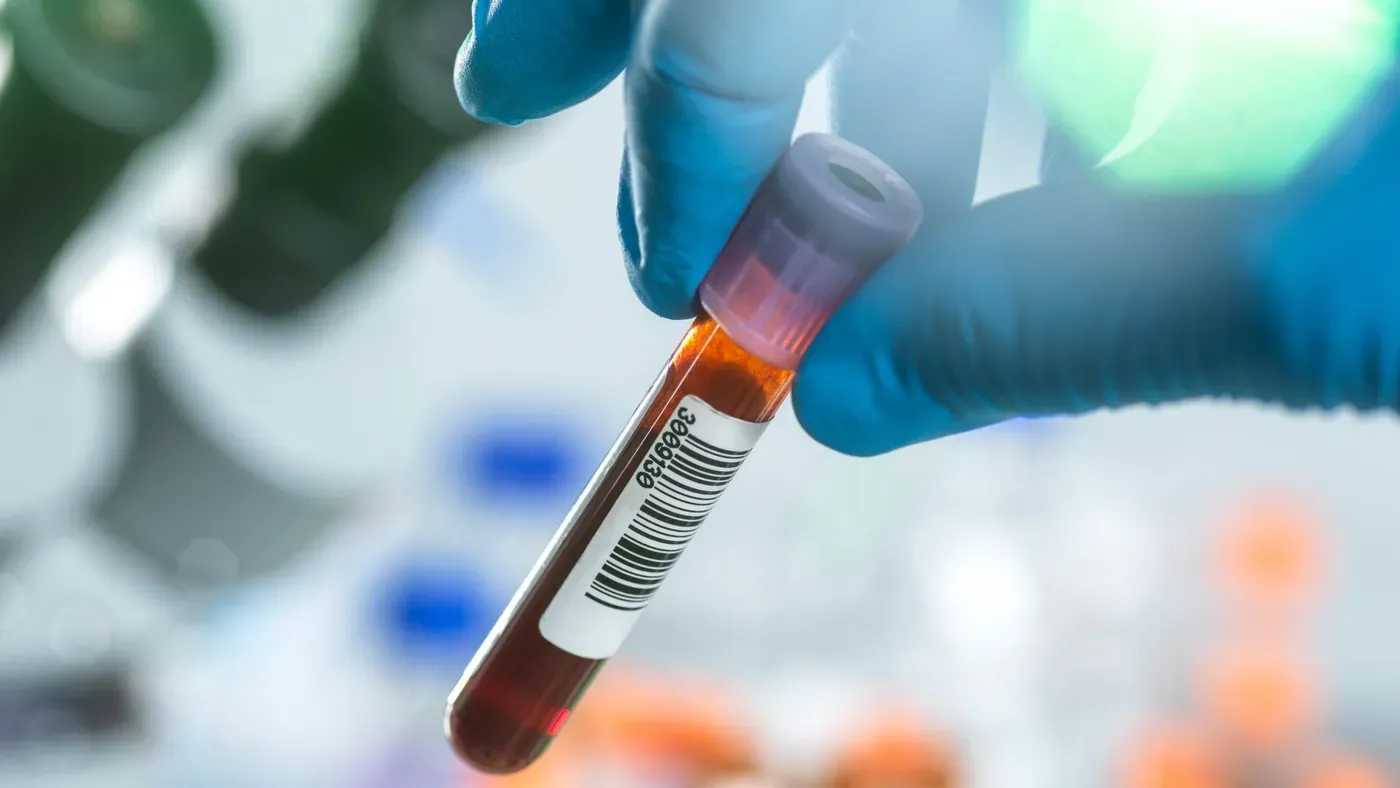
A groundbreaking discovery has been made by researchers who claim to have identified a specific "protein signature in blood that could potentially predict healthy aging. This finding may help explain why some individuals remain healthier for longer despite being born on the same day as others who are more prone to age-related conditions.
The key difference lies in the immune system of these individuals, which contains different levels and types of memory cells - a type of white blood cell that develops over time through exposure to pathogens and vaccinations. As people age, their naive T cells transform into memory cells, enabling them to respond quickly to germs and defend the body against infection.
These memory cells produce unique proteins called granzymes, which come in various flavors including granzyme K and granzyme B. The presence of these proteins is thought to play a crucial role in killing infected cells and maintaining overall health.
The study's findings suggest that individuals with higher levels of memory cells producing granzyme K tend to have healthier aging patterns compared to those with more cells producing granzyme B.
The study's findings have significant implications for understanding healthy aging patterns and potentially developing diagnostic tools. Researchers believe that the balance of certain immune cells in a person's blood could be used as an indicator of whether they are aging healthily or not.
To explore this idea further, the team analyzed immune cells from over 2,600 individuals aged between 18 and 97. They found that people with lower levels of granzyme K-producing cells relative to those producing granzyme B were more likely to suffer from autoimmune diseases or chronic immune conditions.
The researchers also conducted a second analysis on blood samples from 329 people, examining both the immune cells and proteins present in their blood. This investigation revealed a specific protein signature associated with an abundance of granzyme B-producing cells.
Researchers have been analyzing data from over 48,000 participants in the UK Biobank to identify patterns associated with healthy aging.
The study focused on blood proteins that indicated an abundance of granzyme B-producing cells, which were previously linked to immune system function and inflammation.
Individuals predicted to have higher levels of these cells based on their blood profiles showed a significantly increased risk of developing serious health conditions over the next 17 years, including diabetes, high blood pressure, liver disease, and kidney disease.
This heightened risk was also accompanied by an increased likelihood of death in the study population.
The discovery of a protein signature in blood that could predict healthy aging has sparked interest among researchers, but it's essential to note that findings from animal studies may not directly translate to humans due to differences in immune cell development.
In mice, granzyme K-making cells represent a mature stage of immune cell development, whereas in humans, these cells are more akin to granzyme B cells. This distinction highlights the need for caution when comparing results from animal models to human populations, as the underlying biology may not be directly comparable.
The disparity between mouse and human immunity is significant enough that researchers now recognize it as an underappreciated aspect of their field. As a result, scientists are shifting focus towards studying immune cells in humans, rather than relying solely on animal models for insight.
Further complicating matters is the fact that immune cell features can vary significantly across different human populations, which underscores the need for more diverse data to gain a deeper understanding of universal immune health.
Researchers have made significant progress in understanding the aging process by identifying a unique protein signature" in blood that can predict healthy aging. This breakthrough discovery was made possible through an extensive analysis of immune cell features in humans and their relationship with aging.
The study found that certain characteristics of immune cells, particularly CD8+ T cells, remain consistent across different human populations, providing valuable insights into the aging process. These findings suggest that specific protein markers may serve as a reliable indicator of healthy aging, allowing for early detection and potential prevention of age-related diseases.
By shedding light on the complexities of the aging process, this research has major implications for our understanding of how to promote healthy longevity and prevent age-related health issues, ultimately contributing to a better quality of life.
Facts based on reporting originally published by Live Science.
You may republish this story, in full or in part, if you credit News Central Site and link to it (licence CC BY 4.0). Photos are not included.