Google Launches Wearable Device with Advanced Health Metrics
The Google Fitbit Edge offers improved health metrics and workout tracking features compared to its predecessors.
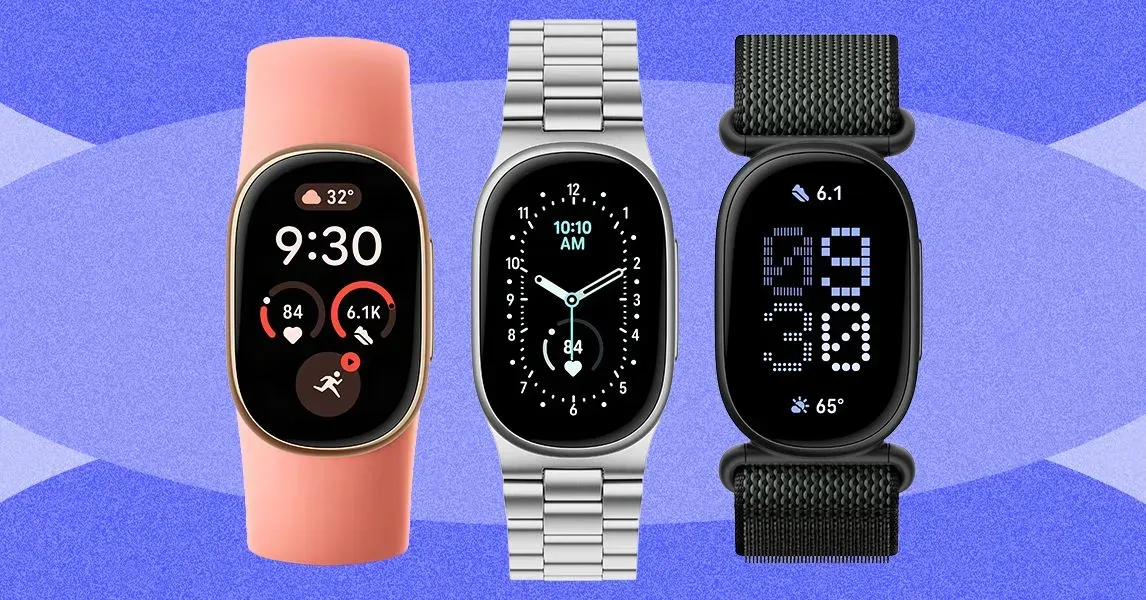
Google has launched a new wearable device that offers more advanced health metrics and workout tracking features compared to its predecessors. The Google Fitbit Edge boasts a bigger screen with adjustable brightness, catering to users who prefer a display on their fitness tracker. This latest model is also the first repairable tracker from Google.
Despite its improved features, some users may find certain aspects of the device finicky. For instance, the band fastening mechanism can be tricky to adjust, and the auto-pause function may be overly sensitive in some cases. Additionally, the Edge does not come with built-in Google Wallet capabilities.
The new wearable has been compared to other devices on the market, including the Fitbit Charge 6 and Google's Pixel Watch 5. At $180, it falls within a reasonable price range for those looking to upgrade their existing tracker or purchase one for the first time. This cost is higher than the screenless Fitbit Air but lower than more advanced smartwatches.
One of the main reasons users might opt for the Edge over other options is its ability to provide detailed health metrics and workout tracking features. These capabilities have been lacking in older models, making the new device an attractive choice for those seeking a high-end wearable experience.
For now, the Google Fitbit Edge remains a solid option for those looking to upgrade their existing tracker or purchase one with advanced features. However, it still falls short of convincing some users to give up their screenless alternatives like the Fitbit Air, at least in this reviewer's opinion.
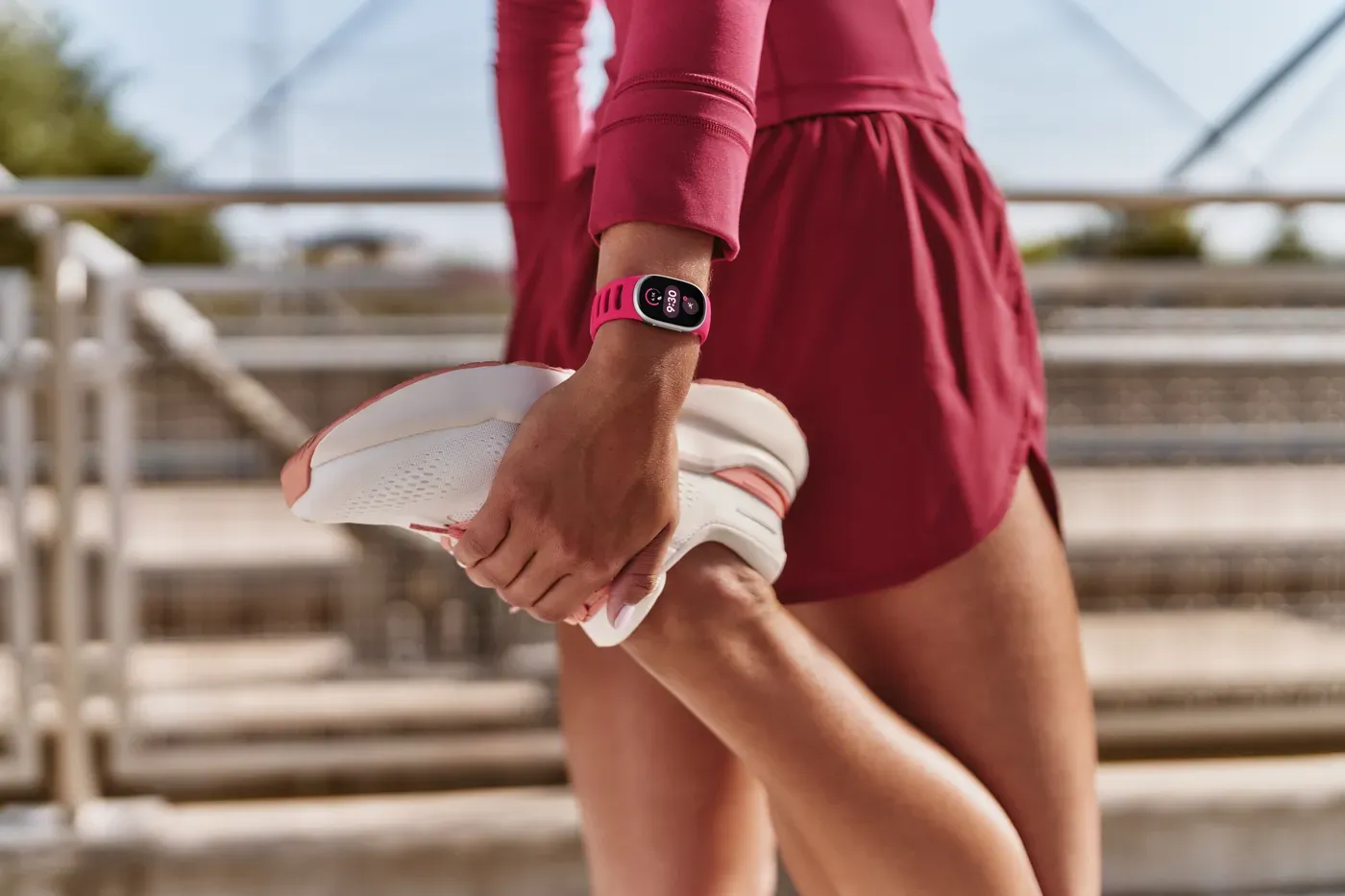
The Google Fitbit Edge's design has made a significant improvement in comfort levels compared to its predecessor. Its capsule shape fits more naturally on smaller wrists, making it a better option for those who find rectangular smartwatches too bulky.
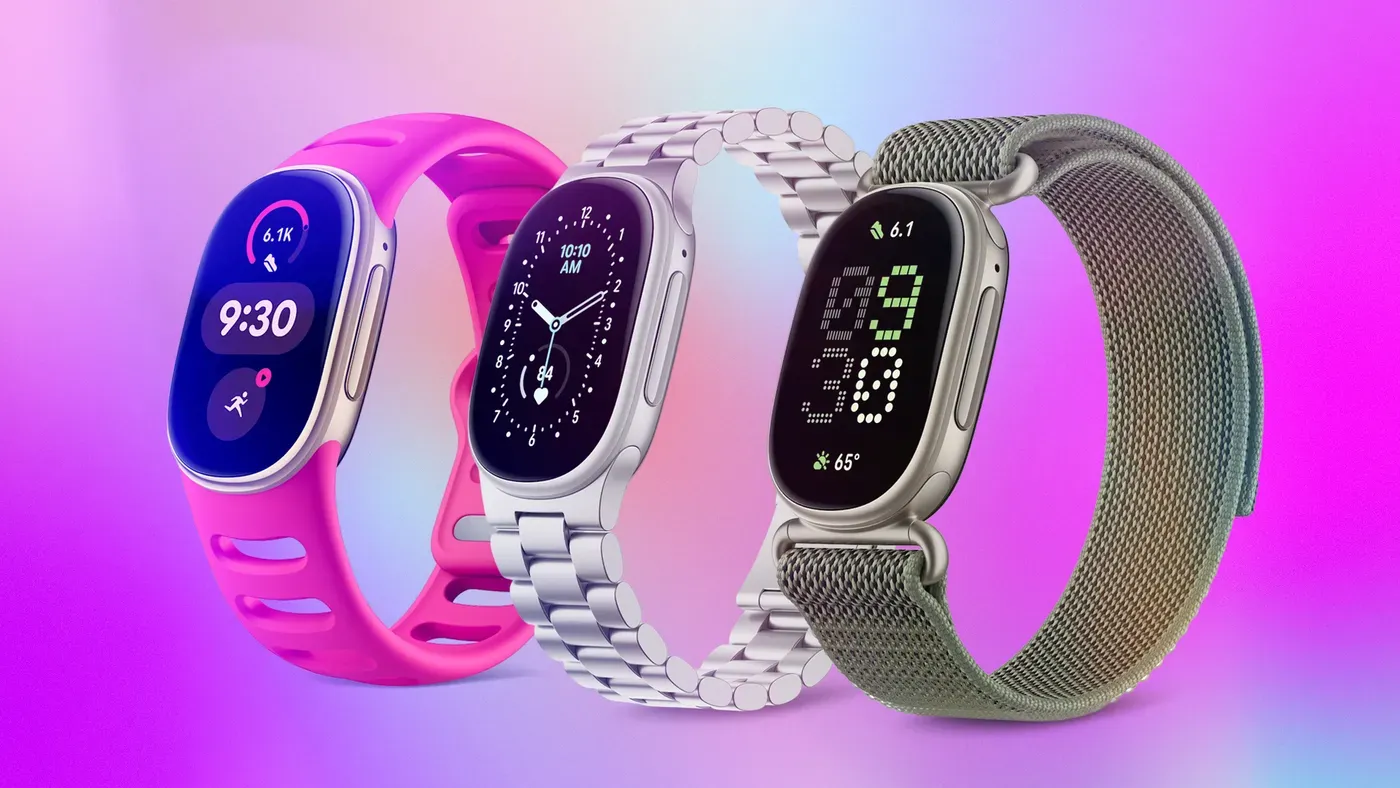
To enhance user experience, the Edge offers various band options that cater to different preferences and activities. The Active Band is included with the device but may not be the most favored choice among users. Other available bands include the HNBR Active Sport, Performance Loop, Magnet band, and Metal Links.
I found myself frequently switching between the Metal Links and Performance Loop bands due to their distinct advantages. The Metal Links offer a stylish look suitable for formal events or nights out, while the Performance Loop is ideal for everyday wear. However, I experienced some issues with the Performance Loop's fastening mechanism, which occasionally popped loose during adjustments.
The micro-adjustable fit of the Performance Loop makes it easy to achieve a precise fit, but it can also be easily over-tightened. This led me to notice that the locking button on my device had become stuck, requiring me to fiddle with the mechanism to resolve the issue.
Despite these minor issues, I found the Edge's band options to be versatile and convenient. However, the experience is still not enough to convince users to give up their screenless alternatives like the Fitbit Air.
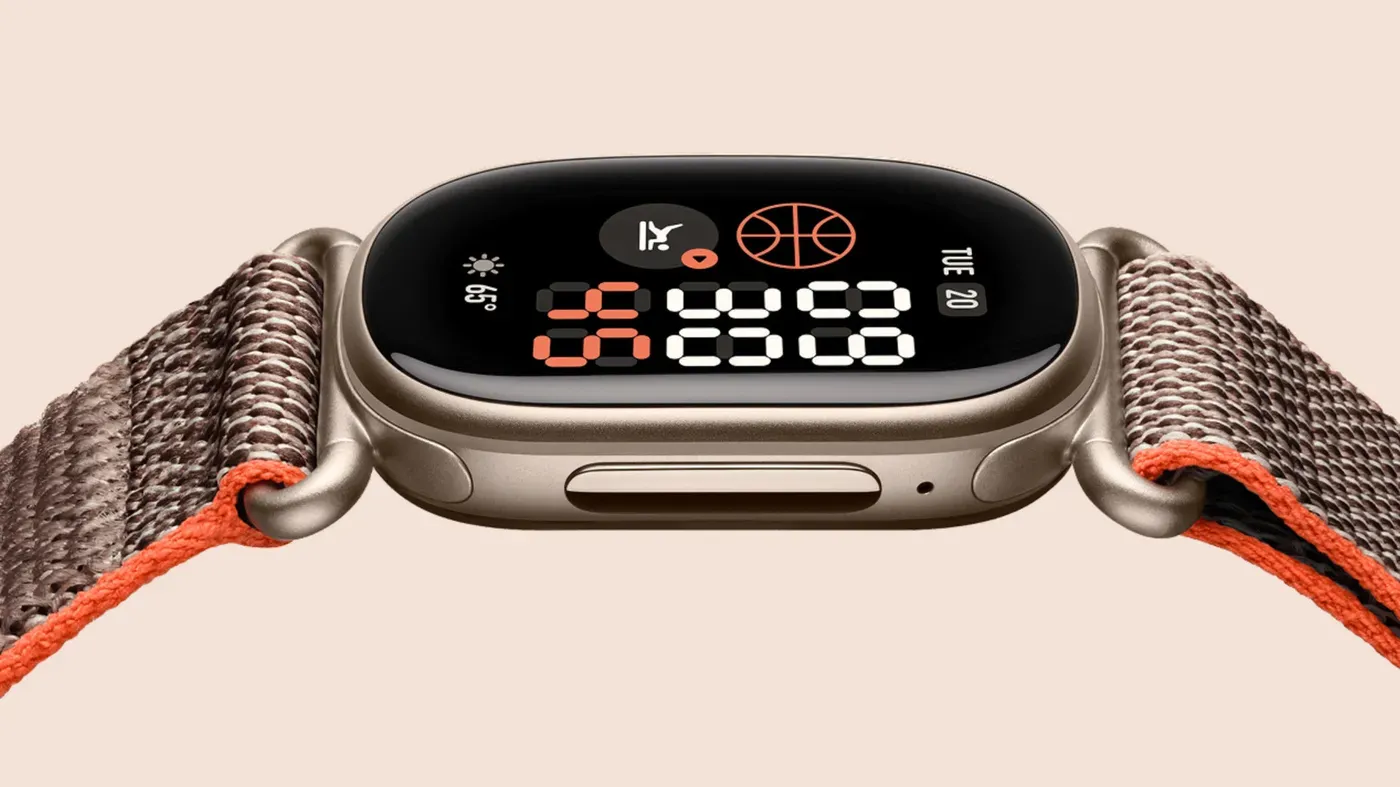
The display on the Fitbit Edge is its most notable feature compared to the screenless Air model. During workouts, I found it particularly useful to be able to check my metrics and control my music without having to slow down.
The ability to read the display in direct sunlight is also an improvement over previous models. The Edge's display reaches a maximum brightness that is roughly twice as high as the Charge's peak brightness, making it easier to view on-the-go.
One of the aspects where I prefer Wear OS is its more vibrant interface compared to Fitbit's offerings. However, Fitbit's software has some advantages, such as offering up to seven days of battery life, which surpasses what the Pixel Watch can achieve.
The Edge also boasts compatibility with both iOS and Android devices, unlike the Pixel Watch. Furthermore, it marks a significant milestone for Fitbit by being Google's first repairable fitness tracker, featuring modular construction including a replaceable battery.
The Google Fitbit Edge has incorporated several features aimed at long-term health tracking, mirroring some of its predecessors like the Pixel Watch 5 and Air. One notable addition is monthly blood pressure trends, which are also complemented by insulin resistance insights. Furthermore, the device now provides SpO2 readings with nightly averages, ranges, and changes over time for added context.
The Edge has also upgraded its heart rate monitoring capabilities to include 24/7 tracking, cardio load metrics, and an updated ECG app that can detect atrial fibrillation (AFib). Additionally, users who log their nutrition can view glucose insights if they're using a continuous glucose monitor (CGM).
Most features on the Google Fitbit Edge are locked behind the Google Health Premium subscription, which costs $10 per month or $100 annually. This means that without a subscription, users can only access core metrics and scores, but not the deeper analysis and AI coaching.
The premium membership is essential to unlocking the full potential of the device, with any new purchase coming with a three-month trial period. Buying into the subscription service allows users to view their data in greater detail and receive personalized recommendations for improvement.
The hardware on the Google Fitbit Edge has also been upgraded to include a barometric altimeter that measures elevation changes and floors climbed. This feature is accompanied by an IP68 rating, ensuring that the device can withstand dust and water exposure.
During testing, the gyroscope proved to be both beneficial and occasionally over-sensitive. Automatic activity recognition was improved, but there were instances where the Edge incorrectly paused or resumed workouts due to minor movements.
The Fitbit Edge's omission of contactless payments via NFC technology is noticeable compared to its predecessor, the Charge 6. This feature's absence might be puzzling for those who value convenience and seamless transactions on-the-go.
Despite some drawbacks, the Fitbit Edge boasts a robust design that will likely please existing Fitbit owners, particularly those familiar with the Charge series. However, newcomers may not find sufficient reason to upgrade, as the Edge doesn't significantly outshine its predecessor in terms of features or value.
The Fitbit Air remains an attractive option for those seeking a more affordable and feature-packed smartwatch experience, making it challenging for the Edge to stand out as a compelling choice.
Facts based on reporting originally published by Wired.
You may republish this story, in full or in part, if you credit News Central Site and link to it (licence CC BY 4.0). Photos are not included.