Whoop Secures $10 Billion Valuation After Raising $575 Million in Funding
A screenless fitness tracker company, Whoop, has secured a significant valuation after raising millions of dollars in funding.

Screenless fitness trackers have been around for decades, but their popularity has surged in recent times. One company that pioneered this category is Whoop, which launched its first tracker in 2015 and has since become a major player.
Whoop's success has not gone unnoticed, as the company recently secured a $10 billion valuation after raising $575 million in funding. This significant investment highlights the growing interest in screenless health trackers, but it also means that Whoop is now facing increased competition from other companies such as Garmin and Amazfit.
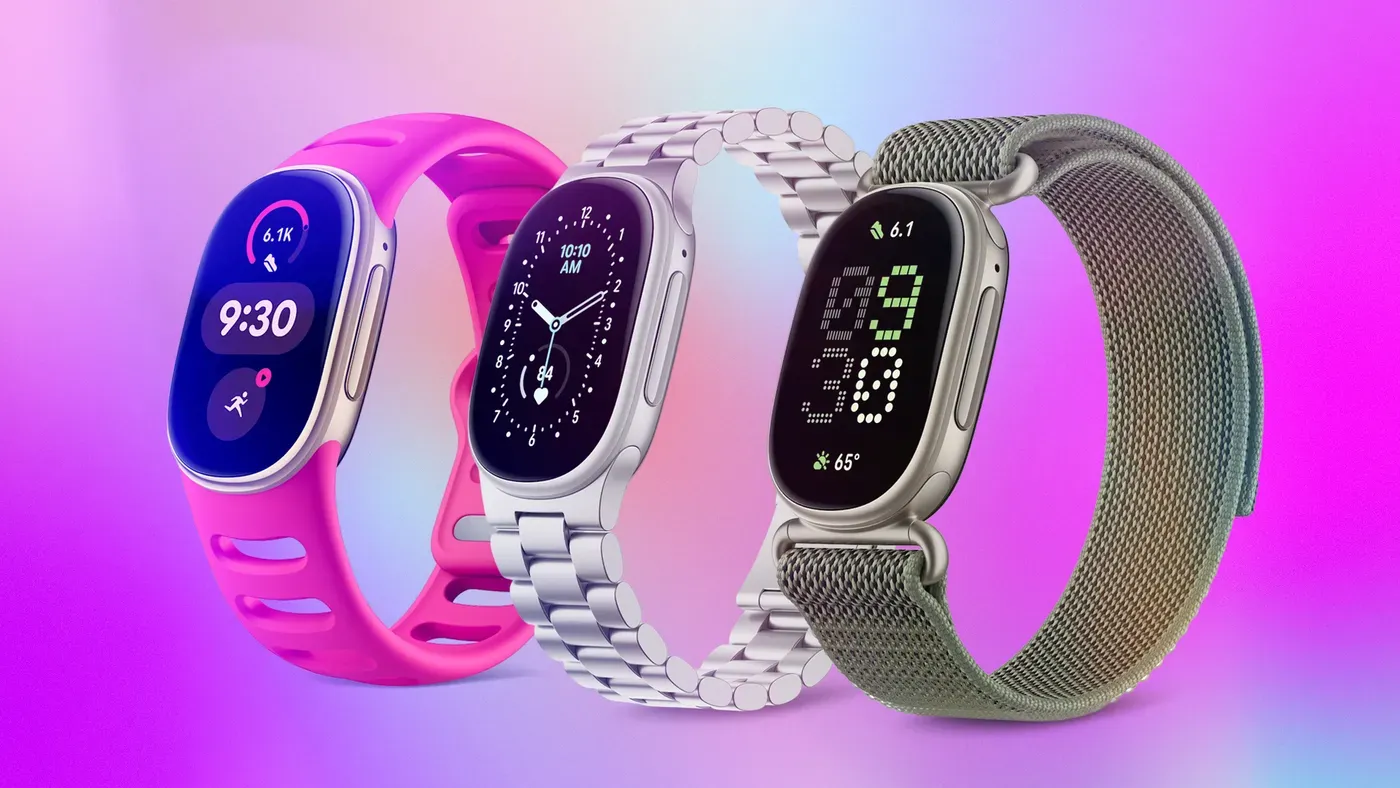
Google has entered the fray with its Fitbit Air, which bears a striking resemblance to Whoop's offerings. The timing of Google's announcement on March 31 coincided with Whoop's funding news, sparking speculation about whether it was intentional or just a coincidence.
The Fitbit Air is not the only new player in this space, but it is one of the most notable entries so far. To help determine which device is best for consumers, we'll be comparing the features and pricing of both the Whoop MG and the Fitbit Air.
The battery life of the two devices differs significantly, mainly due to their size and design. The newer Whoop models, including the MG variant, have a longer lifespan of 14+ days, whereas the Fitbit Air's battery lasts up to seven days.
To mitigate this issue, users can opt for a wireless battery pack that attaches to the Whoop band, allowing for on-the-go charging without having to remove the device. However, this does add bulk to the user's wrist, which may be a consideration for some individuals.
The companion apps of both companies provide an abundance of data related to activities, sleep patterns, and vital signs. They also feature AI-powered assistants that can help users log meals, offer advice, and even create personalized wellness and workout plans.
In contrast, the Fitbit Air's Google Health app is designed with a more user-friendly interface, making it easier for average individuals to navigate and utilize its features. This could be an advantage for those who are not as deeply invested in health and fitness tracking.
The Fitbit Air and Whoop fitness trackers both offer unique subscription models that cater to different user needs. While the Fitbit Air allows users to access basic tracking features without a subscription, Whoop requires membership for full functionality. In exchange for a yearly fee, Whoop members receive hardware included in their package.
Membership fees vary depending on location, with Whoop One sold at $199 per year in select regions including the US, MX, CA, EU, and UK. However, outside of these areas, users are provided with a certified pre-owned 4.0 sensor and an Onyx Superknit Band as part of their membership.
The Fitbit Air offers a three-month trial to Google Health Premium, after which users can opt out or continue paying a small fee for access to premium features. In contrast, Whoop memberships start at $149 for the first year, increasing to $199 thereafter, with an option to pay $25 per month for those already subscribed.
The cost of Google Health Premium itself is also worth noting, as it will add $100 per year (or $10 per month) on top of the initial hardware cost. This adds another layer of expense for users who choose to access premium features through their Fitbit Air device.
The Fitbit Air offers basic health insights without requiring a subscription, making it suitable for everyday users or casual fitness enthusiasts. These individuals can still track their sleep patterns, daily activities, and vital signs, giving them a general idea of their overall well-being.
However, they will miss out on AI-driven features like personalized assistance, training plans, and access to workouts. This might not be a significant loss for those who simply want to monitor their progress and stay informed about their health. For instance, users can still log their daily walks and workouts without needing a subscription.
Google Health Premium is another perk that comes with certain Google AI subscriptions, such as Pro or Ultra. This benefit allows users to access more advanced features on top of the standard Fitbit Air functionality. In essence, even without a Whoop membership, users can enjoy some premium benefits through their existing Google services.
Whoop devices are positioned as high-end trackers, but they do not offer an option for purchase without a subscription. The sensors and app functionality in Whoop are comparable to those found in the Fitbit Air, albeit with more detailed data on strain and recovery metrics. This granular information can be particularly valuable for athletes who engage in intense activities.
Whoop's integration of licensed clinicians through video consultations is another notable feature, allowing users to receive professional guidance from anywhere. Additionally, Whoop has demonstrated a stronger ability to automatically detect various activities, which is beneficial for those who participate in strength training or high-intensity cardio exercises.
The Fitbit Air offers a more engaging AI Coach experience when paired with Google Health Premium, providing users with a conversational interface to log their daily activities and receive personalized advice.
This enhanced support is particularly useful for those who engage in strength training or high-intensity cardio exercises, as Whoop has demonstrated its ability to automatically detect various activities. Overall, the Fitbit Air stands out as the more affordable option for most individuals, making it a better value despite some of its limitations.
Facts based on reporting originally published by Engadget.
You may republish this story, in full or in part, if you credit News Central Site and link to it (licence CC BY 4.0). Photos are not included.