Global tech market loses over $1 trillion in value
The global tech market has experienced a significant downturn, losing over $1 trillion in value on Friday due to rising oil prices and subsequent inflation concerns.
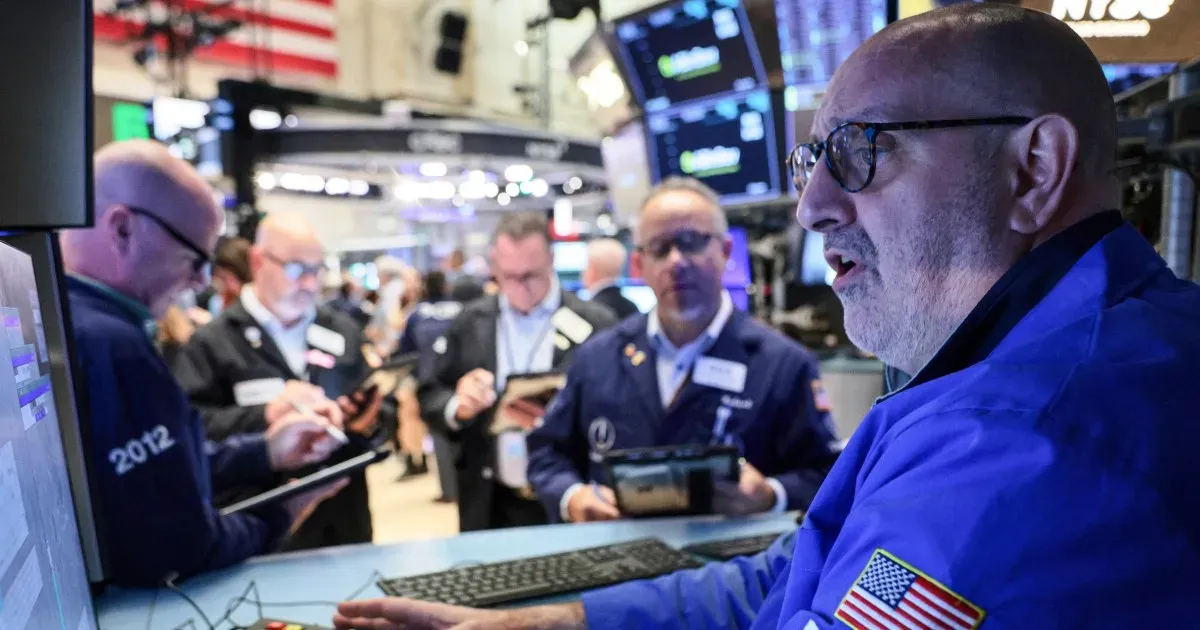
The global tech market has experienced a significant downturn, losing over $1 trillion in value on Friday. This steep decline is largely attributed to rising oil prices, which have reached their highest level since May.
Oil prices surged past $110 per barrel, marking a milestone that had not been seen since September. The West Texas Intermediate crude price also surpassed the $100 threshold for the first time since that month. As a result of these developments, investors are becoming increasingly concerned about the impact on inflation and interest rates.
The upward trend in energy prices is likely to put pressure on the Federal Reserve to raise interest rates further this year. This move would be aimed at curbing inflation, which had risen earlier due to higher oil and gas prices. Meanwhile, diesel futures also saw a significant jump of over 1% on Friday.
These economic indicators have led to a prolonged period of losses for tech stocks, with the market experiencing its eighth consecutive day of declines. This streak has not been seen since 2008, adding to investors' concerns about the current state of the global economy.
The global economy has been dealt another blow as oil prices surged to $110 per barrel, a level not seen since May. This rise in crude oil costs is having a ripple effect on other industrial sectors that rely heavily on diesel fuel.
One such sector is farming, where the cost of commercial diesel has skyrocketed even faster than regular gasoline over recent months. The increased price of this critical fuel is causing concern for farmers and agricultural producers worldwide.
The situation is further complicated by the ongoing conflict between Russia and Ukraine. Russia, a major exporter of diesel, has seen its refining capacity severely impacted due to Ukrainian attacks on energy infrastructure. This has led to a significant reduction in diesel production, exacerbating the global shortage.
Meanwhile, Europe's refineries are struggling to meet demand, with many operating at or near maximum capacity to produce as much diesel fuel as possible. The resulting supply chain disruptions have added to investors' growing unease about the state of the global economy.
The US midterm elections are just around the corner, but the impact of their outcome on fuel prices remains uncertain. Despite President Trump's efforts to lower diesel costs through various measures, prices have not seen a significant decline.
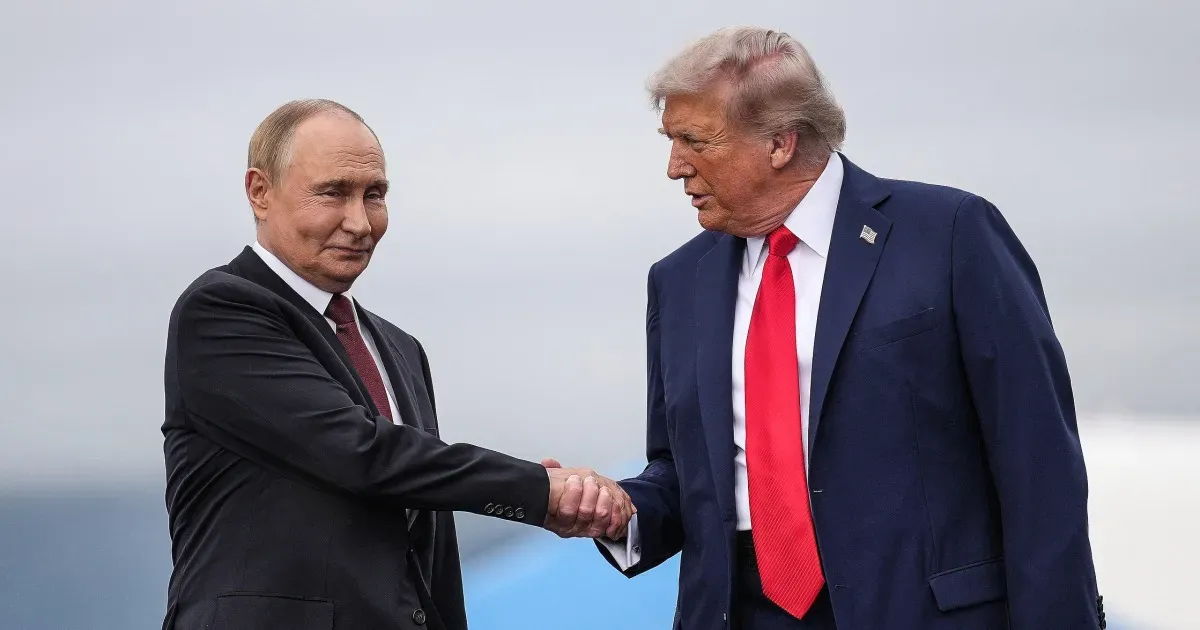
Meanwhile, Trump has been touting a deal with Russian President Vladimir Putin as a way to alleviate high fuel prices, but so far, no Russian diesel has actually reached the global market. This lack of progress has raised doubts about the effectiveness of this agreement in reducing costs for consumers.
A group of lawmakers has introduced a bill aimed at blocking Trump's Russian diesel deal, which is unlikely to pass in its current form due to Republican control of the House. However, polls suggest that Republicans may lose their majority after November's elections, potentially paving the way for Democratic-led legislation on this issue.
Analysts warn that investors remain concerned about further military escalation in the Middle East and rising inflation, which could push interest rates higher worldwide. This climate has not helped to ease concerns over trillion-dollar tech companies' massive borrowing and spending on AI development and data center construction.
The recent surge in oil prices to $110 has had a ripple effect on the tech industry, causing investors to reevaluate their bets on AI development and data center construction. The Nasdaq 100 took a hit on Friday, with Nebuius and CoreWeave being among the worst-performing stocks.
These two companies are part of a larger group of dozens that have taken on significant debt at high interest rates in an effort to rapidly expand their operations. This strategy has raised concerns about when these investments will yield returns for investors. The value of CoreWeave's shares has plummeted over 25% in just the past month.
Market analyst Ed Yardeni reduced his year-end S&P 500 target, citing rising investor caution and lingering doubts about inflation and higher interest rates. His revised forecast now stands at 7,900, down from 8,400.
Facts based on reporting originally published by NBC News World.
You may republish this story, in full or in part, if you credit News Central Site and link to it (licence CC BY 4.0). Photos are not included.