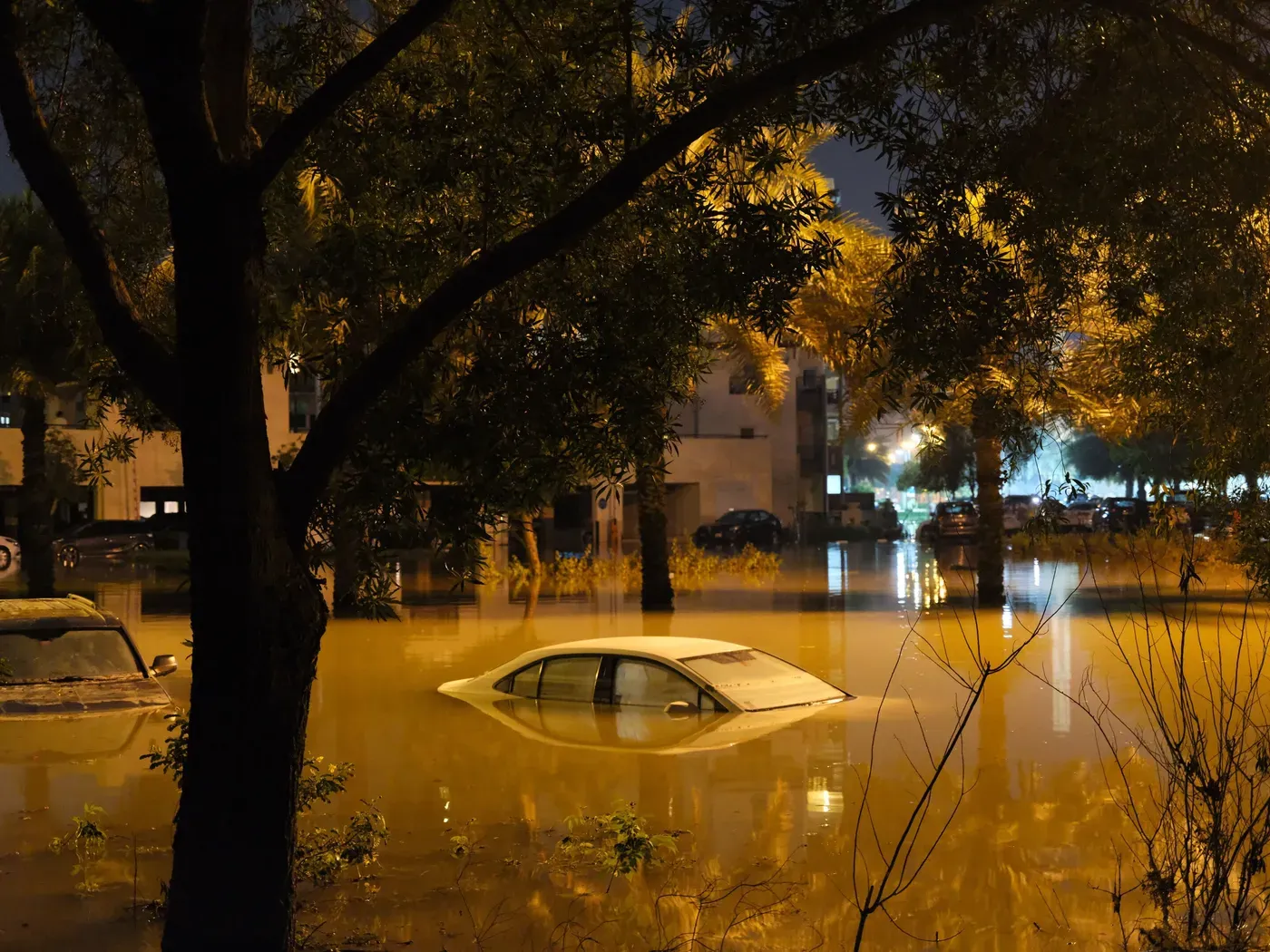
Flood-Prone Philippine Island Turns to Bamboo-Oyster Shell Barrier
Residents of Pamarawan island have attempted various methods to protect their homes from frequent flooding.
The tiny island of Pamarawan, located north of Manila in the Philippines, has been ravaged by frequent flooding due to strong storm surges and rising sea levels exacerbated by climate change.
For years, residents have attempted to protect their homes by constructing layers of concrete on top of one another, but these efforts have proven futile as floodwaters continue to threaten the island's 3,000 inhabitants. In desperation, they turned to a novel approach using bamboo poles and discarded oyster shells to build a barrier against the waves.
This unconventional method is part of a larger effort to find nature-based solutions to flooding in the Philippines, where public anger has been fueled by a multibillion-dollar scandal involving substandard or non-existent concrete flood-control projects. The issue has raised questions about the effectiveness and durability of traditional concrete structures in the face of increasingly frequent natural disasters.
Fisherman Edgar Javier recalled the terror he felt during typhoons, when strong waves would crash against his home's concrete walls, causing them to shake violently. He was among those who welcomed the introduction of the bamboo-oyster shell barrier as a more sustainable and effective alternative to traditional flood-control measures.
The project began with a study conducted by the city government of Malolos in collaboration with a Dutch engineering consultancy, which concluded that conventional concrete infrastructure would not be sufficient to address the island's flooding problems. Mayor Christian Natividad acknowledged that the initial lack of a blueprint for the project had sparked resistance from officials and residents, but he maintained that they had "nothing to lose" by trying something new.
The coastal residents of this Philippine island are taking matters into their own hands to combat rising sea levels, opting for a nature-based approach that's yielding promising results so far.
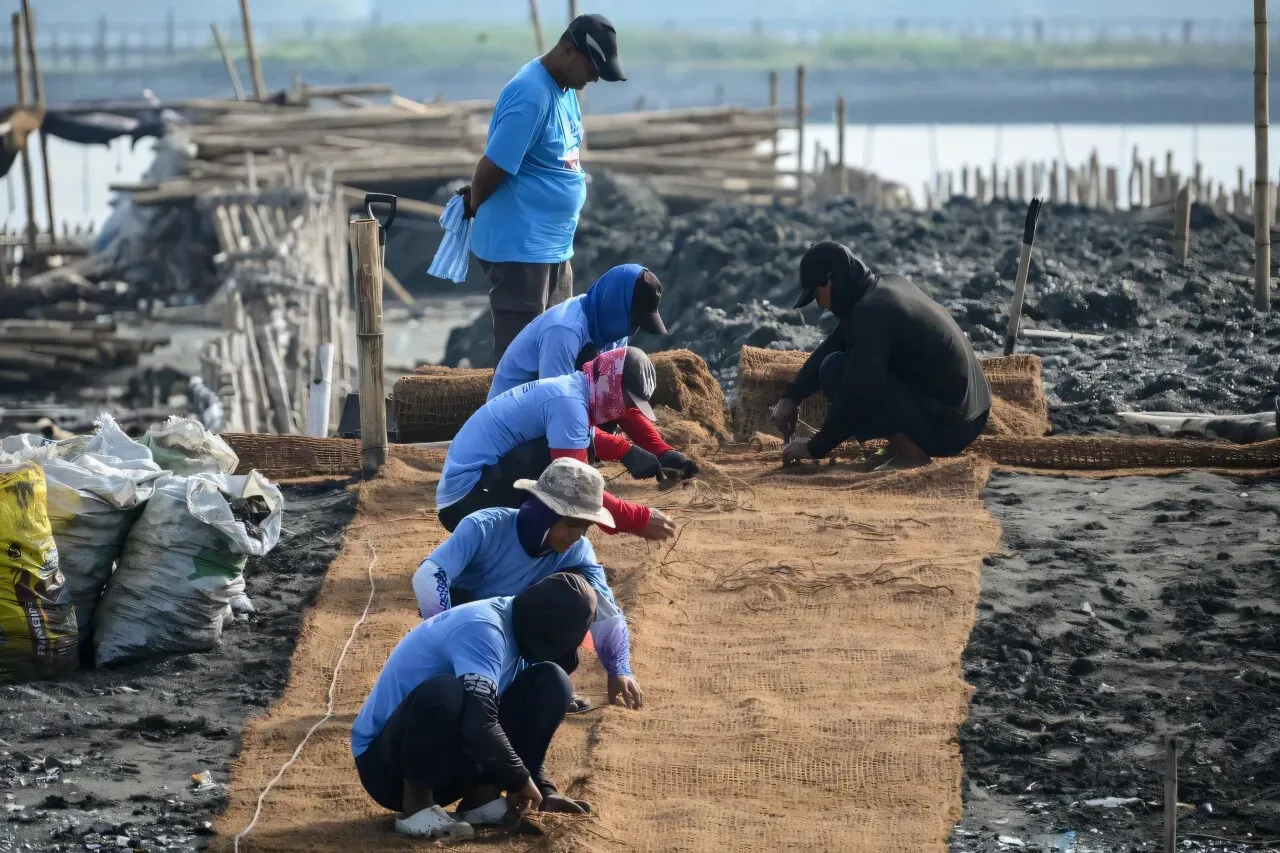
Workers have been installing bamboo poles packed with brushwood along the coast since last May, designed to slow down water flow and trap sediment. The goal is to gradually raise the seabed and support mangrove growth over time. This innovative method has shown some success in slowing down erosion.
The island's residents are also building an oyster-shell breakwater about 100 meters offshore, which aims to reduce the impact of waves on the community before they reach the shore. Under the scorching heat, workers were seen pounding wooden stakes into place to secure coconut-fiber bags filled with shells on a man-made beach created using sea sand.
The project's main objective is to mitigate the effects of wave action on the community, according to project manager Lyana Galang. She explained that the oyster-shell barriers work in tandem with bamboo sediment traps to protect the coastline from erosion and flooding.
However, not all experts agree that nature-based solutions are a panacea for coastal protection, particularly during extreme weather events. Filipino scientist Antonio Contreras warned that these approaches should be used in conjunction with conventional infrastructure, rather than as a replacement.
The innovative approach used to protect the island of Pamarawan from rising seas is being hailed as a potential solution for other communities facing similar challenges. However, experts emphasize that careful consideration must be given to local environmental conditions when replicating this method.
For instance, bamboo and oyster shells used in the nature-based installations will eventually deteriorate, releasing carbon into the environment. Therefore, it's crucial to source these materials sustainably to minimize their impact on the ecosystem.
The cost of constructing the nature-based barriers is significantly lower than building a concrete seawall, with a total investment of 70 million pesos ($1.1 million) that includes ongoing maintenance costs. In comparison, a traditional concrete seawall would require around 90 million pesos to build and maintain.
Replacing bamboo components every five years is also necessary due to their natural lifespan. This regular replacement will help ensure the effectiveness of the nature-based installations in protecting the island from flooding and erosion.
Residents have already begun to notice the positive effects of the nature-based barriers, which were completed in late 2025 as part of the first phase of the project. Fishermen, in particular, are appreciative of the reduced wave impact and improved flood control during typhoons and monsoon rains this year.
The long-term effectiveness of the Pamarawan project is uncertain and will be evaluated next year through a scientific assessment to determine if mangrove planting can commence.
As sediment accumulates on the seabed, it will stabilize the area and allow for the growth of mangroves, which will provide an additional natural barrier against rising sea levels. This process is expected to become more apparent over the next decade.
Vince Dizon, who previously headed the public works department before being reassigned, expressed hope that the Pamarawan project could be replicated in other areas prone to flooding. He emphasized the need for thorough research and study of successful projects to avoid wasting public funds.
The ultimate test of success will come when residents' homes remain standing during typhoons and monsoon rains, allowing them to continue living on the island despite the challenges posed by rising sea levels.
Facts based on reporting originally published by Phys.org.
You may republish this story, in full or in part, if you credit News Central Site and link to it (licence CC BY 4.0). Photos are not included.