Fisheries Study Finds Juvenile Loss Offset by Adult Survival Rates
A recent study has found that tropical fisheries may not suffer as greatly from catching juvenile fish as previously thought due to better survival rates among remaining young fish.
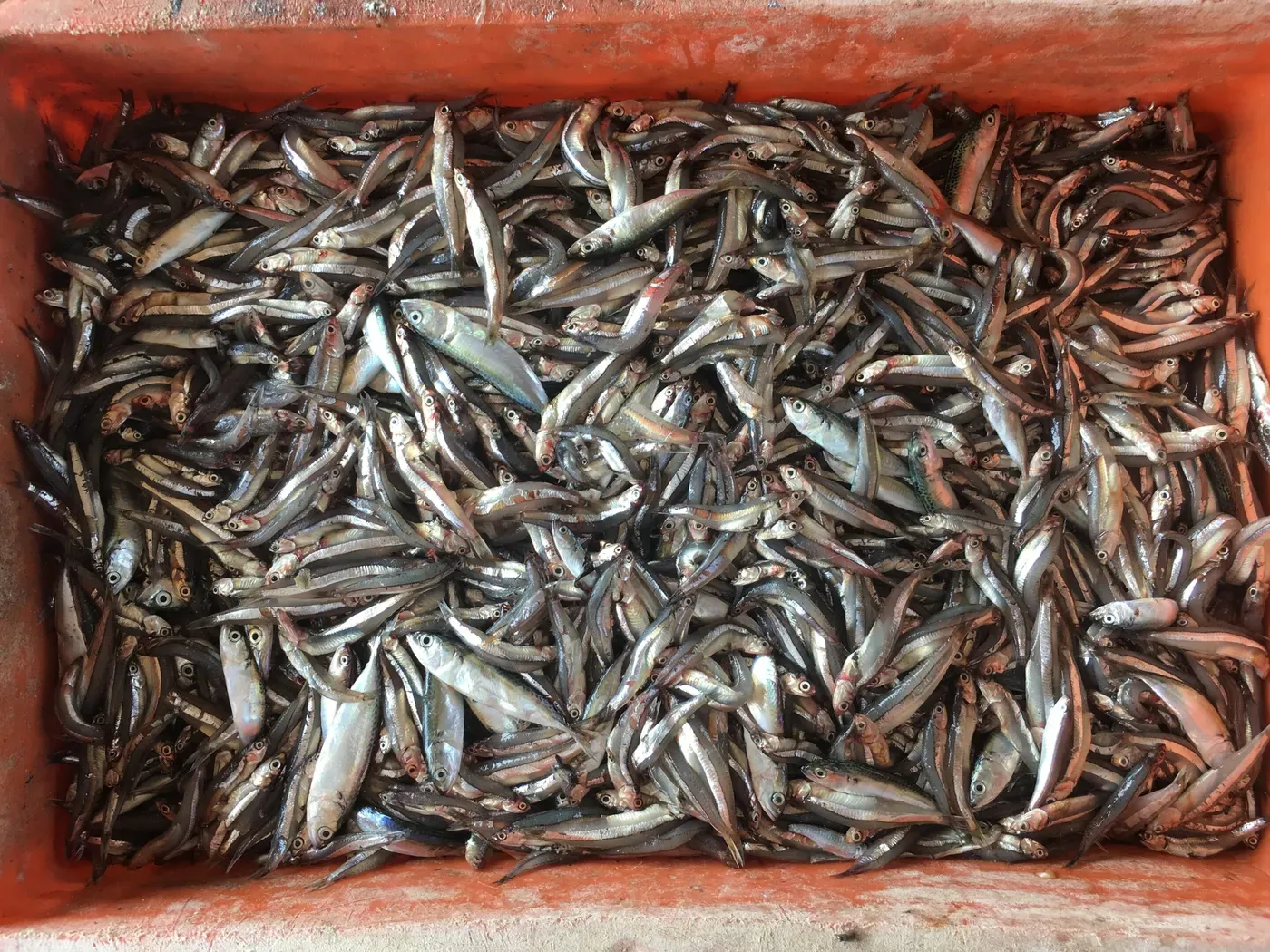
A recent study has found that tropical fisheries may not suffer as greatly from catching juvenile fish as previously thought. This is because the loss of juveniles could be offset by better survival rates among the remaining young fish in these ecosystems.
The concept behind this phenomenon is known as density-dependent mortality, where a smaller population size leads to reduced competition for resources and increased survival rates. Conversely, higher-density populations experience more intense competition, resulting in lower survival rates.
In tropical fisheries, previous research has been limited due to the complexity of their ecosystems. However, a new study conducted by researchers from Thailand's Department of Fisheries and Hokkaido University has shed light on this issue.
The study analyzed data collected through monthly surveys of trawl landings in the Gulf of Thailand from 2016 to 2023. These long-term records are rare worldwide, providing valuable insights into the composition of trash fish in tropical fisheries.
Researchers focused on the 25 most common taxa caught in these trawls, accounting for approximately 40% of total landings. By examining this data, they aimed to understand how density-dependent mortality affects juvenile populations in tropical ecosystems.
The findings of this study have significant implications for our understanding of tropical fisheries and their management strategies. However, the full extent of its conclusions will be revealed in the next part of this article.
The team's analysis involved estimating growth rates and calculating ages for various species of fish by measuring their length. This allowed them to track how many juveniles survived from one month to the next, enabling a test of whether a decrease in juvenile populations was offset by an increase in adult survival.
Their research found that 21 out of 25 species showed this pattern, with statistically significant results in 17 cases. The remaining four did not exhibit a clear trend. This means that for these species, the loss of juveniles may be mitigated by increased survival rates among adults, potentially cushioning the impact of catching juvenile fish.
The effect varied significantly from one species to another, and some showed no discernible pattern at all. While this might suggest that certain species are more resilient than others, it's essential to note that resilience has its limits and may be compromised under prolonged high fishing pressure.
The researchers emphasize that their findings do not imply that catching juvenile fish is harmless or that more can be taken without consequence. Some species' ability to compensate for early losses may eventually weaken if overfishing continues, making effective management crucial to maintaining healthy populations.
To address this complexity, the study suggests incorporating density-dependent mortality into overall assessment and management frameworks. This involves recognizing bycatch as a managed output, with stronger monitoring and rules based on fish size to safeguard long-term population health.
The study suggests that juvenile fish can be caught without severely impacting the long-term sustainability of tropical fisheries, thanks to the natural resilience of these ecosystems.
To achieve this balance, researchers recommend acknowledging bycatch as a managed output and implementing stronger monitoring and rules based on fish size to safeguard population health. This approach would take into account the varying ecological limits and species-specific vulnerabilities in different ecosystems.
Ultimately, a more nuanced understanding of balanced harvest strategies can be achieved by recognizing both ecological resilience and species-specific vulnerability, allowing for more effective conservation and management of tropical fisheries.
Facts based on reporting originally published by Phys.org.
You may republish this story, in full or in part, if you credit News Central Site and link to it (licence CC BY 4.0). Photos are not included.