Eggplant Producers in Central Côte d'Ivoire Use Different Farming Practices
A new study has found that eggplant producers in central Côte d'Ivoire use three distinct farming methods, which have varying levels of profitability.
A new study has shed light on the farming practices used by eggplant producers in central Côte d'Ivoire, a major hub for African eggplant production. The research, which examined how farmers manage fertilization, irrigation, and pests, found that different approaches have varying levels of profitability.
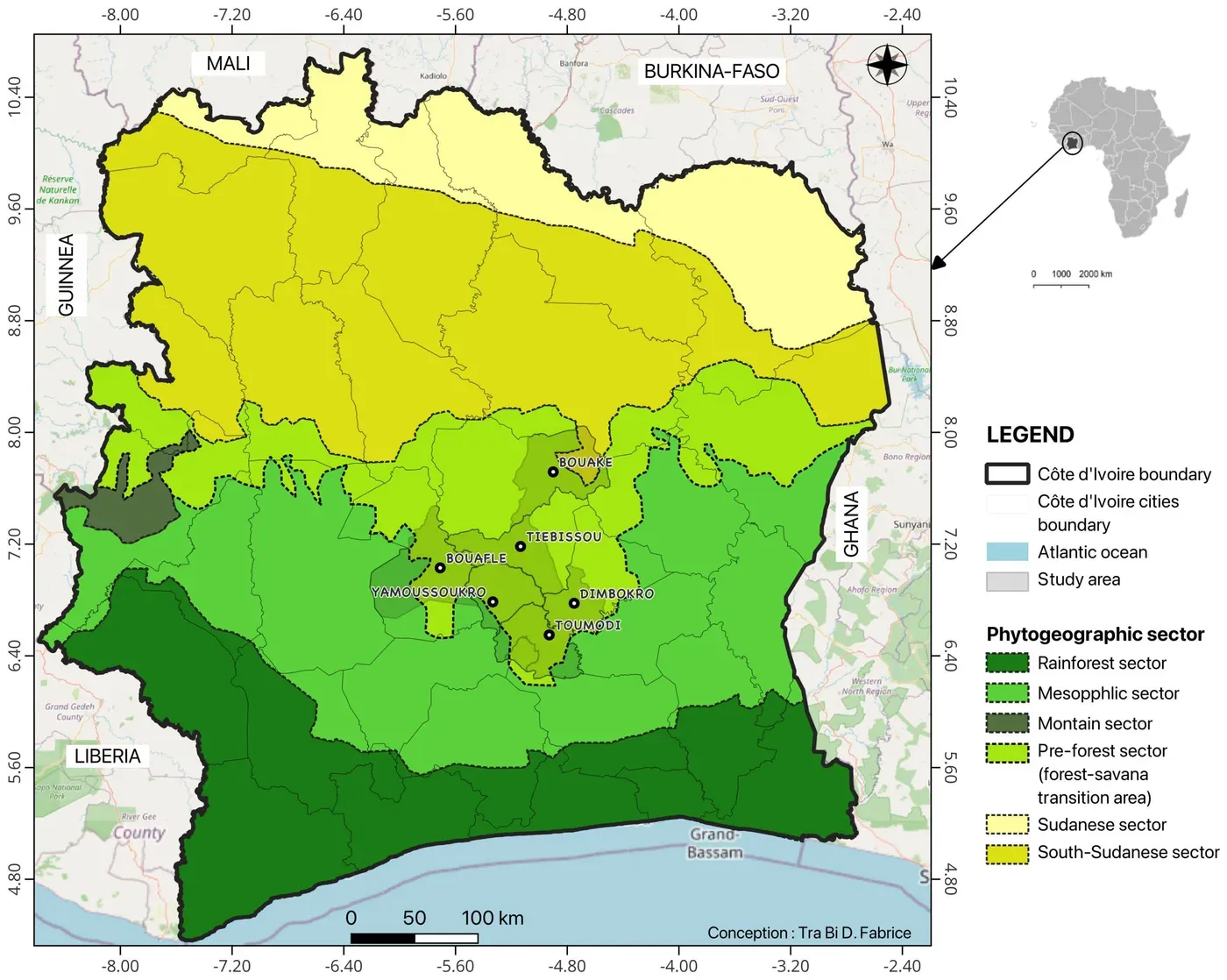
The study surveyed 272 eggplant producers in six towns across the region, grouping them by their on-field practices rather than farm size or capital. This approach revealed three distinct farming methods used by local farmers. The majority of producers follow an intensive system based on mineral fertilizer and regular pesticide applications.
About a quarter of the producers combine organic amendments with mineral fertilizer, while treating pests less systematically. This method appears to be a more sustainable alternative to the intensive approach. Meanwhile, a small group of farmers in the region have adopted a unique practice - growing a local variety of eggplant called Solanum macrocarpon on small rain-fed plots without using synthetic inputs.
The study found that these different farming practices have varying levels of profitability for farmers. The researchers are now analyzing data to determine which methods lead to higher yields and better income for producers. Their findings could provide valuable insights into improving the livelihoods of smallholders in this region.
Further research is needed to fully understand the impact of these farming practices on local ecosystems and the environment. However, this study has already highlighted the importance of considering sustainable approaches to agriculture in order to support the livelihoods of farmers and maintain ecosystem health.
The study found that eggplant farming practices in Côte d'Ivoire's forest-savanna transition zone varied significantly in terms of profitability and resource use.
The organo-mineral group, which used a combination of organic and mineral inputs, emerged as the most profitable approach. It generated higher yields and net margins than the intensive group, while requiring less expenditure on production costs. This was achieved despite farming smaller plots with more family labor.
In contrast, the input-free group earned the lowest returns per hectare but had the highest return on investment in terms of francs invested. Notably, this approach helped preserve local eggplant varieties that are no longer commonly grown in the region.
The study's findings suggest that effective management of inputs is crucial for achieving profitability in eggplant farming. The results also highlight the importance of considering the long-term sustainability of agricultural practices, particularly with regard to soil health and resource conservation.
Research has shown that certain eggplant farming practices can significantly impact crop yields and profitability. Intensive farming methods, which involve frequent watering and fertilization, tend to result in higher yields but also deplete soil nutrients and water resources.
The study highlights the importance of adopting sustainable agricultural practices to ensure long-term food security. By promoting more efficient use of resources and reducing environmental degradation, farmers can not only maintain productivity but also preserve natural resources for future generations. This approach is crucial for sustaining global food systems.
Facts based on reporting originally published by Phys.org.
You may republish this story, in full or in part, if you credit News Central Site and link to it (licence CC BY 4.0). Photos are not included.