Groundbreaking Discovery Made About Hydra oligactis's Reproductive Methods
Researchers have found that Hydra oligactis exhibits remarkable longevity under optimal conditions but ages rapidly when it encounters cold temperatures and switches to sexual reproduction.
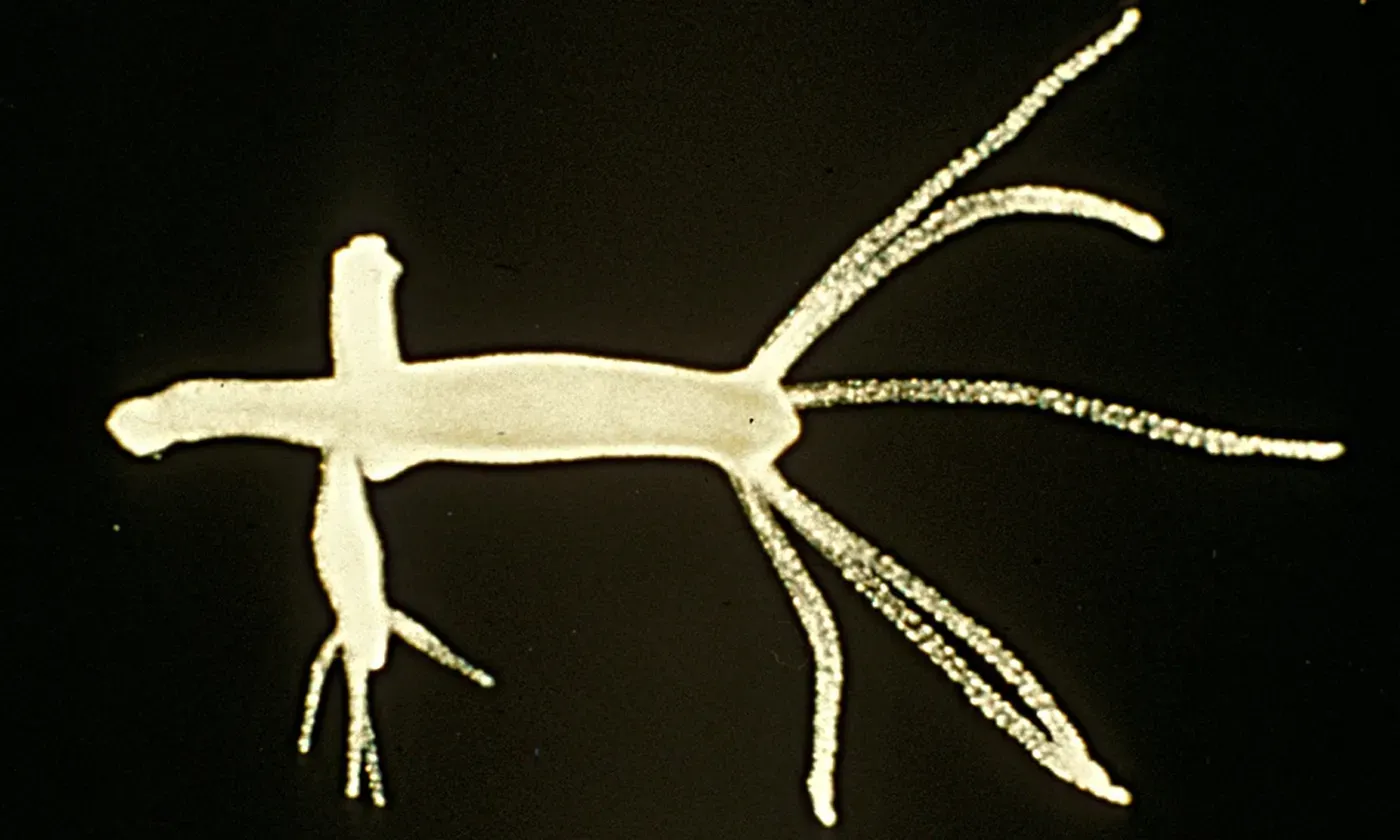
A groundbreaking discovery has been made about Hydra oligactis, a freshwater polyp that was previously thought to be immortal and reproduce solely through asexual cloning.
Under optimal conditions, Hydra oligactis exhibits remarkable longevity, but this trait is lost when it encounters cold temperatures, at which point the animal switches to sexual reproduction. This switch from asexual to sexual reproduction comes with significant consequences for the parent animal, as it begins to age rapidly and eventually dies.
Hydra oligactis's unique ability to adapt its reproductive method in response to environmental stressors has long fascinated scientists. When faced with extreme temperatures, such as those found in high-alpine lakes, this polyp can produce sperm or eggs, allowing its offspring to survive even the harshest conditions.
However, this adaptation comes at a cost for the parent animal. Unlike other Hydra species, which remain immortal regardless of environmental stress or reproductive method, Hydra oligactis experiences rapid aging when it switches to sexual reproduction in response to cold temperatures.
A team of researchers from the University of Innsbruck has been studying the metabolic changes that occur during this process, with a focus on understanding what triggers the shift from immortality to mortality. Their findings have shed new light on the complex relationships between environmental stressors and reproductive strategies in Hydra oligactis.
The researchers found a distinct biochemical signature associated with aging in Hydra oligactis, as indicated by the animal's metabolic profile. This profile revealed a pattern where certain metabolic products consistently increased or decreased over time, while others peaked at sexual maturity.
Notably, there were significant differences between male and female hydras in terms of their metabolic profiles. The study authors highlighted this finding, pointing out that data on female metabolism is often underrepresented in biomedical research.
The team also observed a decline in taurine levels as the hydras aged. Taurine is an essential amino acid for humans, and its supplementation had a surprising effect: it triggered an "anti-aging process" in the hydras, reversing their transition to sexual reproduction.
The findings on Hydra oligactis fit into the broader picture of aging research, which has shown that taurine levels decline with age in mammals. Furthermore, supplementing with taurine can extend healthy lifespan in these animals.
The metabolic profile also revealed a dramatic increase in uric acid production as the hydras entered sexual maturity and underwent massive controlled cell death, or apoptosis. This biochemical signature is characteristic of apoptosis and highlights the complex interplay between environmental stressors and reproductive strategies in Hydra oligactis.
The study's findings have significant implications for understanding the aging process in Hydra oligactis, a species that has long been of interest to researchers due to its remarkable ability to regenerate and potentially live indefinitely.
Despite its simple body structure, Hydra oligactis shares many genetic similarities with vertebrates, making it an attractive model organism for studying the fundamental mechanisms of aging. The study's use of metabolic signatures as a tool for investigating aging in Hydra oligactis has shed new light on this complex process.
The discovery that cold stress triggers a switch to sexual reproduction in Hydra oligactis is particularly noteworthy, highlighting the intricate interplay between environmental factors and reproductive strategies in this species.
Facts based on reporting originally published by Phys.org.
You may republish this story, in full or in part, if you credit News Central Site and link to it (licence CC BY 4.0). Photos are not included.