Ebola Outbreak in Democratic Republic of Congo Surpasses 5,000 Deaths
At least 10,351 people have been infected with Ebola, resulting in almost 50% mortality rate.
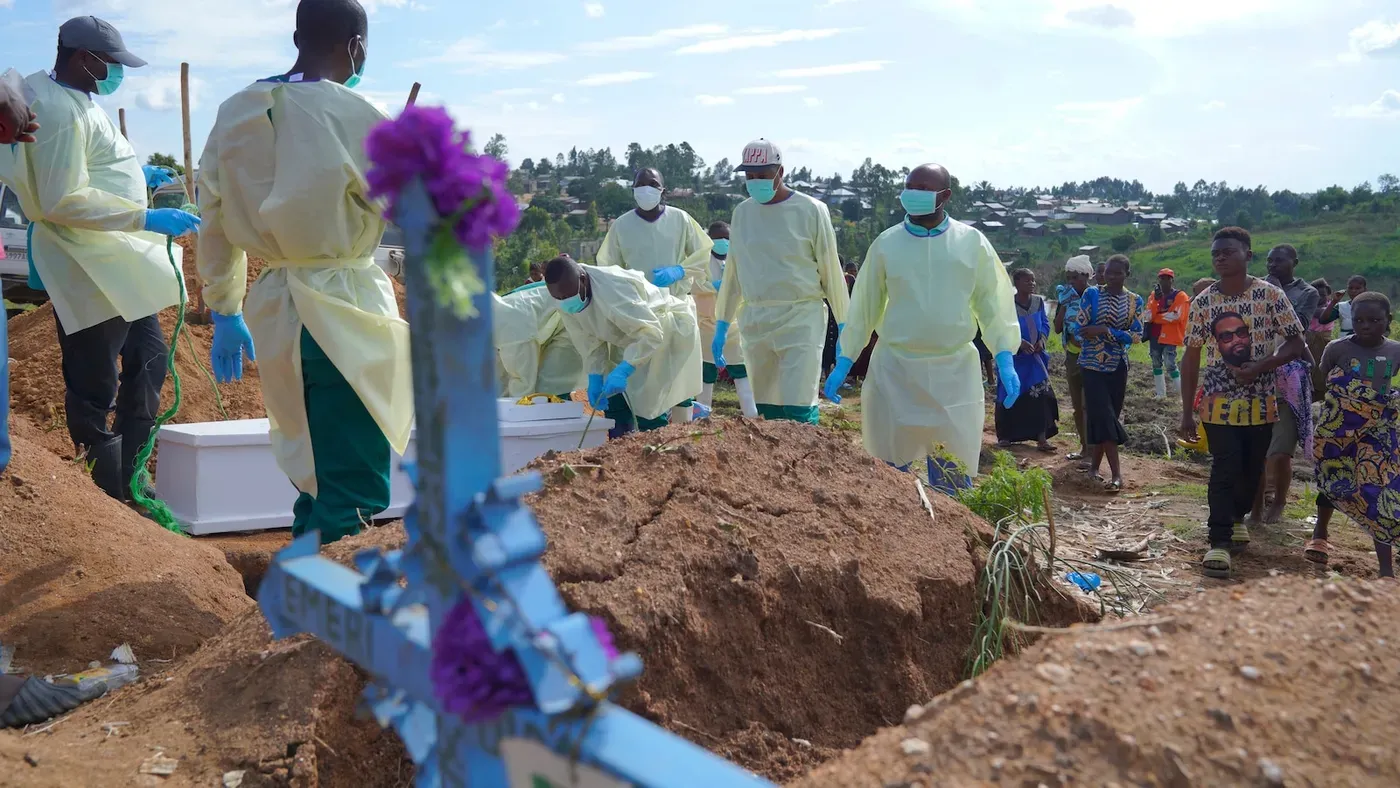
The Democratic Republic of Congo has surpassed 5,000 deaths in its ongoing Ebola outbreak, a grim milestone in the fight against the highly infectious and deadly virus.
According to data from the Congolese Ministry of Health, at least 10,351 people have been infected with Ebola, resulting in a staggering almost 50% mortality rate. The rapid spread of the disease has left healthcare officials scrambling to contain its impact, sparking concerns among experts about the government's ability to manage the crisis.
The current outbreak, caused by the Bundibugyo virus strain, was declared in mid-May and caught authorities off guard, forcing them to adapt their response strategies on the fly. The sheer scale of the outbreak has put immense pressure on local healthcare systems, which are struggling to cope with the influx of patients.
As the death toll continues to rise, international health organizations are sounding the alarm about the potential for Ebola to spread across the African continent, echoing fears expressed during a similar outbreak in West Africa between 2014 and 2016 that claimed over 11,000 lives.
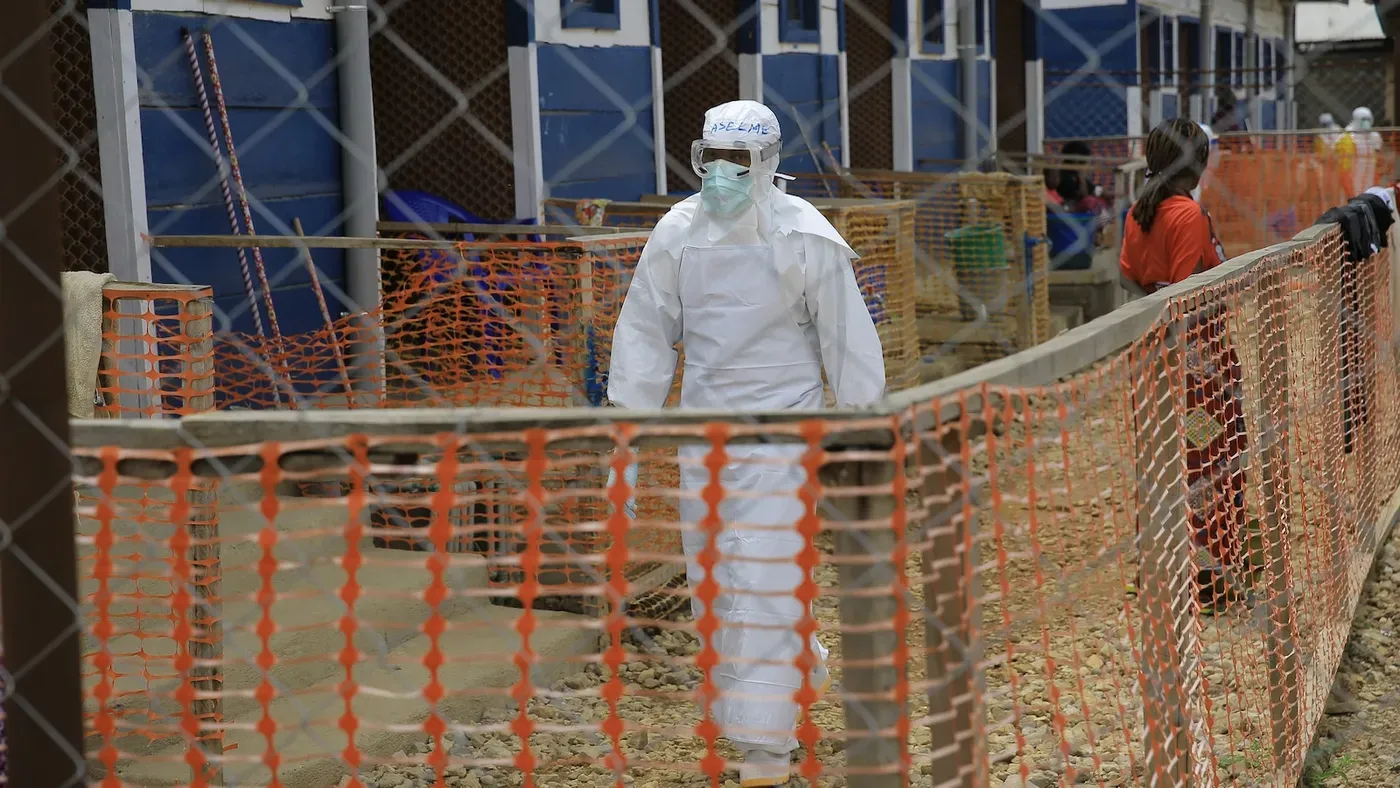
The Ebola outbreak in Congo has been marked by a significant number of cases and deaths. To date, 2,788 people have recovered from the virus, but the Bundibugyo strain has no known vaccine or treatment.
However, health workers are treating patients based on symptoms, which has become a crucial aspect of managing the outbreak. The disease has spread to 67 out of the country's 178 health zones in eight of its 26 provinces since May.
The eastern region of Congo has been particularly affected, with 9,782 total confirmed cases and 4,792 total deaths reported in Ituri and North Kivu provinces. These two regions have emerged as the epicenters of the outbreak.
Tracing contacts and testing are essential components in the fight against Ebola, but authorities are struggling to keep up with these tasks, allowing a significant number of new cases to go undetected.
The sheer scale of the Ebola outbreak in Congo is a major concern for health authorities, who are struggling to reach people early enough to provide them with a fighting chance at survival.
The complexity of the situation is compounded by ongoing conflicts in the region, which have created a challenging environment for healthcare workers to operate effectively. In the eastern part of the country, government forces are engaged in a longstanding struggle against various armed groups, including the M23 rebel group backed by Rwanda, and an Islamist insurgency led by the Allied Democratic Forces along the border with Uganda.
The presence of these conflicts has significantly hindered efforts to contain the outbreak, as healthcare workers face difficulties in accessing affected areas. Moreover, the population's widespread skepticism towards health measures has led to a series of attacks on medical personnel and facilities.
This lack of trust has resulted in tragic incidents, such as the killing of a nurse who was responding to an Ebola alert last week, and the murder of a politician from the ruling party in September after he advocated for health measures on the radio.
Health workers in the Democratic Republic of Congo have been forced to go on strike due to unpaid wages, causing disruptions at Ebola treatment centers across the country.
The latest incident occurred on Friday at an Ebola treatment center in Tchomia, Ituri, where staff downed tools demanding four months' worth of outstanding salaries. The facility currently has five confirmed Ebola patients and 10 suspected cases under care. Workers are struggling to make ends meet, with one striking employee stating that being able to feed their families had become a significant problem.
Similar situations have played out in other health zones, including Beni in North Kivu, where services at some treatment centers have effectively come to a standstill due to a lack of fuel and financial resources from the central government. An elected official in Beni has highlighted the dire situation, pointing out that cases are spiraling out of control as a result.
The outbreak is putting immense pressure on responders, including local communities who are also being stretched to their limits. According to Rose Tchwenko, Country Director for the DRC, Prosper Global, this strain is evident across Ituri and North Kivu.
The spread of Ebola continues to pose a significant threat to regional health authorities, with multiple countries now reporting cases.
Kenya has confirmed eight cases of Ebola, resulting in two fatalities, while Nigeria reported its first case, which was subsequently evacuated to Switzerland for treatment. This development marks the first time Ebola has been detected in three African regions, making the current outbreak the most geographically widespread on the continent.
The confirmation of cases in Kenya and Nigeria adds to concerns about a potential continent-wide spread of the disease, with Uganda already having reported cases earlier in the outbreak.
Facts based on reporting originally published by ABC News Health.
You may republish this story, in full or in part, if you credit News Central Site and link to it (licence CC BY 4.0). Photos are not included.