American College of Obstetricians & Gynecologists Issues New Guidance on Menopause Symptoms Management
The American College of Obstetricians & Gynecologists (ACOG) has updated its guidance on managing menopause symptoms, emphasizing hormone therapies and nonhormonal options.
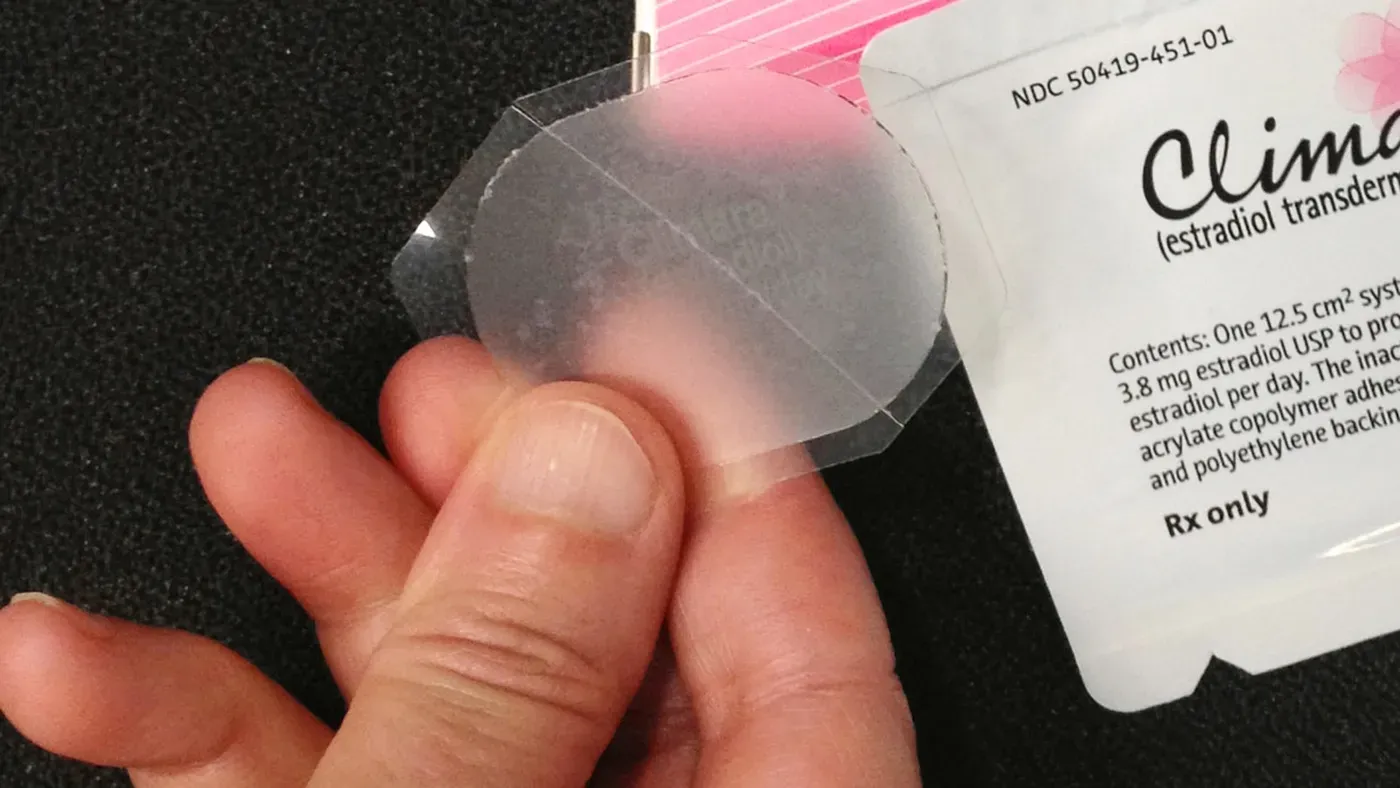
A leading OB-GYN group has issued new guidance on managing menopause symptoms for the first time in over a decade. The updated advice focuses on hot flashes, night sweats, sleep changes, and other disruptions that often accompany menopause.
The American College of Obstetricians & Gynecologists (ACOG) emphasizes the importance of hormone therapies in alleviating these symptoms. Many women are considering hormone treatments again after federal safety warnings were lifted.
To address concerns about supply, federal officials have been working to ensure a steady availability of hormone therapies. This comes as some women may be hesitant to seek treatment due to past controversies surrounding their use.
Nonhormonal options are also highlighted in the new guidance. Doctors recommend patients discuss their symptoms with an OB-GYN and advocate for the best course of treatment.
Menopause occurs when a woman has not had a menstrual period for 12 consecutive months, typically around age 50 in the United States. The transition leading up to menopause is called perimenopause, during which hormone production declines significantly.
Hot flashes and night sweats are common symptoms experienced by over half of women in menopause, according to ACOG. These vasomotor issues can disrupt sleep patterns for as many as two-thirds of affected women. Moreover, more than a third of perimenopausal and postmenopausal women worldwide report depressive symptoms.
Historically, many women have silently endured these symptoms without seeking medical attention. However, there is now a growing consensus among healthcare professionals that menopause symptoms should be treated.
Dr. JoAnn Manson, a professor of medicine at Harvard Medical School, agrees with this new approach. She believes that treating moderate to severe or bothersome menopausal symptoms can empower women to discuss their issues openly with their healthcare provider.
The American College of Obstetricians and Gynecologists' (ACOG) recent guidelines align with those issued by other medical organizations. According to Dr. Manson, hormone therapy should be the first line of treatment for these symptoms, provided it is suitable for each individual case.
A landmark study in 2002 raised concerns about hormone-based menopause treatments due to links to breast cancer and blood clots. However, subsequent research has shown that today's hormone therapies have a favorable risk-benefit profile for many women.
The FDA has continued to relax its stance on hormone therapies for menopause symptoms, following a significant shift in guidance last year. The removal of boxed warnings from over 20 hormone-based products containing estrogen and progestin has had a noticeable impact on their popularity.
Despite the renewed interest, some women have encountered difficulties obtaining certain doses or formulations of estrogen patches. This issue has not been widespread enough to prompt concerns about a nationwide shortage, according to FDA officials.
However, manufacturers have taken steps to address the growing demand by increasing production. They have added extra shifts and expanded production capacity, resulting in a doubling of output over the past year.
Experts like Dr. Stephanie Faubion welcome the renewed focus on hormone therapy as an effective treatment for hot flashes. As medical director at The Menopause Society, she emphasizes that these therapies are often the best option for women dealing with this symptom.
Low-dose vaginal estrogen therapy is another type of hormone treatment that has gained attention due to its localized application and limited systemic effects. It typically involves direct application to alleviate vaginal dryness, which can be a significant issue for some menopausal women.
Decisions regarding hormone therapy should be made jointly by healthcare providers and patients, taking into account a patient's age and medical history to weigh the benefits against potential risks.
Some individuals may choose not to take full-body hormonal medications due to their medical histories or conditions, or they might be advised by their doctors to avoid them altogether. In these cases, alternative treatments are available that can help alleviate menopause symptoms.
These alternatives include fezolinetant and elinzanetant, two medicines that target the brain's body temperature regulation center to block the source of hot flashes and night sweats. They work similarly but may offer distinct benefits for different patients.
Healthcare providers also suggest certain antidepressants as a way to manage symptoms like hot flashes and depression in individuals experiencing these problems. These medications can be used alone or alongside other treatments, such as non-drug therapies.
Non-drug treatments have shown promise in managing menopause symptoms, including cognitive behavioral therapy, mindfulness, exercise, clinical hypnosis, and acupuncture. These approaches can be employed individually or in conjunction with medication to provide comprehensive relief for patients.
Women experiencing menopause symptoms such as hot flashes now have more options to manage their discomfort. These alternatives can be used in conjunction with medication or on their own, providing a comprehensive approach to relief.
Experts emphasize that women should not be discouraged from seeking help for their symptoms, as there are various effective treatments available.
Facts based on reporting originally published by ABC News Health.
You may republish this story, in full or in part, if you credit News Central Site and link to it (licence CC BY 4.0). Photos are not included.