Indonesia Suffered Estimated 3,560 Deaths Due to Wildfire Pollution in September
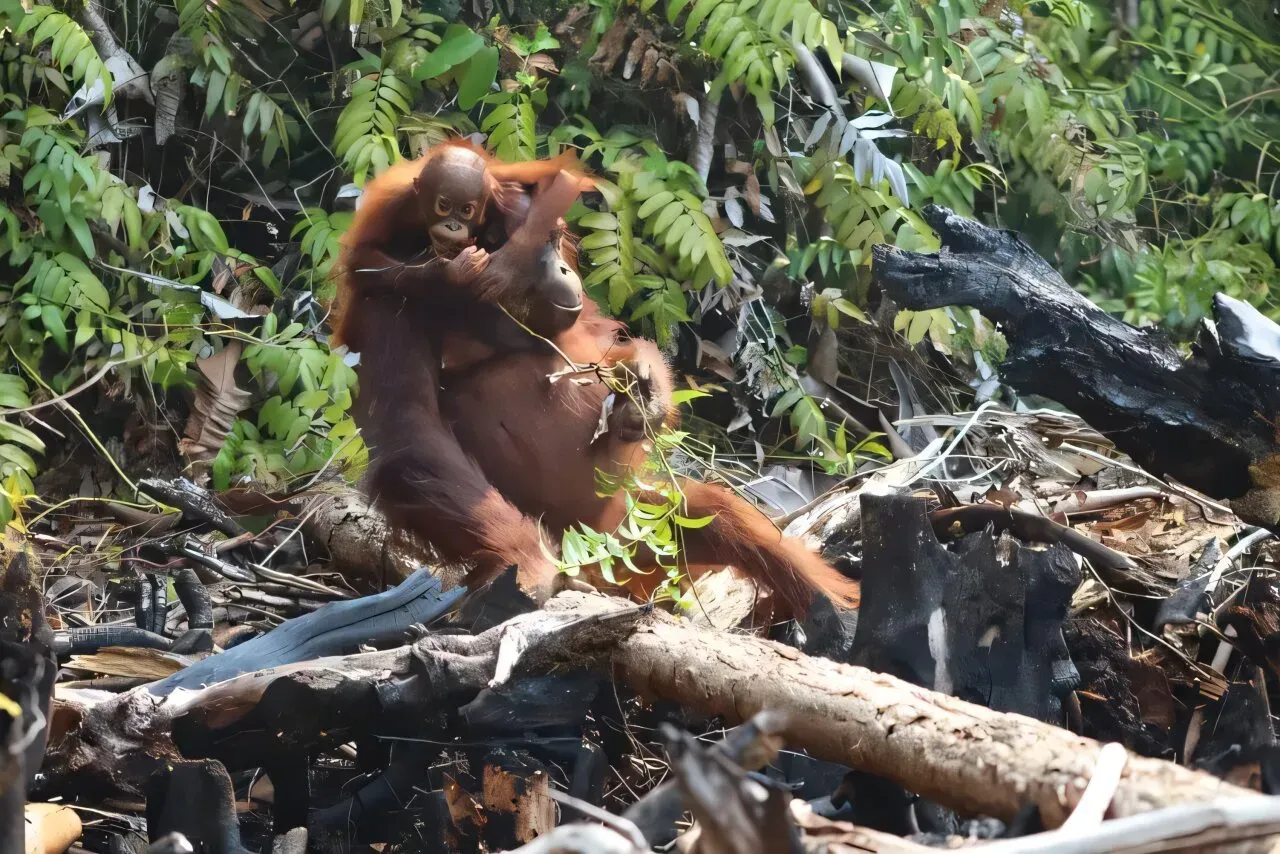
A new study has revealed that Indonesia suffered an estimated 3,560 deaths in September due to pollution from smoke emitted by wildfires across the country.
A new study has revealed that Indonesia suffered an estimated 3,560 deaths in September due to pollution from smoke emitted by wildfires across the country.
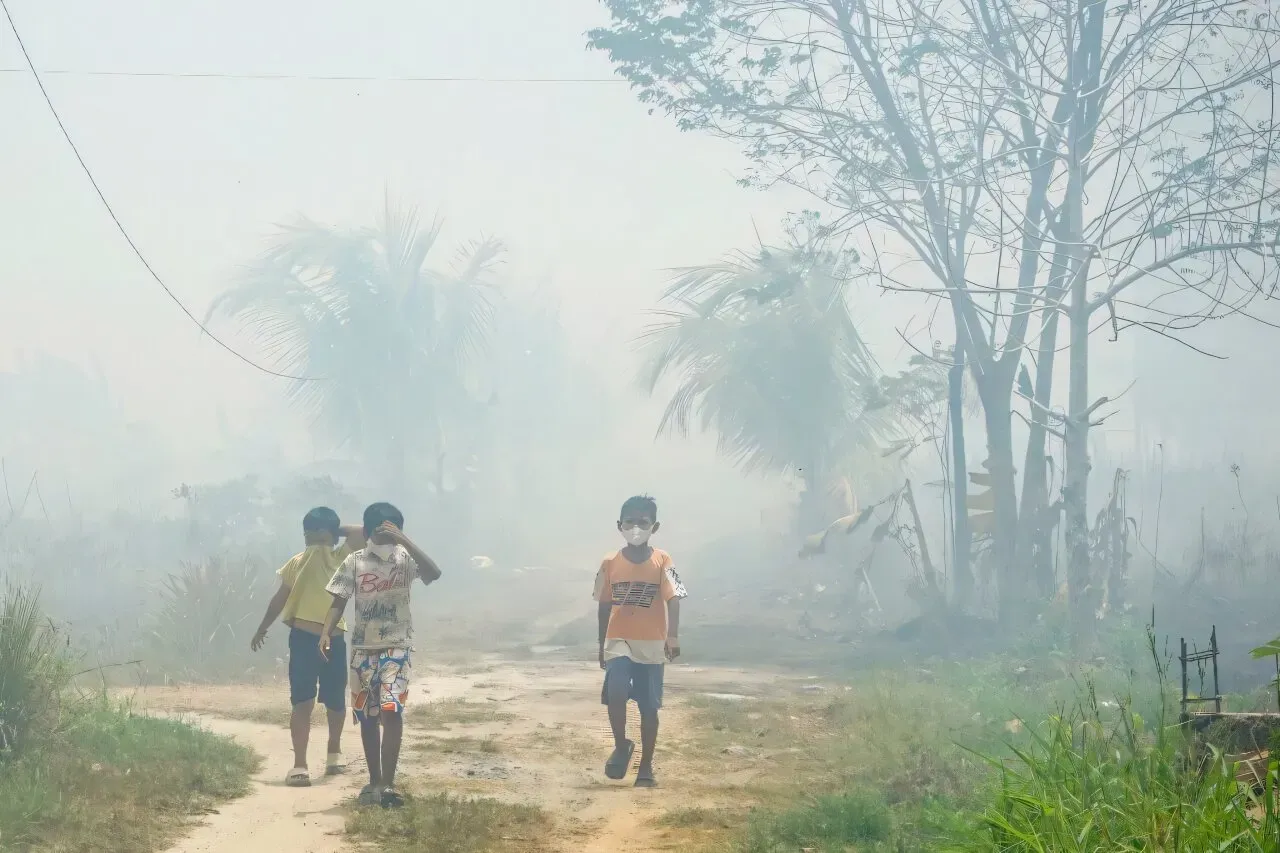
This alarming figure was made possible by months of devastating forest and land fires that blanketed the Southeast Asian archipelago with hazardous air. According to data released by the Centre for Research on Energy and Clean Air (CREA), a Helsinki-based think tank, approximately 57.8 million people in Indonesia were exposed to unhealthy to hazardous air conditions during this period.
The CREA study estimated the number of deaths caused by short-term exposure to PM2.5 pollution, which are small particles that can penetrate deep into the lungs or bloodstream and have been linked to a higher risk for illness and premature death by the World Health Organization.
This increase in deaths is not surprising given the severity of the air quality crisis in Indonesia during September 2026, with CREA highlighting a twofold rise from their August estimate.
Most of the estimated deaths attributed to fire pollution in Indonesia occurred on Borneo island, particularly in the eastern part of the country, as well as on Java and Sumatra islands.
The researchers also examined nonfire pollution from urban power generation, industry, and transportation, which contributed to an additional 1,750 deaths in September. This brings the total number of fatalities attributed to air pollution in the country to 5,310, out of a population of approximately 290 million people.
According to the report, exposure levels to PM2.5 particles exceeded the World Health Organization's annual threshold by a significant margin in September. Nationally, the threshold was breached by over seven times, while in Sumatra it was exceeded tenfold, and an alarming twenty-four times in Kalimantan on Borneo.
The severe air pollution has led to a surge in acute respiratory infections across the country, with more than 330,000 cases recorded nationwide.
The devastating impact of Indonesia's wildfires continues to unfold, with experts attributing the majority of the blame to slash-and-burn land-clearing practices carried out by companies in the timber, palm oil, and mining sectors.
On the island of Java, where Jakarta is located, a significant portion of air pollution-related deaths were not caused by the fires themselves. According to the CREA report, between 73% and 80% of these fatalities, totaling around 1,530 in September, can be linked to non-fire sources such as industrial activities, vehicle emissions, and waste burning.
This stark reality highlights the danger posed by air pollution from sources other than wildfires. As one expert pointed out, these non-fire pollutants are just as hazardous as smoke from burning forests and peatlands.
The government's preparedness for disaster management has been criticized for being woefully inadequate, with budget cuts hindering the efforts of the national disaster management agency.
The CREA report has emphasized the need for Indonesia to transition from solely responding to wildfires to restoring peatlands that have been drained and made vulnerable to fires.
This shift in approach must be accompanied by strict enforcement of laws against land clearing through burning, as well as increased accountability for companies operating on concession lands. This includes measures to prevent damage caused by their operations.
The government has defended its efforts to combat the fires, citing the deployment of over 72,000 personnel in cloud-seeding and firefighting operations, activation of more than 2,100 medical professionals in affected areas, and distribution of 5.3 million masks.
Facts based on reporting originally published by Phys.org.
You may republish this story, in full or in part, if you credit News Central Site and link to it (licence CC BY 4.0). Photos are not included.