Donald Trump's Influence Divides Republican Candidates
Republican Senate nominees in New Hampshire and Minnesota have distanced themselves from President Donald Trump's policies, while Maine's Senator Susan Collins has criticized his approach to Iran.
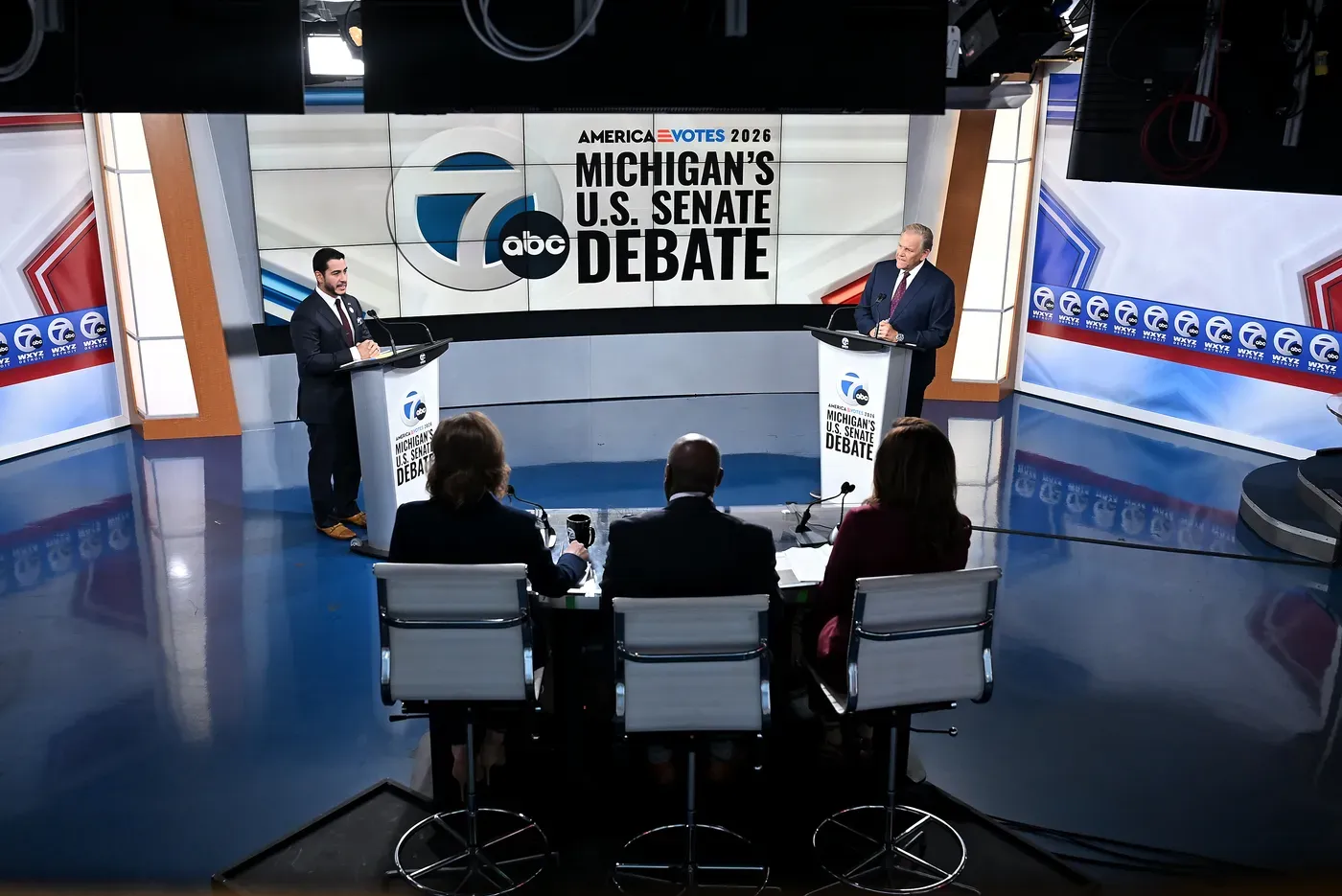
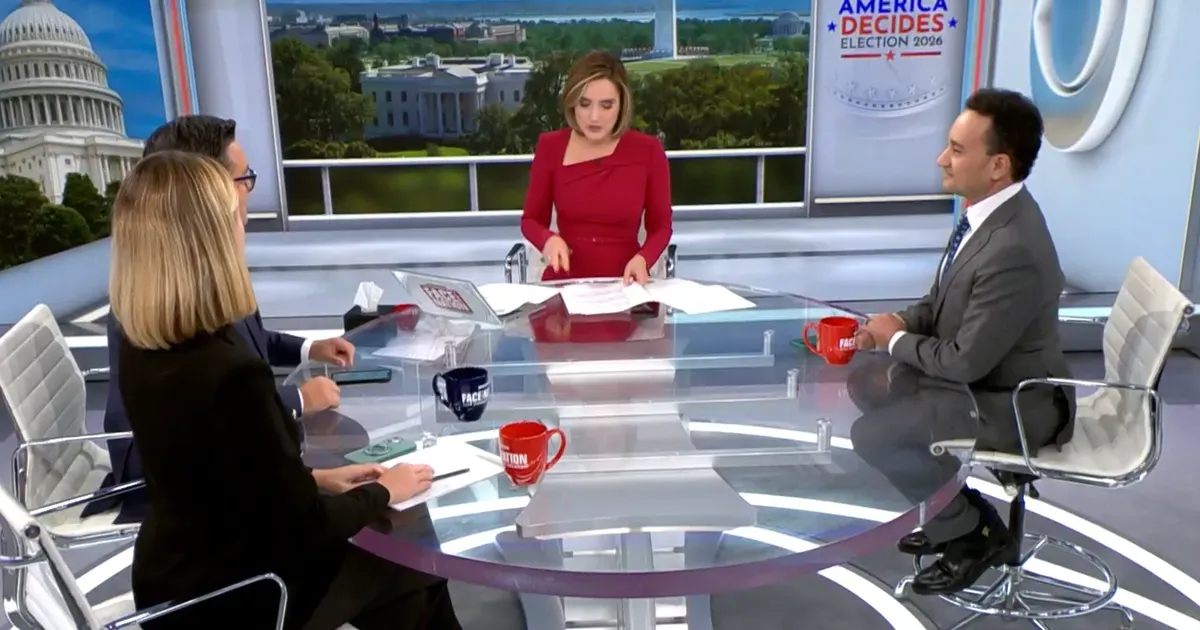
With just over a week left until Election Day, the majority of statewide debates have come to a close. The contentious discussions revealed a delicate balancing act for Republican candidates, who must navigate their loyalty to President Donald Trump amidst growing public dissatisfaction with his administration.
In an attempt to capitalize on this sentiment, Democrats consistently sought to tie their opponents to the unpopular president in debate after debate. However, Republicans did not always cooperate with this strategy, as several candidates opted to distance themselves from Trump's policies and actions. This move was particularly evident in blue states where Republican candidates felt compelled to assert their independence.
In New Hampshire, former GOP Senator John Sununu expressed his disconnection from the president, stating that he has "never met President Trump" and emphasizing his willingness to challenge party leadership when necessary. He specifically criticized Trump's policies on trade, Iran, and Ukraine. Similarly, in Minnesota, Republican Senate nominee Michelle Tafoya acknowledged her disagreements with Trump's tariff policy and immigration enforcement.
Tafoya also indicated a reluctance to associate herself directly with the president, responding evasively when asked if she would appear onstage with him. Her comment, "I am talking to Minnesotans. Theirs is the only endorsement that I care about," suggests a focus on local rather than national approval.
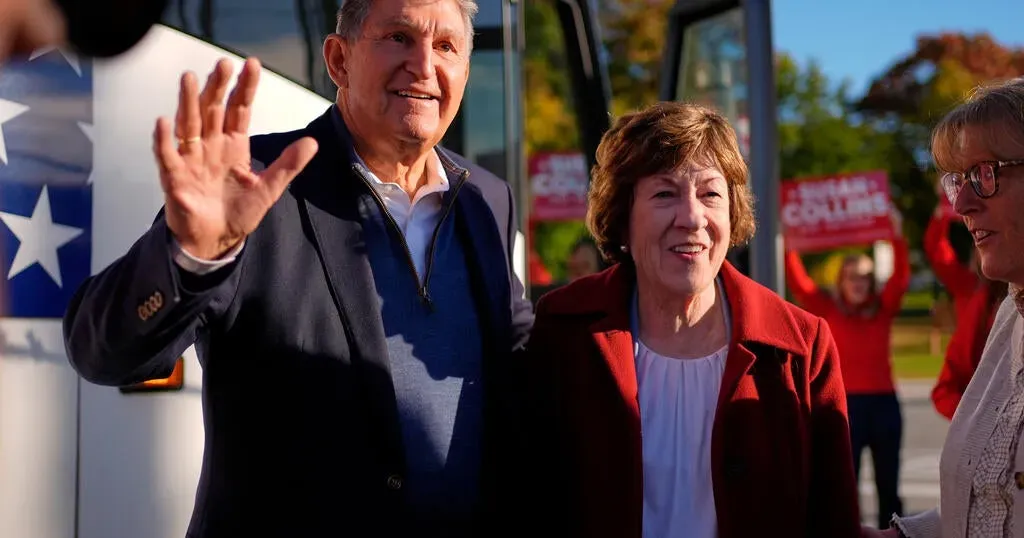
Maine's Republican Senator Susan Collins took aim at President Donald Trump's approach on Iran during a recent debate, emphasizing that she has voted against him over 100 times this year.
Meanwhile, Bobby Charles, the GOP nominee for governor and a former official in President George W. Bush's administration, distanced himself from Trump's policies. Some Republicans began to feel frustrated as their opponents repeatedly tried to tie them to the president.
The tactic was met with disdain by some candidates who felt it was an unfair attempt to paint them as beholden to Trump. Former Representative Bob Goodlatte lamented that his opponent was relying too heavily on mentioning Trump in their responses, likening it to a game of bingo.
In contrast, some Republican candidates in redder states showed a willingness to court support from Trump's base, acknowledging the importance of securing votes from his loyal followers.
Some Republican candidates in more conservative states have been eager to appeal to Donald Trump's loyal supporters by criticizing their opponents' policies. In a Senate debate early last month, one candidate pointedly linked inflation to their opponent's backing of the Green New Deal and "Bidenomics.
In contrast, some Democrats running in deep blue states took a decidedly different approach. Susan Collins, a Republican senator from Maine, distanced herself from Trump's hardline stance on trade policy by emphasizing her desire to end the ongoing conflict as quickly as possible.
Meanwhile, Democratic candidates across the country have been unanimous in their criticism of Trump's tariffs and their impact on local economies. In Iowa, one state representative warned that the tariffs had caused more harm than any other issue, while another candidate suggested that voters who appreciate record diesel fuel prices should support his opponent.
Several Republican candidates in Georgia have expressed their willingness to defend data centers against local opposition. Rick Jackson, a billionaire businessman running for governor, stated that he would stand up and defend it if voters were opposed to a data center being built in their area.
In other states, there is a growing consensus among politicians about the need for regulations on data centers. In Maine, both Senate candidates agreed that guardrails should be put in place to prevent data centers from increasing utility rates for local residents. This move is seen as a bid to address concerns raised by communities about the impact of these facilities.
In Iowa and New Hampshire, gubernatorial and Senate candidates have also weighed in on the issue. Both Democratic and Republican candidates in Iowa supported ending tax breaks for data center developers, while in New Hampshire, both Senate candidates agreed with GOP Gov. Kelly Ayotte's push for a statewide moratorium on new data centers.
GOP Sen. Chris Sununu of New Hampshire emphasized the importance of local decision-making when it comes to big infrastructure projects like data centers. He argued that these decisions should be left up to state and local leaders, rather than being dictated by the federal government or other external forces.
Sullivan's experience during a debate was a stark reminder that candidates can't rely on pre-prepared answers to navigate complex questions. His attempt to peek at Peltola's answer during a lightning-round question sparked laughter from the audience, highlighting the importance of being prepared for any scenario.
In another instance, Marshall faced criticism in Kansas when he spoke about his residence in both Kansas and Florida, prompting loud murmurs from the crowd with chants of you don't live here. Jackson jumped into the fray with a dismissive comment, which Collins later seized upon to paint him as a hothead.
Jackson's outburst sparked controversy, but he refused to back down, stating that he didn't regret his reaction. This moment has become a focal point in the campaign, with both sides using it to shape public perception.
In Iowa, Hinson took a different approach when answering a question about Social Security, instead choosing to criticize young people's saving habits, saying we also need to be talking about millennials saving money".
In several key states, Republican candidates have declined invitations to debate their Democratic opponents, bucking a trend that might be expected given the party's generally more combative approach.
Texas Attorney General Ken Paxton refused multiple debate invitations, including one from Fox News, despite encouragement from his party's standard-bearer. In contrast, Ohio Senate hopefuls are still trying to agree on terms for a debate, with no clear resolution in sight. Meanwhile, North Carolina is set to mark its first nearly 30-year absence of a major-party Senate debate without any scheduled showdown.
Democratic governors and nominees have also been reluctant to engage in debates, with Arizona's Katie Hobbs and Ohio's Amy Acton turning down invitations alongside Republican counterparts Greg Abbott of Texas and Tommy Tuberville of Alabama. According to Tuberville, who is running for governor against Doug Jones, the disagreement between them was so fundamental that debating would be pointless.
Facts based on reporting originally published by Politico.
You may republish this story, in full or in part, if you credit News Central Site and link to it (licence CC BY 4.0). Photos are not included.