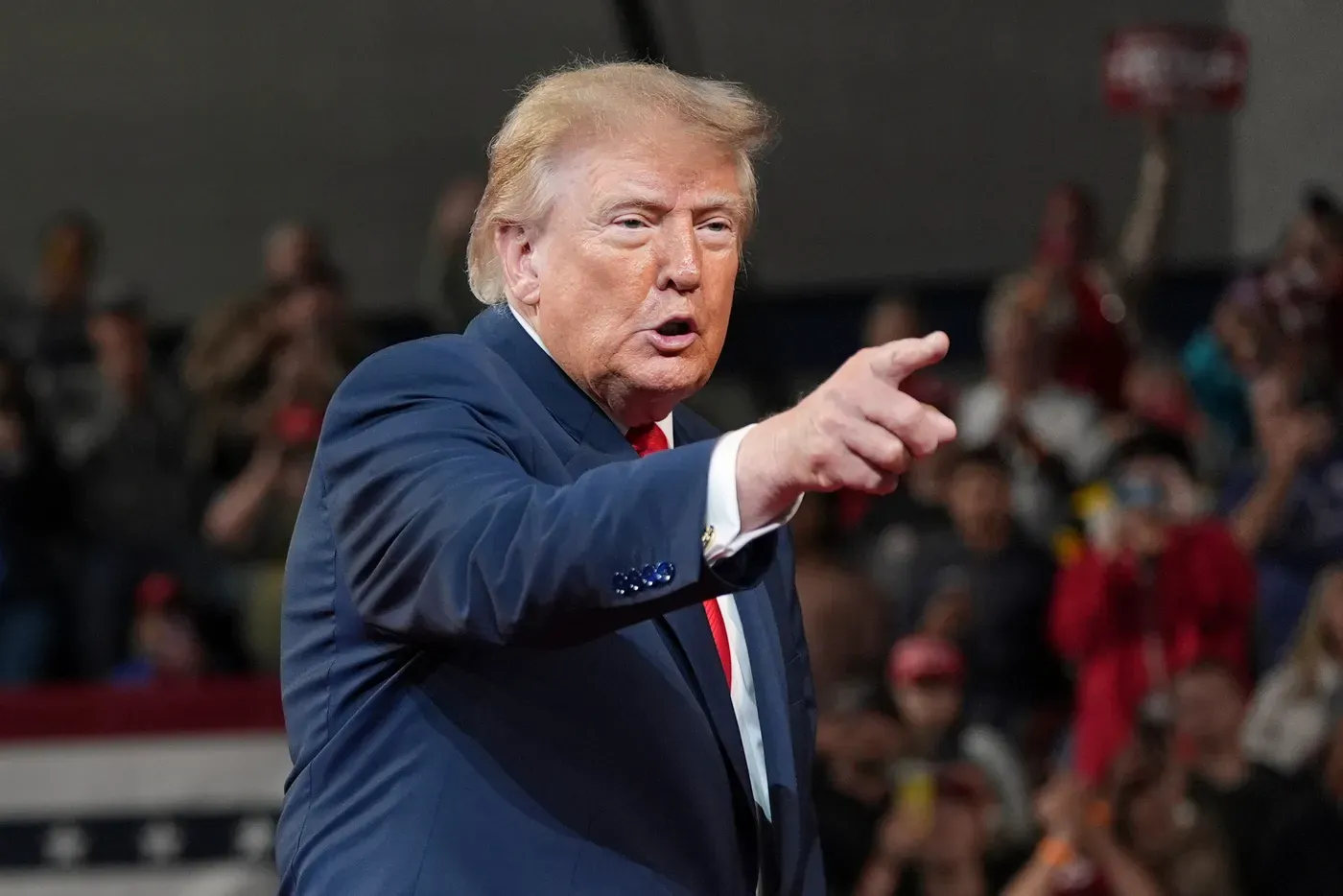
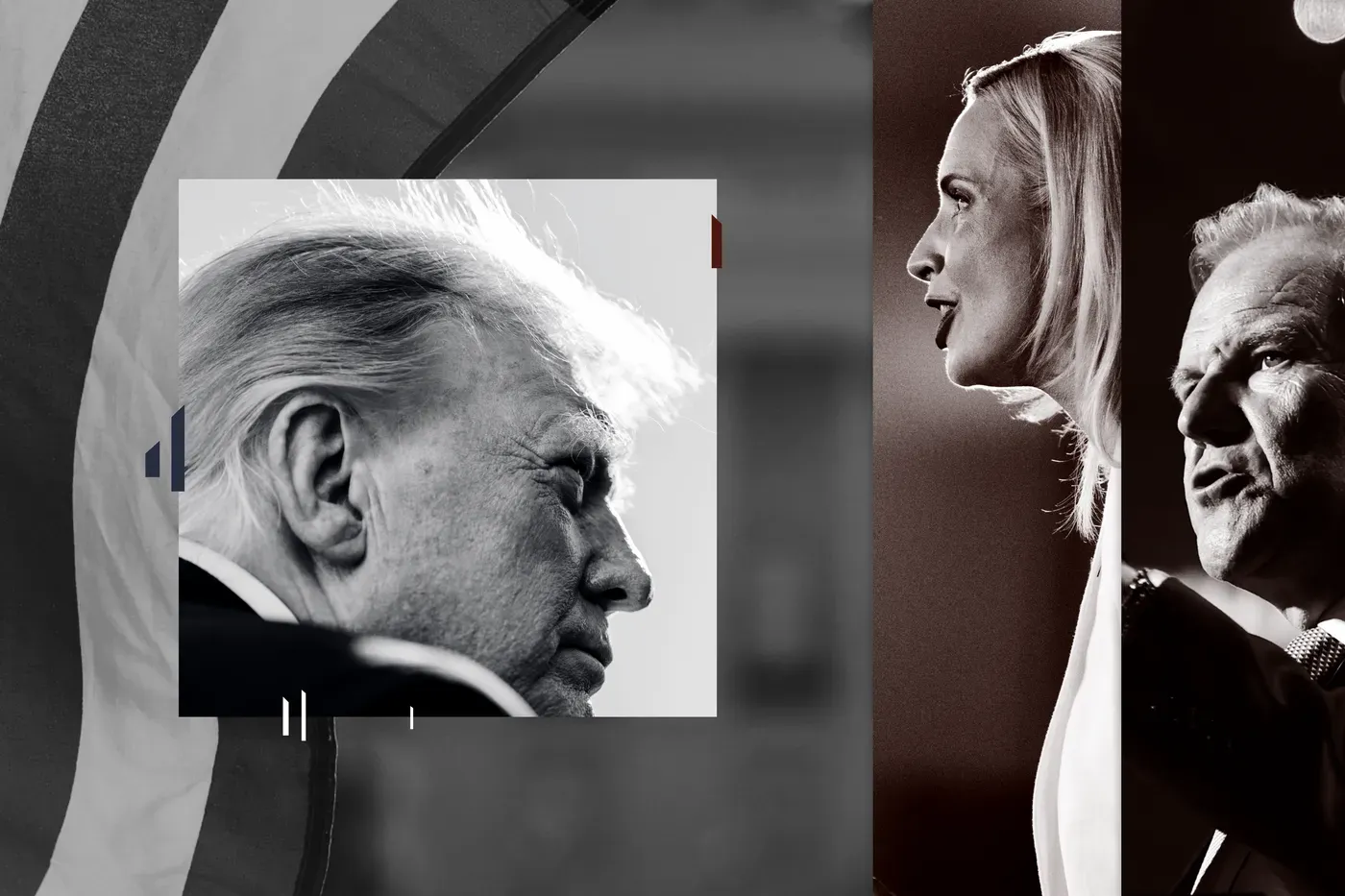
Donald Trump, John Cornyn, Ken Paxton, Thom Tillis, Michael Whatley
Outgoing Republican senators are refusing to lend support to their potential successors in upcoming elections.
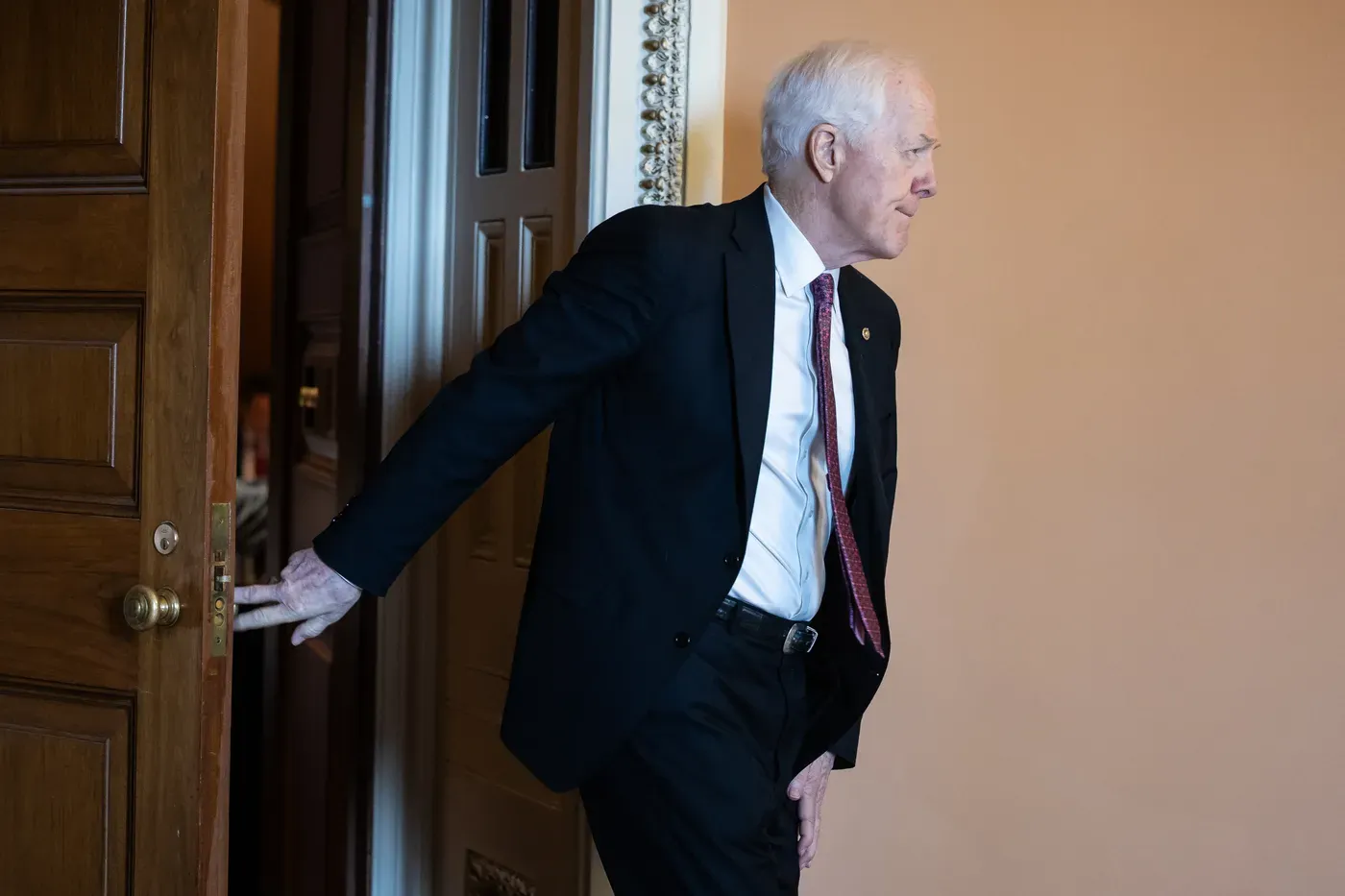
A growing number of Republican politicians who have fallen out of favor with President Donald Trump are refusing to lend their support to potential successors in upcoming elections.
This trend is evident in several key states, where retiring or ousted GOP incumbents are choosing not to get involved in the campaigns of those seeking to replace them. In Texas, for instance, outgoing Senator John Cornyn has raised money for various Republican Senate candidates, but has not extended the same support to Attorney General Ken Paxton.
Paxton's primary victory over Cornyn was backed by Trump, and since then, Cornyn has been vocal about his concerns regarding Paxton's vulnerabilities as a candidate. He has even suggested that Democrats could potentially flip Texas blue for the first time in decades.
In North Carolina, Senator Thom Tillis is another example of an outgoing Republican who appears to be distancing himself from his party's chosen candidate, former RNC Chair Michael Whatley. Despite their differences with Trump on policy, Tillis has played a relatively minor role in supporting Whatley's campaign against Democrat Roy Cooper.
Tillis' reluctance to get involved in the North Carolina Senate campaign is particularly noteworthy given Whatley's struggles to close the gap with Cooper.
Outgoing Republicans are facing criticism for their reluctance to support their potential successors in key Senate battlegrounds.
Several lawmakers have come to the defense of these outgoing senators, citing their past contributions to the party and its successes.
North Dakota Senator Kevin Cramer praised Thom Tillis and John Cornyn, stating that they "have contributed immensely" to the party's achievements.
Cramer's comments reflect a growing divide within the Republican Party, with some members seeking a return to pre-Trump era priorities and values.
This tension is playing out in several Senate battlegrounds where Republicans are struggling to maintain their seats.
The lack of support from outgoing Republican lawmakers is proving to be a significant challenge for their potential successors.
In North Carolina's Senate race, Thom Tillis' decision not to seek reelection last year has been cited as one reason why his former colleague Mark Meadows hasn't been more actively involved in the campaign.
However, some argue that Meadows could have made a difference if he had chosen to stay in the state and help keep the seat competitive.
By failing to do so, the party is now facing a potential wipeout on November 3.
Many Republicans who are stepping down from office this year are choosing not to endorse their successors, a move that has drawn criticism from more Trump-aligned forces within the party.
Some of these outgoing lawmakers have been vocal in their criticism of the party's increasingly polarized politics, with Representative Mark Amodei from Nevada suggesting that the only criteria for supporting a candidate should be whether they are genuinely qualified for the role.
The issue of party loyalty has become a contentious one, with some Trump-aligned groups accusing moderate Republicans of "bedwetting for not falling in line behind the party's most extreme candidates.
Despite facing criticism from within their own party, these outgoing lawmakers have continued to campaign for fellow Republicans, attending events and fundraisers for Senate candidates such as Susan Collins of Maine, Jon Husted of Ohio, and Dan Sullivan of Alaska.
Brian Kemp's endorsement and public support for Mike Collins' Senate campaign have been welcomed by some of Collins' allies, who believe the governor should be more actively involved in helping Republicans win their seats.
A GOP strategist working on races in Georgia expressed frustration that Kemp has not done enough to help Collins' campaign, saying he needs to be on the trail and someone who needs to help if Republicans are going to win". The strategist spoke anonymously due to internal party dynamics.
In response to criticism, a representative for Kemp referred to Collins' statement of support, indicating the governor's involvement in the campaign is limited to public endorsements and fundraisers. Despite this, some Republicans remain unsatisfied with Kemp's level of engagement.
Across the country, other frustrated Republicans have criticized Trump's interference in Senate primaries, accusing him of supporting candidates who are deemed too weak for their roles. Some point to South Carolina as an example of the president's influence.
Rep. Ralph Norman has refused to campaign alongside Sen. Darline Graham, who defeated him in the primary with Trump's backing. Graham faces scrutiny over her lack of experience in elected office and is being outpaced by Democrat Annie Andrews in fundraising efforts.
Norman's decision not to back Graham is a reflection of his own disappointment with Trump's treatment of South Carolina, which he believes was unfair.
In contrast, other outgoing Republicans are showing their support for their handpicked successors, defending them against criticism and attacks. For instance, Bacon is throwing his weight behind Brinker Harding, an Omaha city councilmember who is vying to replace him in a blue-leaning Nebraska district where Bacon's departure has left a power vacuum.
This loyalty to their chosen candidates is evident even when they are not the most popular choice among party members.
Facts based on reporting originally published by Politico.
You may republish this story, in full or in part, if you credit News Central Site and link to it (licence CC BY 4.0). Photos are not included.