Diwali Celebrations Observed by Over a Billion People Worldwide
Over a billion people across various faiths observe Diwali, one of the most significant festivals globally, typically between late October and early November.
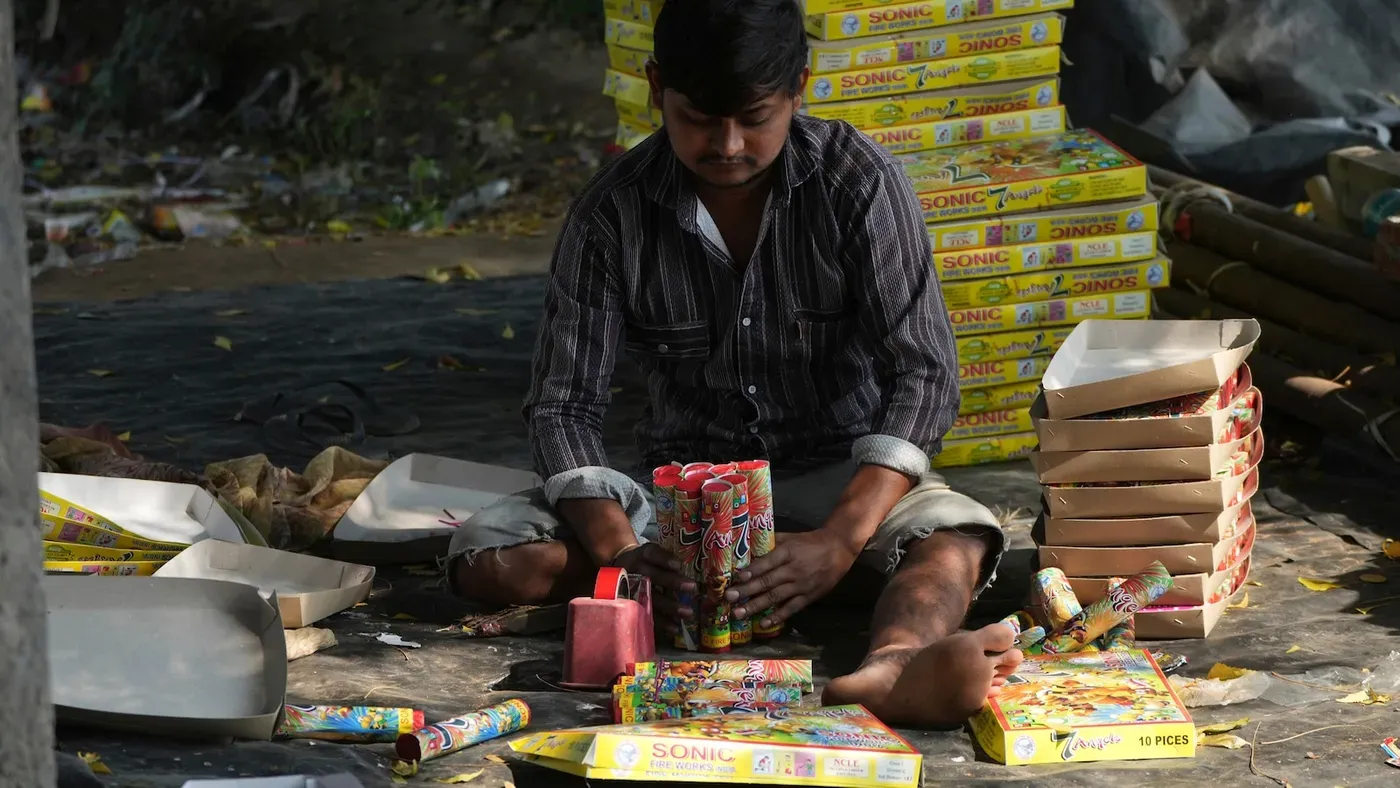
Diwali, one of the most significant festivals globally, is observed by over a billion people across various faiths including Hindus, Sikhs, Jains, and Buddhists.
The festival is deeply rooted in Indian culture and traditions, with its importance varying among different communities. For many Hindus, Diwali marks the pinnacle of their spiritual year, accompanied by prayers, family gatherings, and vibrant fireworks displays.
As one of the most populous nations, India's diverse population comes together to celebrate Diwali, which typically falls between late October and early November. The festival's exact date varies each year due to its lunar calendar basis, with this year's celebrations scheduled for November 8.
Diwali's significance extends beyond its Hindu origins, as it is also observed by Sikhs, Jains, and Buddhists who share in the triumph of good over evil, a common theme across various regional stories surrounding the festival.
In southern India, a significant tradition is observed on the first morning of Diwali, where people take an early bath using warm oil as a symbol of purification. This ritual is reminiscent of bathing in the sacred River Ganges, with the aim of cleansing both body and spirit. This practice is deeply rooted in Hindu culture, emphasizing the importance of spiritual renewal during this festive period.
In contrast, northern India focuses its worship on the goddess Lakshmi, who embodies wealth and prosperity. Her significance is a testament to the enduring desire for material success that underlies many Diwali celebrations. The reverence shown to Lakshmi reflects the widespread hope that this festival brings good fortune and abundance into people's lives.
Another popular tradition associated with Diwali is gambling, which is believed to bring prosperity throughout the year. Many participants engage in this activity on the night of the festival, viewing it as a way to ensure their financial well-being for the coming months. Additionally, buying gold on Dhanteras, the first day of the festival, is seen as a means to attract good luck.
The cultural significance of Diwali extends beyond its Hindu origins, with various other faiths observing this festive period in unique ways. Jains celebrate Diwali as the anniversary of Lord Mahavira's attainment of nirvana, marking his liberation from the cycle of birth and rebirth. Similarly, Sikhs commemorate Bandi Chhor Divas, which coincides with Diwali, to honor the release of Guru Hargobind from imprisonment under the Mughal emperor Jahangir.
Diwali festivities have been taking place in various locations across North America, showcasing the holiday's global reach and cultural significance. In Florida, Disney World hosted several days of celebrations featuring over 500 dancers, highlighting the vibrant energy associated with Diwali.
Community events have also sprouted up in major cities such as New York, San Francisco, Vancouver, and Jersey City, offering diverse experiences for attendees. These events often incorporate international performers, cultural bazaars, and spectacular lighting displays, further emphasizing the holiday's festive atmosphere.
California recently became the third U.S. state to officially recognize Diwali as a state holiday, solidifying its place within American cultural celebrations.
Facts based on reporting originally published by ABC News International.
You may republish this story, in full or in part, if you credit News Central Site and link to it (licence CC BY 4.0). Photos are not included.