Data Center Projects Rejected in Midterm Elections Across Multiple States
Voters in numerous states rejected new data center construction projects, with a focus on restrictions and regulations.
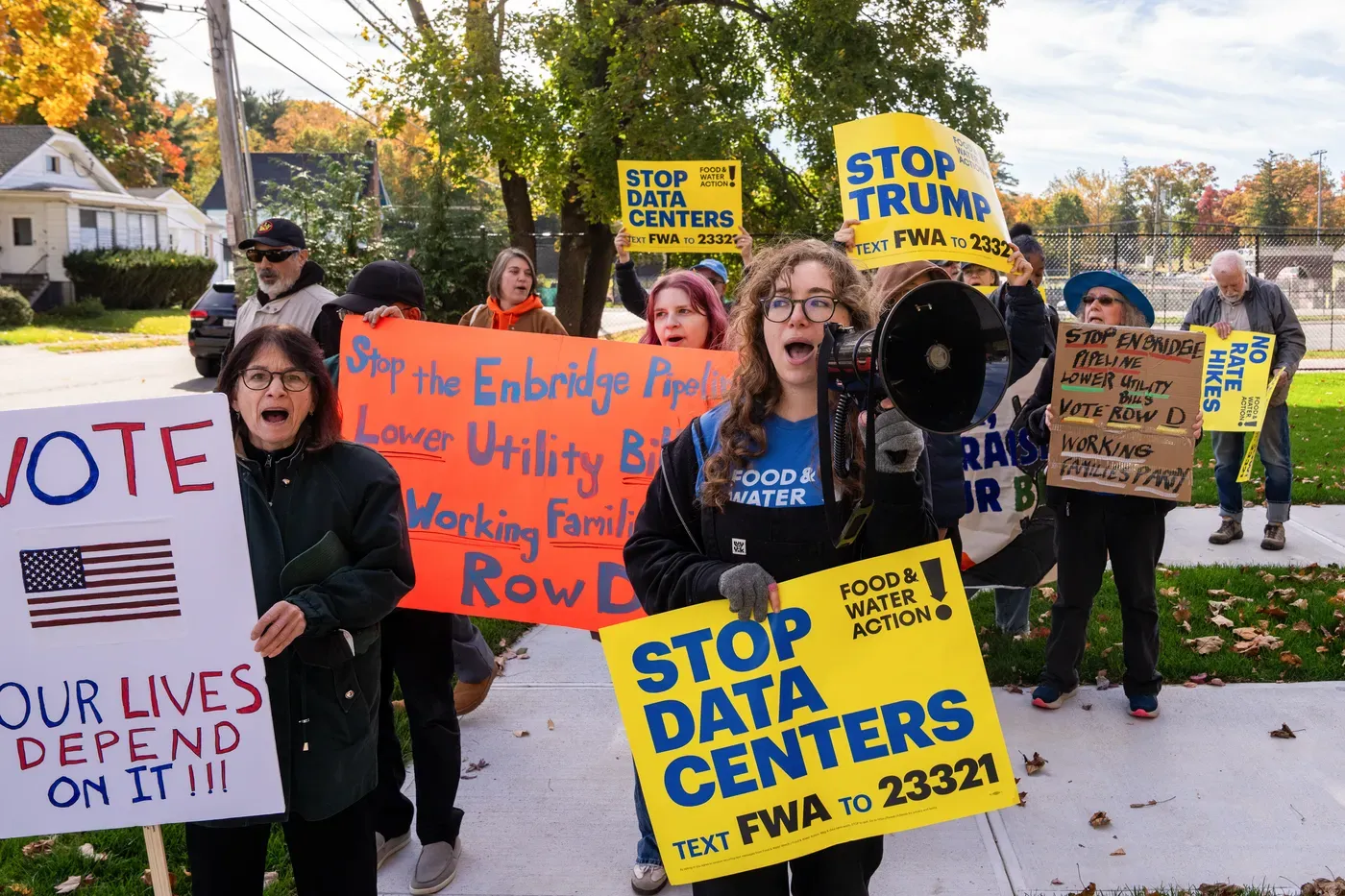
A decisive midterm election has sent a clear message to data center proponents and AI advocates across the country, as voters overwhelmingly rejected new data center construction projects in numerous states.
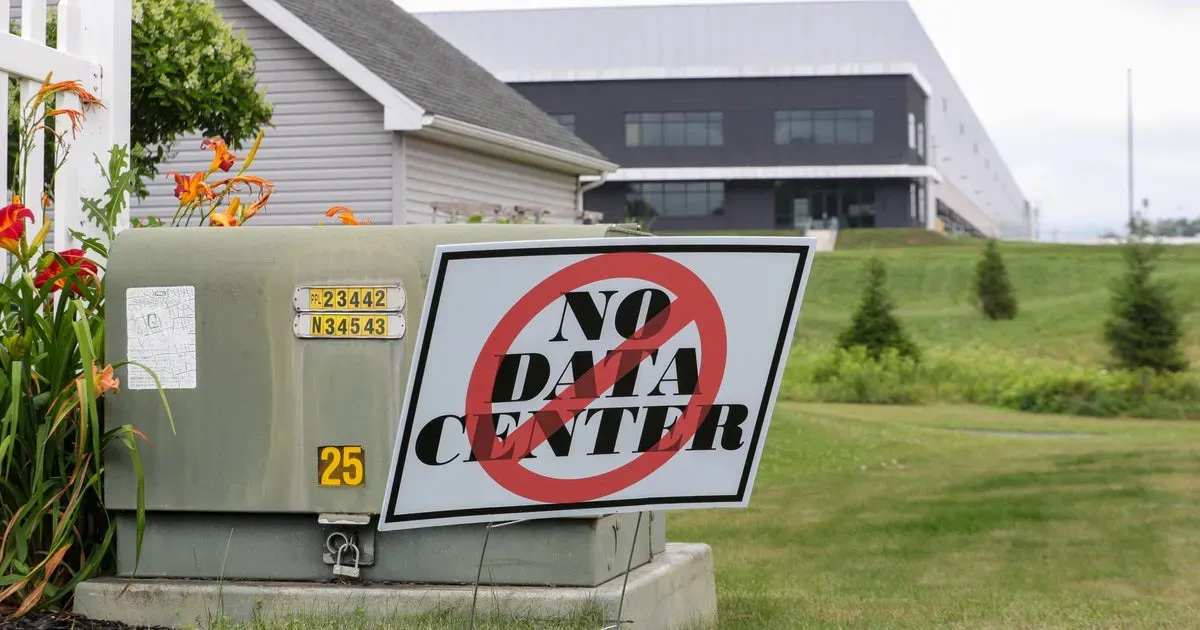
The wave of anti-data center initiatives on the ballot was particularly pronounced in Ohio, where 21 measures were put to vote, all of which favored restrictions on new data centers. The trend was mirrored in other parts of the country, with voters supporting about 40 election-day measures aimed at limiting data center expansion.
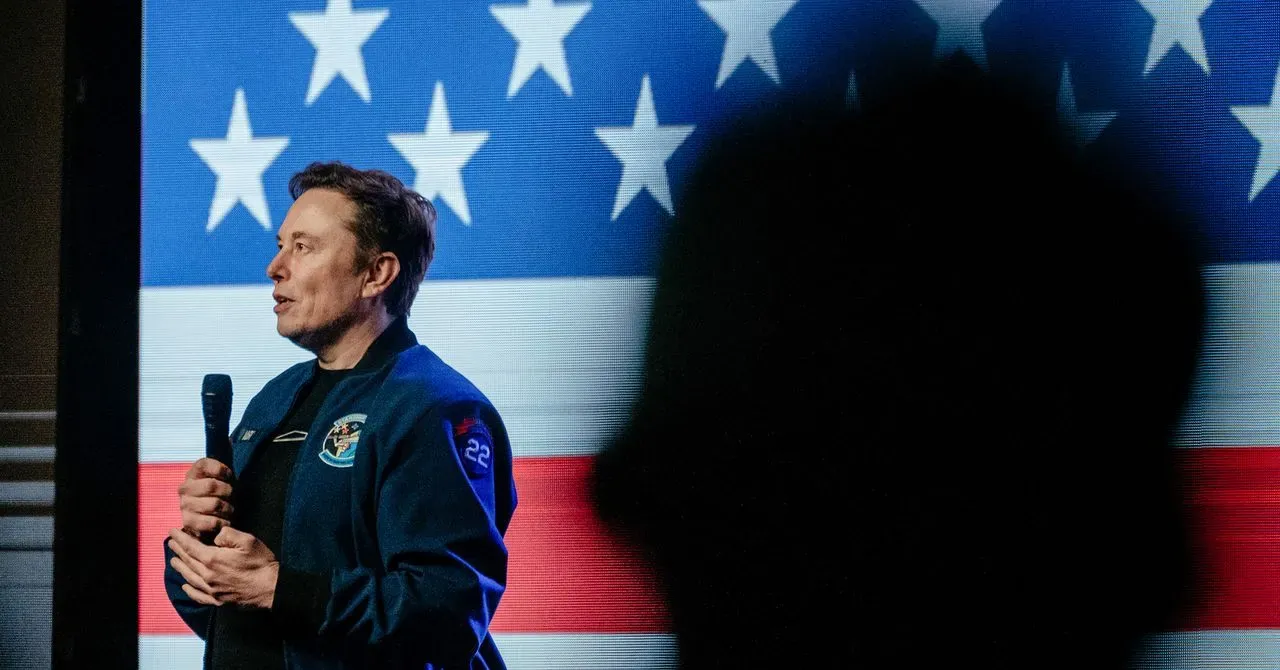
Data center supporters had heavily invested in Republican candidates, including a significant contribution from xAI CEO Elon Musk, who poured hundreds of millions into Texas midterm campaigns. However, this failed to sway voters, who instead chose to take direct action on the issue by backing ballot initiatives that would restrict new data centers in their districts.
In some areas, voters did not even need to vote for or against specific candidates; they could directly decide whether data center projects would be allowed in their districts through ballot measures.
The trend of voter opposition to new data center projects continued across multiple states, as several more elections were held in 2026. In Maine, Illinois, Kansas, New Jersey, California, Florida, Nevada, North Dakota, and Wisconsin, voters weighed in on the issue.
Notably, six earlier elections in California, Michigan, New Hampshire, and Wisconsin saw voters decisively reject proposals to allow data center builds without new restrictions. While specific restrictions varied from election to election, a common thread was concern over the environmental impact of these massive facilities.
Voters were not only rejecting proposals for new or expanded data centers but also pushing for stricter regulations on existing ones. Some measures aimed to limit energy consumption by imposing megawatt caps, while others addressed zoning and permitting issues. In at least six states, voters opted for an outright ban on new data center construction.
The widespread rejection of data center projects has been attributed in part to growing concerns among Americans about the environmental costs of these facilities. According to polls conducted by groups like Pew Research, many citizens are worried about high electricity bills, water usage, and the broader implications of data centers on local ecosystems.
Senator-elect Sherrod Brown's victory speech on Tuesday night was a stark reminder of the shift in public opinion against data centers. He emphasized his commitment to serving Ohio and its citizens, rather than corporate interests.
The backlash against data centers has led to significant consequences for local officials who had supported them. Two mayors, one from Oklahoma and the other from Ohio, were recalled after proposed data center projects sparked public outrage. This development underscores the growing unease among communities regarding the impact of these massive facilities on their ecosystems.
As a result of the midterm elections, tech companies and data centers can expect increased scrutiny from Congress, now under Democratic control. Darrell West, a senior fellow at the Brookings Institution, noted that "public policy is going to reflect public opinion" and highlighted the significant change in public sentiment over the past year.
The days of lavish tax breaks and incentives for data centers may be numbered as local officials face pressure from their constituents to prioritize community interests. In response, companies are being forced to reconsider their proposals and offer more attractive deals, including paying taxes, creating their own power plants, and contributing to local resources such as education funds.
Facts based on reporting originally published by CNET.
You may republish this story, in full or in part, if you credit News Central Site and link to it (licence CC BY 4.0). Photos are not included.