DC Studios Blends Horror and Superhero Genres in Upcoming Movies
James Gunn and Peter Safran are behind DC Studios' new era of projects that merge horror and superhero elements.
DC Studios is taking a bold approach by blending horror and superhero genres in its upcoming movies.
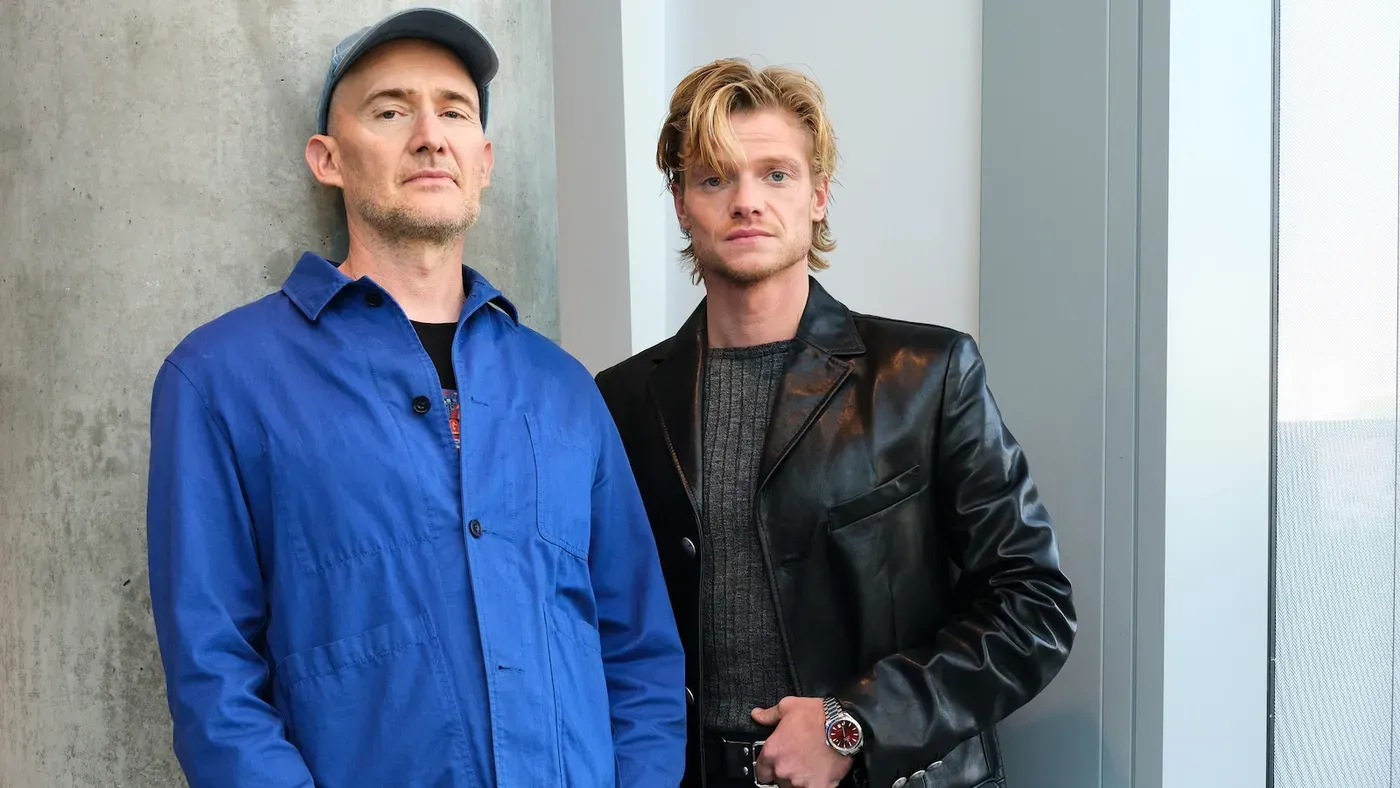
James Gunn and Peter Safran, the duo behind DC Studios' new era of projects, have been looking to merge seemingly disparate film types. Writer-director Mike Flanagan's innovative pitch to combine horror and superhero elements caught their attention.
Flanagan's concept centered around Clayface, a lesser-known Batman villain that neither Gunn nor Safran had initially considered as a standalone movie. However, they were convinced by Flanagan's enthusiasm and vision for the project, which eventually evolved into a script co-written with Hossein Amini.
The decision to greenlight "Clayface was influenced by the broader creative goals of DC Studios' founders, according to Safran. He revealed that Gunn and he sought out projects that aligned with their overall vision for the company's output.
Safran emphasized that Flanagan's passion and pitch were instrumental in making Clayface a priority project for DC Studios. With Gunn and Safran's support, the movie is now part of the studio's initial wave of releases, following Superman" and "Supergirl.
The DC universe is about to take a darker turn with Clayface, a movie that blends horror and superhero elements in a bold move away from traditional comic book films.
This departure from the norm was deliberate, according to those involved in the project. The film's focus on character-driven storytelling rather than action-packed spectacle sets it apart from other DC movies, making it more akin to a horror film without its superhero roots.
The movie stars Tom Rhys Harries as Clayface, a relatively unknown DC villain, but that doesn't mean audiences need prior knowledge of the character to enjoy the film. The Welsh filmmaker behind Speak No Evil" and "The Woman in Black" has emphasized that "Clayface stands on its own merits.
DC's decision to pursue more idiosyncratic, multigenre projects under Gunn and Safran's leadership has been a double-edged sword. While it has won over fans, it also increases the stakes for each release, as seen with the recent box-office disappointment of Supergirl.
The pressure is on for Clayface to succeed when it hits theaters on October 22, just after Skydance and David Ellison take control of Warner Bros., keeping Gunn and Safran at the helm despite their previous misstep.
The stakes are high for Clayface, as its creators aim to push the boundaries of the superhero genre by incorporating horror elements.
In an effort to differentiate themselves from previous DC movies, Safran has emphasized that the team is taking a bold approach with Clayface. The cumulative effect of their decisions suggests a willingness to experiment and try new things.
A few notable examples of movies that have successfully merged horror and superheroes include Wes Craven's Swamp Thing (1982), Sam Raimi's Darkman (1990), and Brightburn (2019). Gunn was involved in the production of Brightburn, which offered a dark twist on the Superman origin story.
Clayface itself is an unlikely central character, given its origins as a Batman villain created by Bill Finger and Bob Kane in 1940. Initially introduced as Basil Karlo, a B-list actor who donned a Clayface costume to exact revenge on those involved with a horror remake he had been passed over for.
Some fans have expressed skepticism about the movie's viability, prompting Gunn to defend the choice on social media last week. He argued that Hollywood isn't driven solely by public demand for familiar IPs.
The film's protagonist, a struggling actor named Matt Hagen, is disfigured by a mob boss in a violent attack, leaving his face severely damaged. In an attempt to restore his appearance, he undergoes experimental surgery using a unique living organism that resembles clay.
This untested procedure has a profound effect on Matt, causing his body and face to undergo radical transformations as the days pass. According to actor Michael Harries, who plays Matt, this transformation is both physically and emotionally challenging for the character.
The film's narrative takes a darker turn as Matt becomes increasingly obsessed with getting back into show business, leading him down a path of self-destruction. The relationship between Matt and Dr. Caitlyn Corr, played by Naomi Ackie, serves as a crucial catalyst for this downward spiral.
Matt's transformations become more frequent and intense as the story unfolds, blurring the lines between horror and drama in the film. Director Watkins has opted to use practical effects to bring these unsettling changes to life, rather than relying solely on CGI.
The film's approach to body transformation is a deliberate choice to create a more unsettling experience for viewers.
To achieve this effect, the cast would often switch roles mid-scene, with some actors playing the same scene multiple times from different perspectives. This technique was used throughout the third act of Clayface, where Matt undergoes extreme physical changes to mimic those around him.
The unconventional approach to storytelling and the blurring of genres in Clayface" has shown that even the superhero movie can be more flexible than previously thought, allowing for a fresh take on the traditional formula.
Facts based on reporting originally published by ABC News Entertainment.
You may republish this story, in full or in part, if you credit News Central Site and link to it (licence CC BY 4.0). Photos are not included.