Czech Factory Worker Dies from Hemorrhagic Shock After Workplace Accident
A 35-year-old factory worker died after suffering severe internal injuries while conducting an experiment with pressurized air at his workplace in the Czech Republic.
A 35-year-old factory worker in the Czech Republic fell victim to a catastrophic accident on the job. His coworkers noticed he was injured when he crawled from the ground floor to the first floor and shouted for help. The man's condition quickly deteriorated as he suffered severe abdominal pain and rectal bleeding.
According to his own account, the incident occurred while conducting "a silly experiment involving a pressurized air system. However, he refused to elaborate on what exactly had happened during this experiment. Medical reports later noted that he repeatedly stressed it was his own fault.
The injured man was airlifted by helicopter to a nearby hospital but his condition rapidly worsened. During the flight, he became unresponsive and showed signs of hemorrhagic shock due to significant blood loss over a short period. Despite medical attendants' efforts to revive him, the man died before reaching the hospital.
Hemorrhagic shock occurs when organs and body tissues fail to receive enough oxygen because of decreased blood flow. If left untreated, it can lead to organ failure and ultimately death. The sudden deterioration of the man's condition in flight was a stark reminder of the potential dangers of this type of shock.
The fatal injury occurred at the workplace, prompting police to order a medicolegal autopsy as part of an inquest procedure. This comprehensive examination not only identifies the cause of death but also collects evidence for law enforcement agencies involved in the investigation.
The examination revealed that the man's face was severely swollen due to retained air in the soft tissues.
The areas around the anus and genitalia were also distended and covered in dried blood with radial tears in the skin surrounding the anus.
The internal examination of the brain showed it was swollen, accompanied by air bubbles in both the brain and chest cavity. Blood had accumulated in various parts of the body including the diaphragm, near the heart, in tubes leading to the lungs, and on the membranes covering the lungs and heart.
Blood also pooled in several areas such as the abdominal cavity, a tube leading to the right kidney, and within digestive organs, while his heart was described as shrunken and empty.
The coroner's examination revealed a nearly circular laceration on the man's body, surrounded by blood, which indicated an explosive rectal injury" had caused his death due to hemorrhagic shock.
Further investigation provided more insight into the circumstances surrounding his injuries. Police discovered rubber fragments in the man's small intestine, along with clues from his internet search history, including photos he submitted to an amateur sex website. This online activity suggested a possible motive for the man's actions. The police also found evidence of his experiment at work.
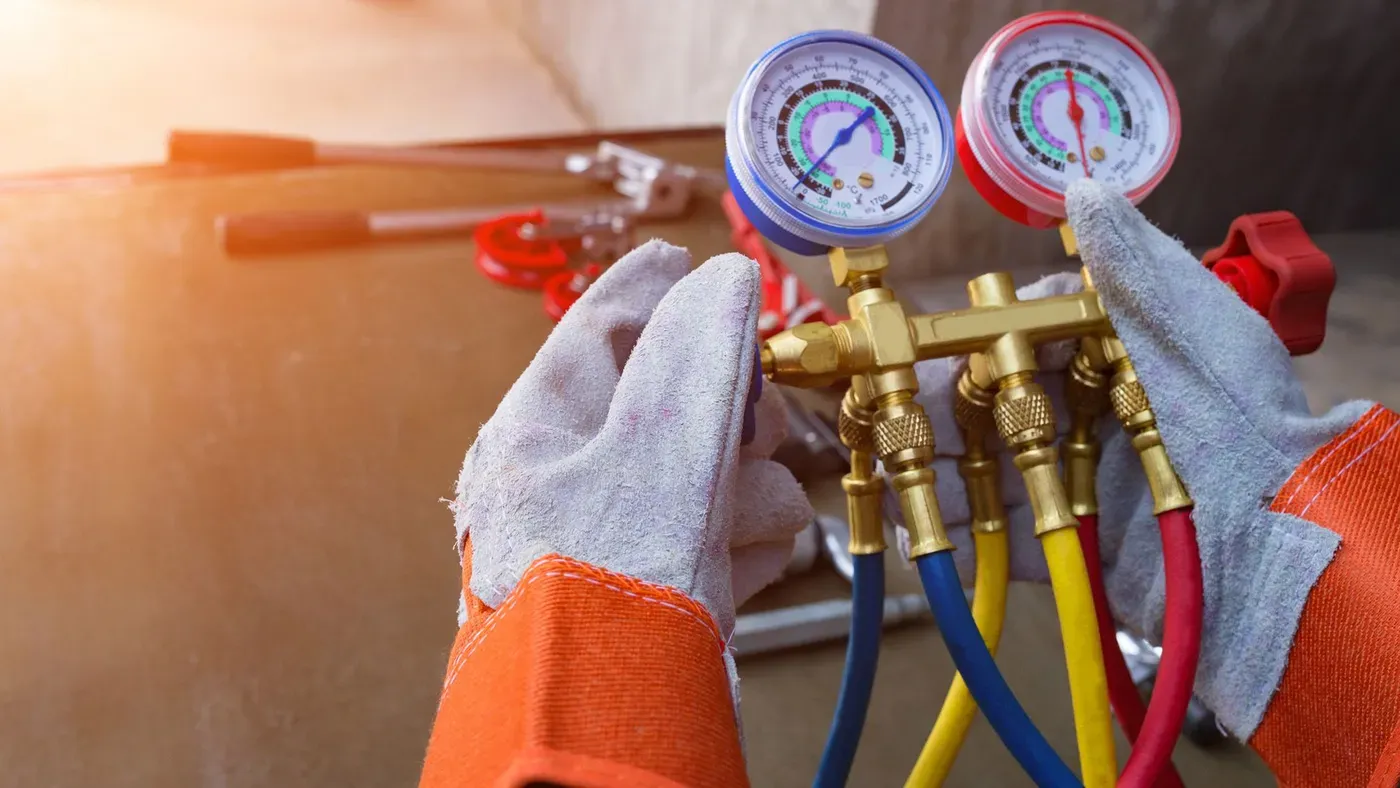
The police concluded that the man had been using a handheld air gun and a rubber inflatable pipe stopper while at work. The pipe stopper was 2 to 3 inches in diameter, and it's believed he attached it to the air gun's muzzle. A long, high-pressure hose connected the air gun to the factory's air distribution system.
The man had likely inserted the pipe stopper into his rectal cavity before pressing the trigger on the air gun. This caused an unexpected inflation of the pipe stopper, which then burst explosively within his rectum. The doctors described this sequence of events in their case report.
The unusual circumstances surrounding the man's death led doctors to piece together the events that likely led to his fatal injury.
A review of the case revealed that rectal insertion of foreign bodies is generally not a cause for concern when done responsibly and with consent. However, in this instance, it appears that the individual's actions may have had unforeseen consequences.
The man's death serves as a rare example of an unanticipated outcome from what was described by some as a 'silly experiment'.
Facts based on reporting originally published by Live Science.
You may republish this story, in full or in part, if you credit News Central Site and link to it (licence CC BY 4.0). Photos are not included.