Congo Ebola Outbreak Surpasses 10,000 Confirmed Cases
The Democratic Republic of Congo's Ebola outbreak has reached a grim milestone, surpassing 10,000 confirmed cases as health authorities scramble to contain the spread of the disease across...
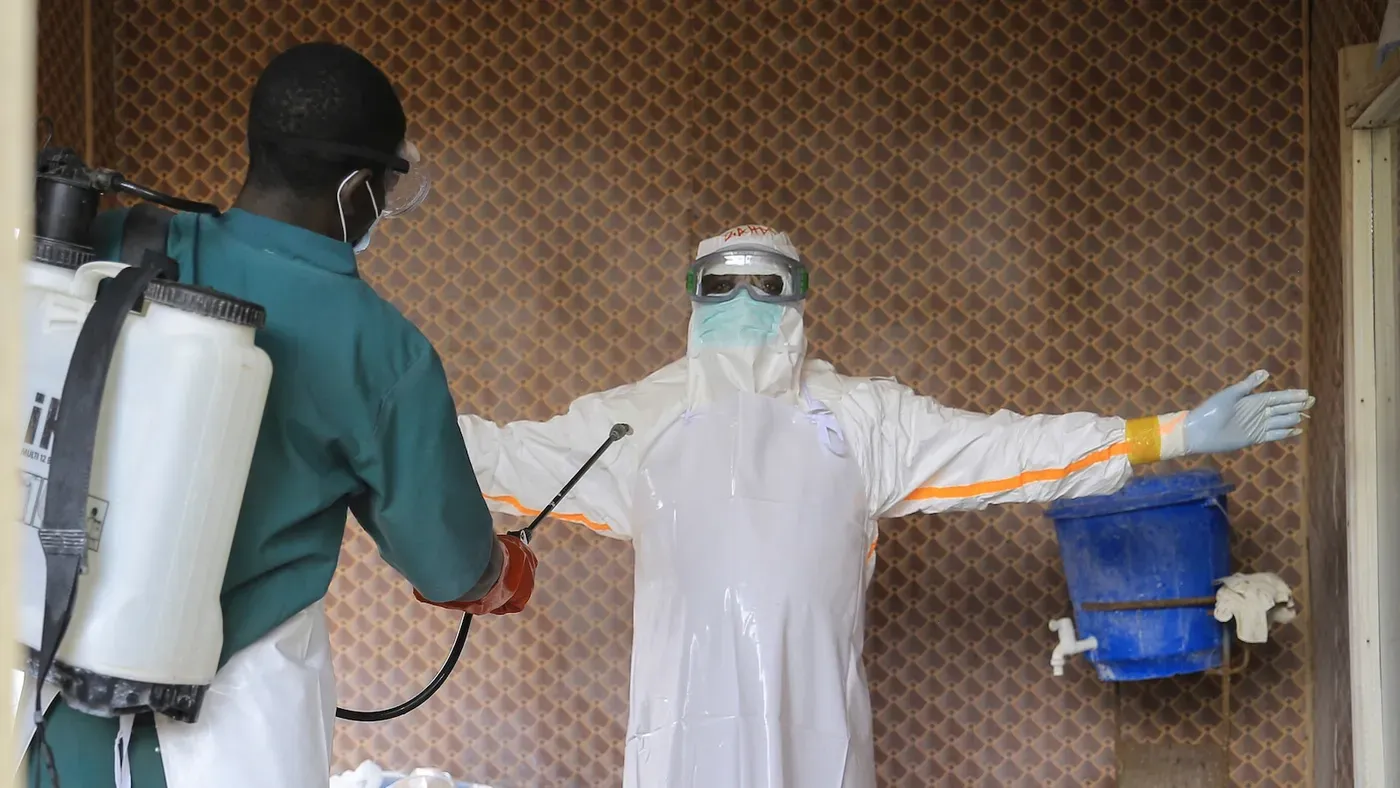
The Democratic Republic of Congo's Ebola outbreak has reached a grim milestone, surpassing 10,000 confirmed cases as health authorities scramble to contain the spread of the disease across Africa.
Government data released on Tuesday revealed that nearly half of those infected have lost their lives, making this the deadliest Ebola outbreak in the country's history. The rapid rise in cases is unprecedented, with this outbreak outpacing all previous ones in terms of speed and scale.
The rare Bundibugyo virus responsible for the outbreak has no approved vaccine or treatment, making it a formidable challenge for response teams to combat. They face numerous obstacles, including armed conflict, poor infrastructure, and violence fueled by mistrust and misinformation among local communities.
Years of violence and repeated epidemics have left these communities wary of outsiders, making it difficult for health workers to persuade people to report symptoms and accept care. This has compounded the challenge of containing the outbreak.
The sheer scale of this outbreak is striking when compared to the West Africa Ebola epidemic that occurred between 2014 and 2016, which had over 28,000 cases and more than 11,000 deaths.
The ongoing Ebola outbreak in Congo has been hindered by inadequate surveillance efforts, as many initial cases were confirmed after symptoms appeared or travel had occurred.
A virtual summit is scheduled for African health ministers this Wednesday to enhance regional coordination and response. Dr. Jean Kaseya, head of Africa CDC, emphasized the need for accelerated action, stronger collaboration, greater solidarity, and decisive leadership in addressing the crisis.
In a heartening development, at least 2,600 patients have recovered from Ebola, bringing moments of joy to affected communities. A recent video captured health workers dancing in full protective gear as they discharged the last two patients from a treatment center in Mongbwalu, Ituri province.
The World Health Organization's Director-General Tedros Adhanom Ghebreyesus welcomed these successes, noting that every life saved is significant despite the outbreak's ongoing severity.
Ebola has spread to 66 health zones across eight provinces in Congo, up from three zones when it was first declared in May. Response teams report that treatment centers are becoming overwhelmed due to a high volume of cases.
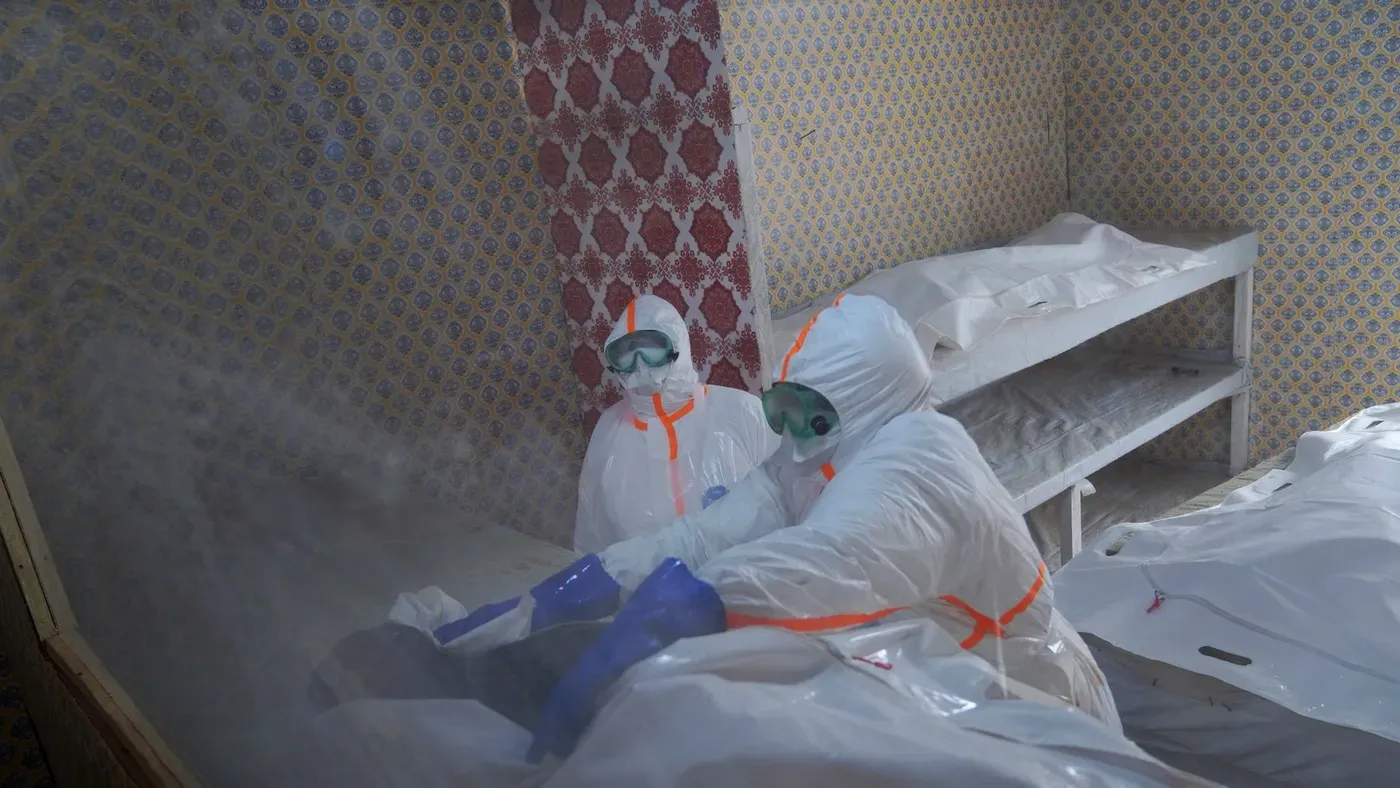
Health workers face skepticism and hostility from some communities, while also struggling with delayed or unpaid wages. Sephora Bgosi, an Ebola burial team member in Ituri province, expressed concern about people's limited understanding of the disease's risks despite direct exposure.
The Ebola outbreak in Congo continues to spread at an alarming rate, with cases now exceeding 10,000. Despite efforts by health authorities, about 80% of recorded cases are still coming from outside of monitored contacts, indicating ongoing chains of transmission that remain undetected.
This lack of awareness is a major concern for officials, who claim that at least 95% of recorded cases should be coming from known contacts in order to say the outbreak has been brought under control. However, this target is far from being met, and the Africa CDC acknowledges that much work remains to be done.
The reality on the ground is also reflected in the high number of deaths among people who have not been admitted to treatment centers. In many areas, individuals are still not reporting symptoms or seeking medical attention until it's too late, resulting in unnecessary fatalities.
The challenges facing health workers on the frontlines are numerous and varied. From basic needs such as adequate transportation to complex issues like persuading families to release their loved ones for safe burial, responders are struggling to contain the outbreak.
In some areas, health workers have even been attacked by angry villagers, including a nurse who was killed and another severely injured last weekend while responding to an Ebola alert in Bafwasende. The disruption of essential health services is also taking its toll, diverting attention away from other pressing disease outbreaks such as cholera.
The Ebola outbreak in Congo has led to an alarming increase in maternal mortality rates, particularly among pregnant women who are now avoiding hospitals due to fear of infection and isolation.
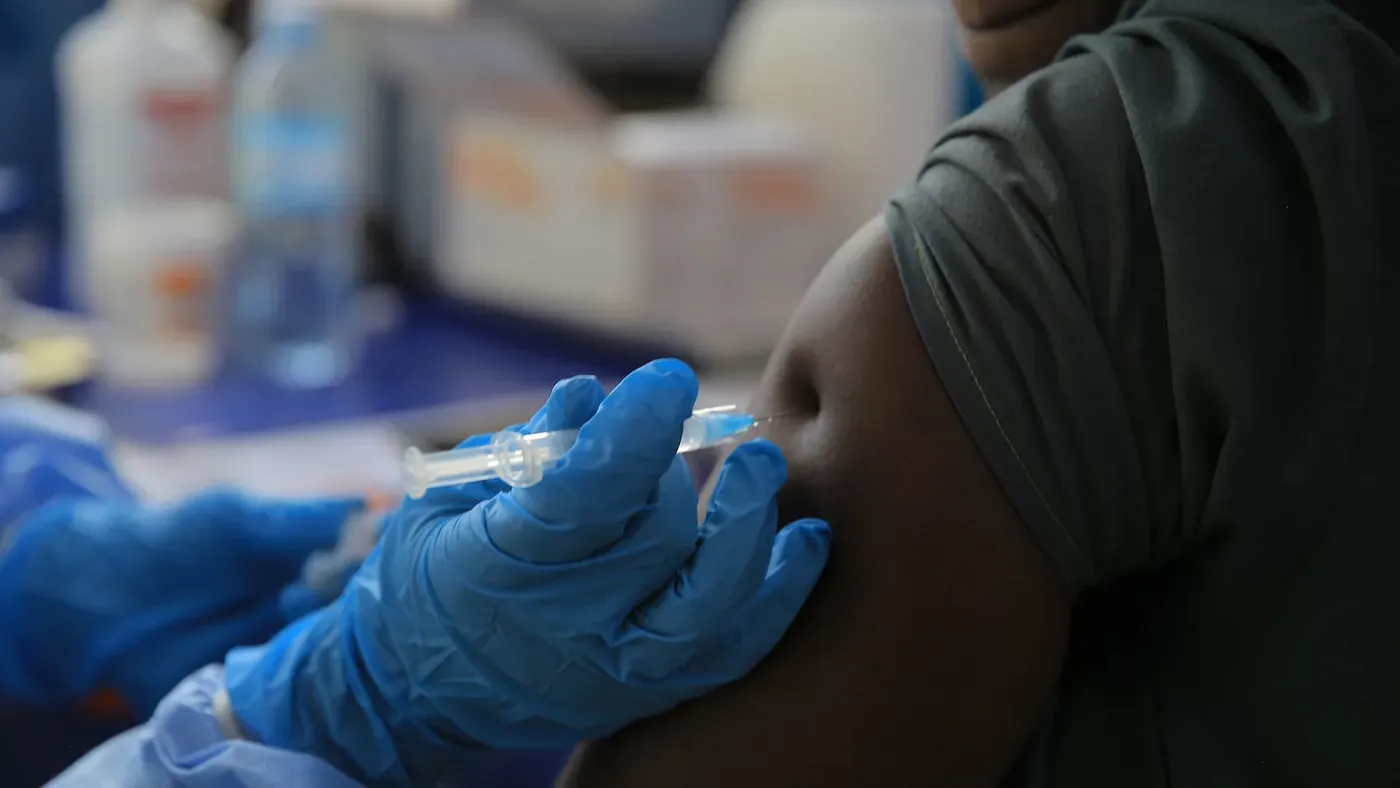
Routine healthcare services have been severely disrupted, including childhood vaccinations, which have been interrupted in many areas. This is having a ripple effect on the education system as well, with millions of children already out of school facing further disruptions as schools struggle to operate safely.
The humanitarian crisis caused by this outbreak has taken a devastating toll on affected families, causing trauma and stigma that will be felt for years to come.
Facts based on reporting originally published by ABC News Health.
You may republish this story, in full or in part, if you credit News Central Site and link to it (licence CC BY 4.0). Photos are not included.