New Mexico Border Crossing Reopens for Mexican Cattle Imports
US agriculture inspectors have given the all-clear for cattle imports to resume under new safeguards after nearly two years of closure due to an outbreak of the New World screwworm.
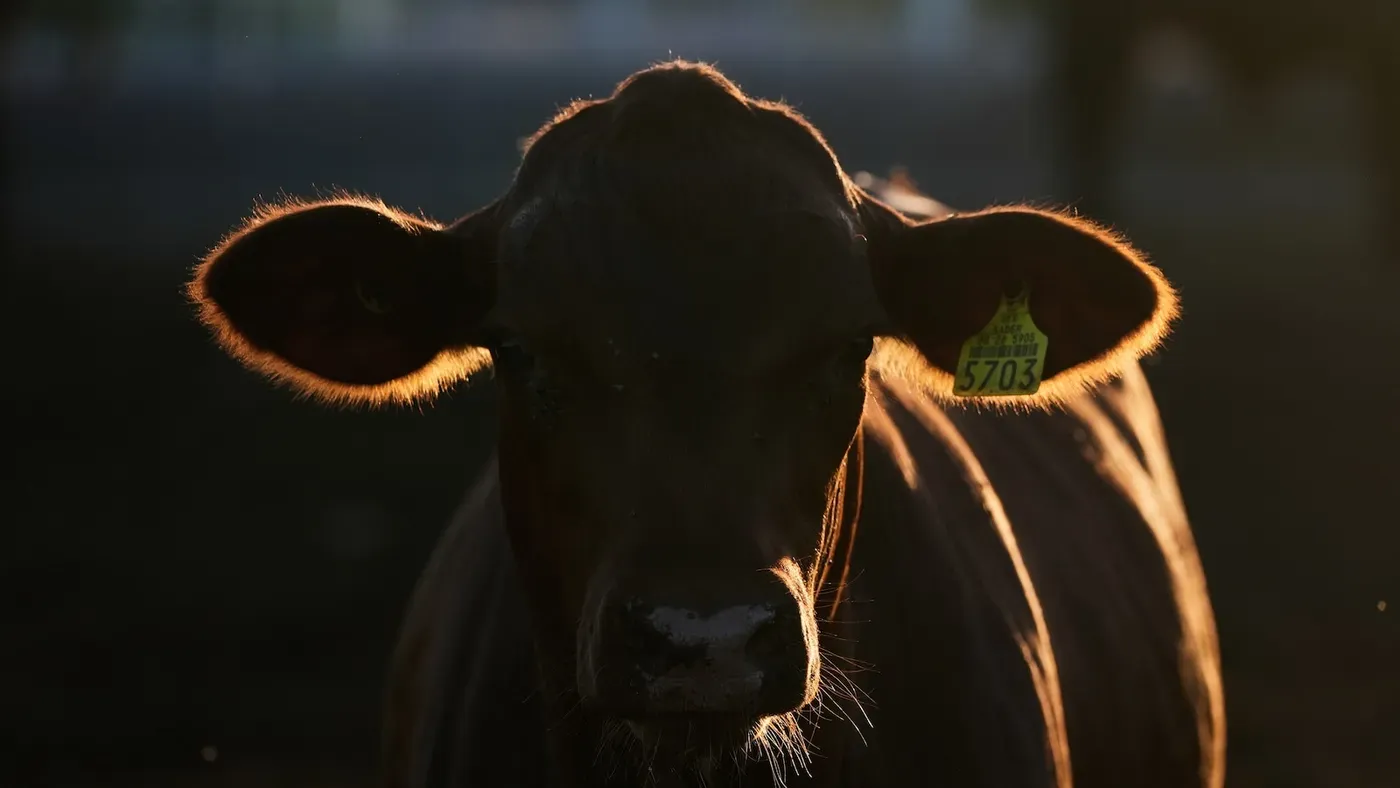
A major border crossing in New Mexico has reopened for Mexican cattle after nearly two years of closure due to an outbreak of the New World screwworm.
The reopening comes after US agriculture inspectors gave the all-clear, allowing cattle imports to resume under new safeguards that include rigorous testing and inspections before they even reach the border. The measures are aimed at preventing the spread of the flesh-eating fly larva, which threatens the $113 billion US cattle industry. Containment efforts have already had a significant impact on local communities, including job losses and disrupted trade.
The port at Columbus, New Mexico is the third to resume importing Mexican cattle under these new protocols, which involve multiple layers of treatment and inspection before animals are allowed to cross into the country. This includes tests, shots, and thorough inspections that take place before livestock even approach the border. By implementing these additional measures, officials and ranchers in both countries hope to restore confidence in the safety of imported cattle.
The New World screwworm has caused significant disruptions to local economies and trade, particularly for communities reliant on cattle imports. With the reopening of this crossing, there is potential for some relief from the strain on beef supplies due to drought-depleted herds. However, experts warn that shoppers should not expect a rapid decrease in prices anytime soon.
The parasite responsible for screwworm, a significant livestock disease, was largely eradicated in the US in the 1960s after being an annual scourge. However, it reappeared in Mexico in 2024 and made its way into Texas in June, marking the first confirmed case in the country.
Since then, more than 60 cases have been reported in Texas and New Mexico, affecting cattle, sheep, goats, horses, and even dogs. The outbreak has also spread to wildlife, with a recent confirmation of screwworm infestation in an elk discovered by a hunter.
The US imports approximately one million head of cattle annually from Mexico, but the current situation requires caution and careful management to prevent further animal health risks. According to Dudley Hoskins, undersecretary for the Department of Agriculture, it will take time to return to pre-outbreak import levels while maintaining vigilance against screwworm.
Cattle passing through key border ports like Columbus and Santa Teresa near El Paso are a crucial part of the US-Mexico livestock trade. Gerardo Fierro, executive director of the New Mexico Border Authority, estimates that this trade generates $1 billion in value for the area each year.
The reopening of the Columbus port is expected to facilitate the safe and legal movement of cattle through these ports, provided that animal health risks can be managed at an acceptable level. This will involve ongoing monitoring and mitigation efforts to prevent further screwworm infestations.
The reopening of a border crossing for cattle in New Mexico has brought relief to local ranchers whose livelihoods were severely impacted by the closure due to screwworm infestations. The community had seen a significant decline in jobs and tax revenue as ranchers stopped crossing into the state, resulting in lost sales on supplies, lodging, and food.
The reopening is indeed a welcome development for the region, with one rancher expressing his gratitude: "This means a lot." Another border crossing in Arizona is also set to reopen later this year, providing further opportunities for cattle trade between the two countries.
To ensure the safe movement of cattle across the border, a rigorous process has been put in place. Private veterinarians check for diseases such as tuberculosis at the ranches before the animals are transported to Mexico, where they undergo additional inspections by Mexican government-accredited veterinarians.
These checks include thorough head-to-tail examinations by US Department of Agriculture (USDA) officials while the cattle are still in Mexico. The final step involves dipping, a process where the cows are immersed in insecticide vats to eliminate any remaining parasites.
The government's long-standing effort to control flesh-eating screwworm has led to a significant breakthrough, paving the way for a border crossing to reopen.
A new $610 million factory in Texas is being built to produce 300 million sterile flies per week, supplementing existing facilities in Mexico and Panama. These sterile male flies are released from planes to mate with wild females, ultimately leading to their demise and a reduction in screwworm populations.
The reopening of the border crossing has provided Mexican ranchers with a market for their feeder cattle once again. However, U.S. ranchers will need time to rebuild herds that have dwindled due to years of drought, resulting in higher prices for supplies.
Facts based on reporting originally published by ABC News Health.
You may republish this story, in full or in part, if you credit News Central Site and link to it (licence CC BY 4.0). Photos are not included.