Brazilian President Luiz Inácio Lula da Silva Secures Reelection Victory
Despite his election win, Brazilian President Luiz Inácio Lula da Silva faces significant challenges in uniting the country and addressing economic concerns.
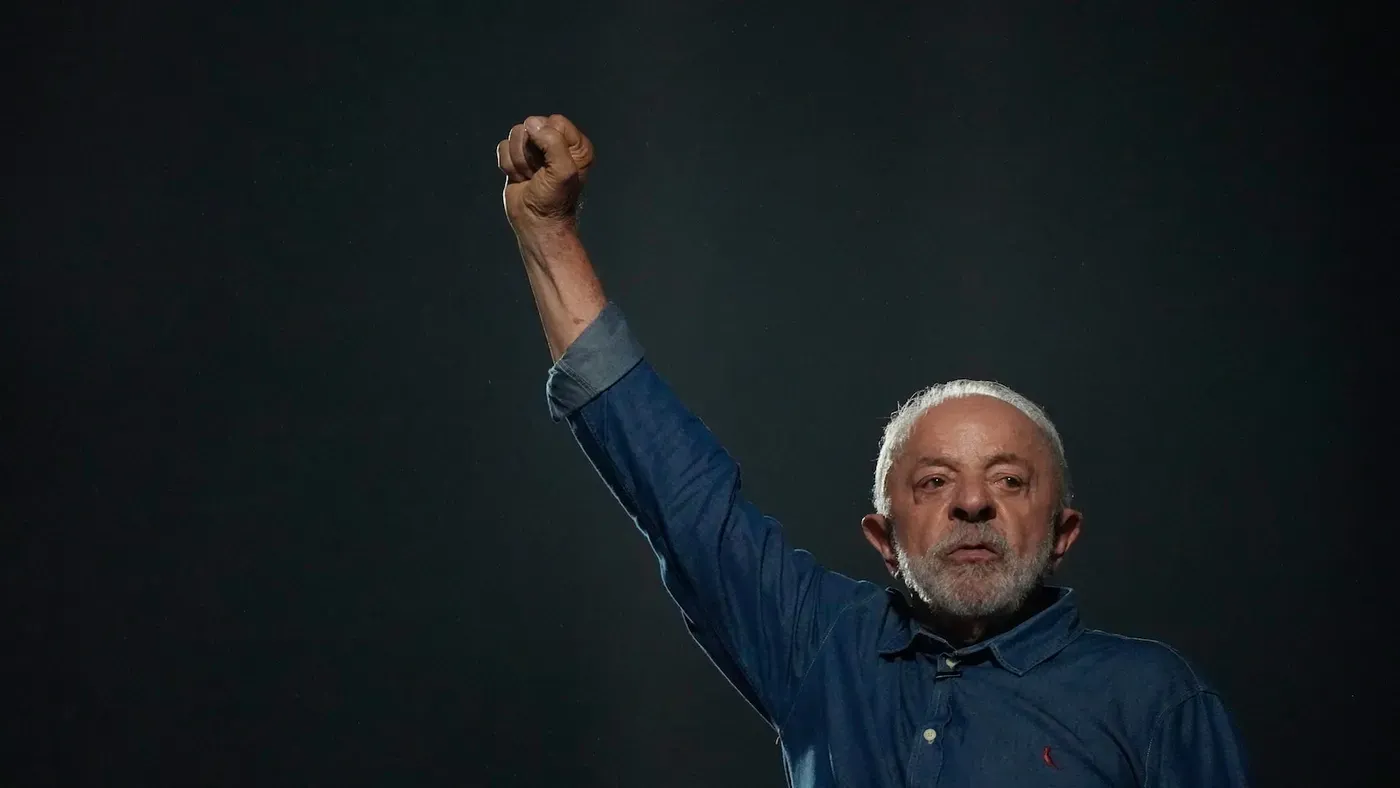
Brazilian President Luiz Inácio Lula da Silva has secured a surprise reelection victory in late October, but his journey to this point is marked by significant challenges ahead.
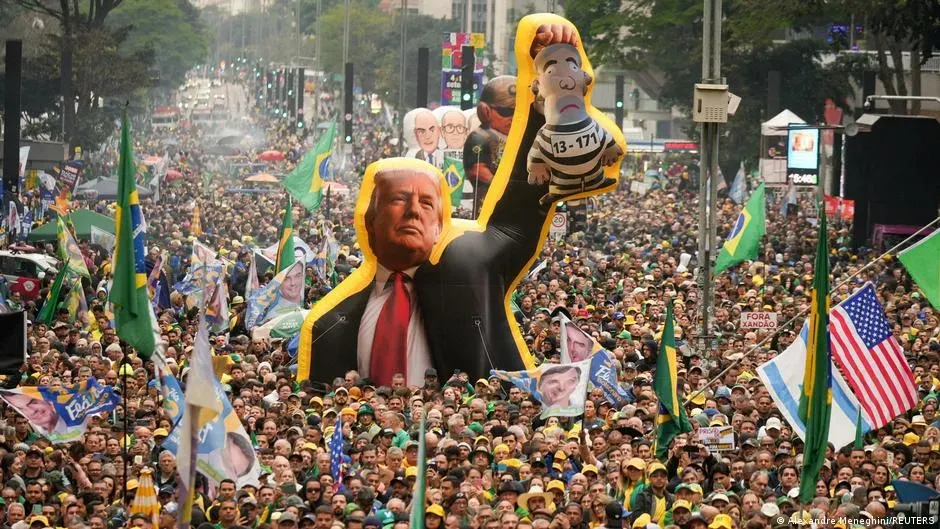
The country remains deeply divided after the election, with many voters expressing dissatisfaction with Lula's most recent term that began in 2023. The president ultimately bested challenger Flávio Bolsonaro by a considerable margin of 4.4 million votes, but this victory does little to alleviate concerns about his leadership. Despite his success at the polls, Lula faces an uphill battle to unite a nation torn apart by ideological differences.
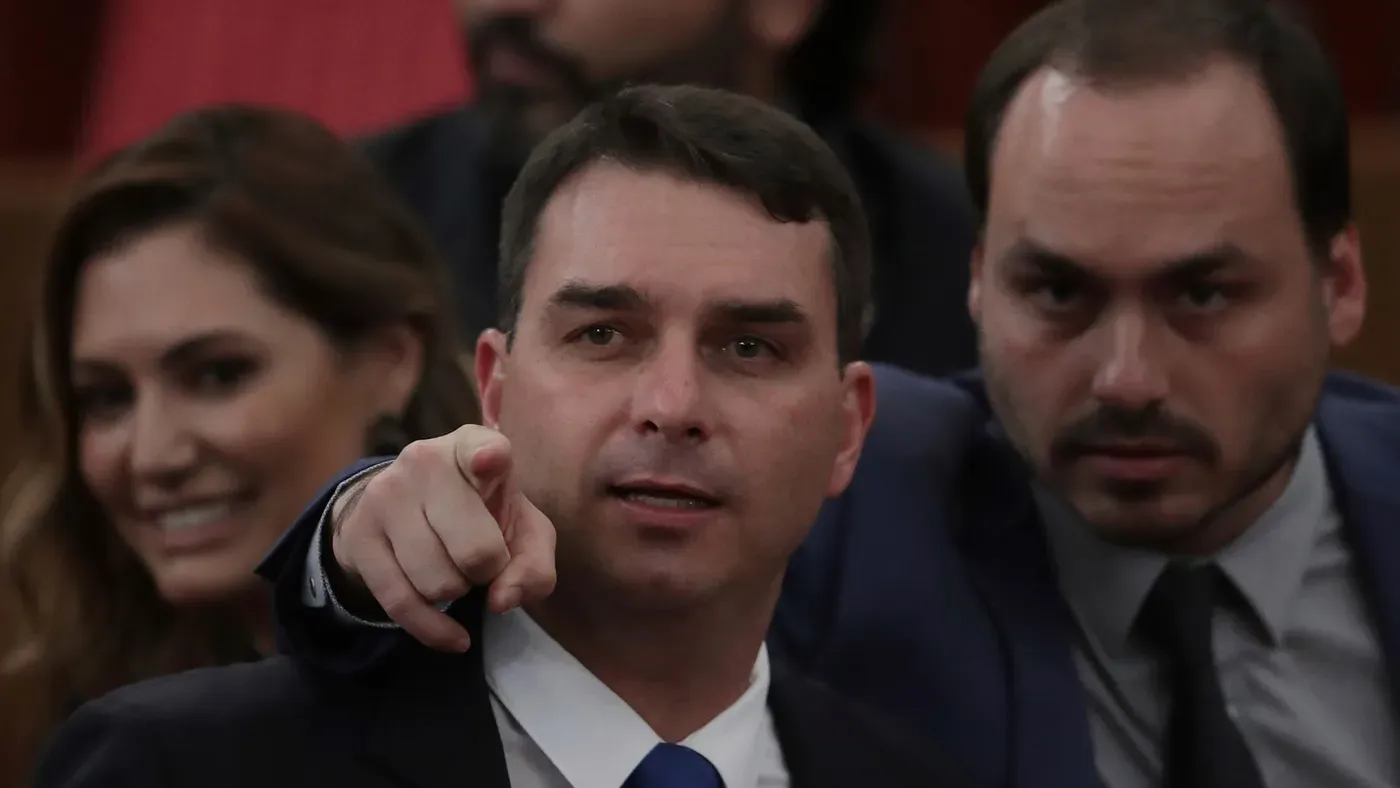
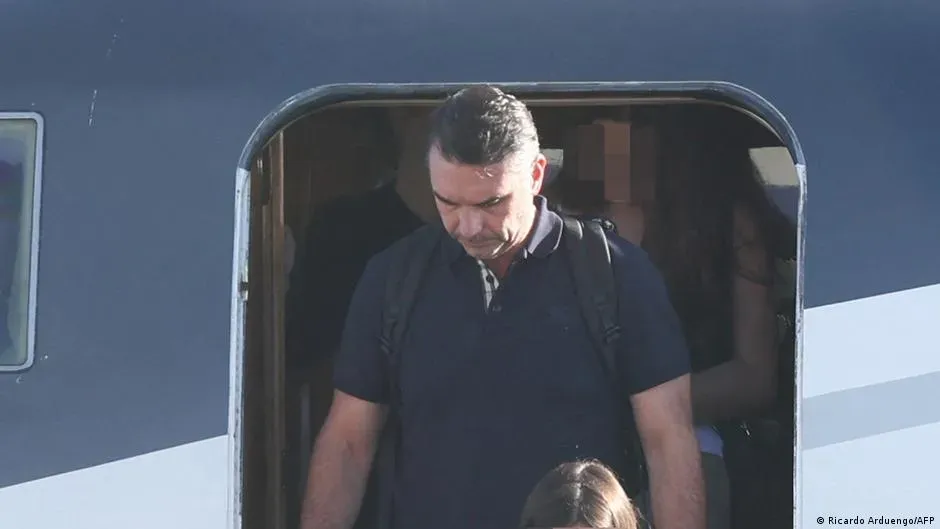
Bolsonaro's refusal to acknowledge the election result has sparked controversy and raised questions about his intentions. The far-right candidate declared himself the victim of electoral fraud without providing evidence and fled to Miami, where he has vowed to lead a fortified opposition from the United States. This development has added fuel to an already volatile political landscape.
Lula's victory has been met with trepidation by investors who had banked on Bolsonaro winning the election. The far-right candidate received more votes than Lula in the first round, and many expected him to emerge victorious. As a result, markets have reacted poorly to Lula's win, with Brazil's currency, the real, plummeting by 12% against the dollar on the day after the election.
The stock market also took a hit, tumbling nearly 14% and failing to recover since then. Economists are now sounding the alarm about Lula's future fiscal policy, expressing concerns that his approach may not align with investor expectations. Sergio Vale, chief economist at MB Associados, has warned that investors are uncertain about what this means for government spending.
Brazil's Lula administration has announced plans to reduce public spending by up to 60 billion reais through tax breaks and spending caps. This proposal is currently being debated in Congress, where it faces scrutiny from lawmakers who are skeptical about its potential impact on the country's economy.
The government's efforts to curb spending come at a time when Brazil's public debt has reached alarming levels. From around 7.2 trillion reais in 2022, the debt has grown to 11.1 trillion reais this year, fueling inflation and keeping interest rates high. Despite record-low unemployment, many Brazilians are unhappy with the state of the economy.
The cost of living remains a pressing concern for Brazilians, who are struggling to make ends meet amidst rising prices. The government's proposed spending cuts may be seen as a step in the right direction, but analysts warn that they could have unintended consequences on the country's economic stability.
Bolsonaro's Liberal Party has emerged as a dominant force in Congress following the October legislative elections. With significant gains in both houses, the party is now well-positioned to block government proposals and even challenge judicial authorities. This shift in the balance of power will undoubtedly pose challenges for Lula's administration.
The opposition is already using its newfound influence to pursue contentious agendas, including the impeachment of Supreme Court Justice Alexandre de Moraes. As a key figure in the investigation that led to Bolsonaro's conviction, de Moraes has become a target for the party's congressional allies.
Brazil's next government faces a complex landscape as it tackles rising crime rates and expanding digital crimes. Crime was a top concern for voters ahead of the election, with many Brazilians feeling insecure about their safety. Insecurity dominated the election cycle, with candidates vying for attention on how they would address this issue.
The country's homicide rate has been steadily decreasing since 2012, but there are still pressing concerns about violence against vulnerable groups and the need to modernize security institutions. Digital crimes have become a major concern in Brazil, with gangs using online platforms to expand their reach and influence. These activities pose significant challenges for law enforcement agencies.
Legislation recently approved by the Senate aims to strengthen government powers in fighting criminal gangs. The bill is seen as crucial in tackling one of Brazil's biggest problems: crime and violence. Lula has emphasized the importance of this legislation in his campaign, highlighting its potential to make a significant impact on public safety.
The country's geography also poses challenges for law enforcement, with paramilitary-type militias entrenched in some regions. In Rio and other states, these groups have gained significant power and influence. The Amazon rainforest is another area where gangs have expanded their reach, further complicating the situation.
Navigating global rivalries will be a key challenge for Lula's government, particularly when it comes to relations between the US and China. According to Ana Garcia, an international relations professor at the Rural Federal University of Rio de Janeiro, this will be a critical aspect of his fourth term in office.
Brazil's relations with the US are expected to be a contentious issue in Lula's fourth term, following years of tension under his predecessor.
The imposition of tariffs by the Trump administration during Lula's third term had pushed relations between the two countries to an all-time low. However, the Democrats' significant gains in the recent midterm election suggest that there is growing pressure to reduce these tariffs, particularly those affecting Brazil.
As a result, analysts predict that ties with China will continue to strengthen, which may not sit well with the US. Meanwhile, the Bolsonaro brothers are likely to maintain their efforts to influence Trump administration allies against Lula's government, but increased scrutiny of Trump's policies abroad could also be on the horizon.
Facts based on reporting originally published by ABC News International.
You may republish this story, in full or in part, if you credit News Central Site and link to it (licence CC BY 4.0). Photos are not included.