Birds Leave the Nest During Peak Breeding Season
A surge in fledgling bird sightings has been reported as peak breeding season unfolds in many parts of Australia.
As spring arrives in many parts of the world, bird enthusiasts and nature lovers take to their neighborhoods to enjoy the sights and sounds of blooming flowers and buzzing bees. However, this time of year also brings a new challenge for birds: raising their young.
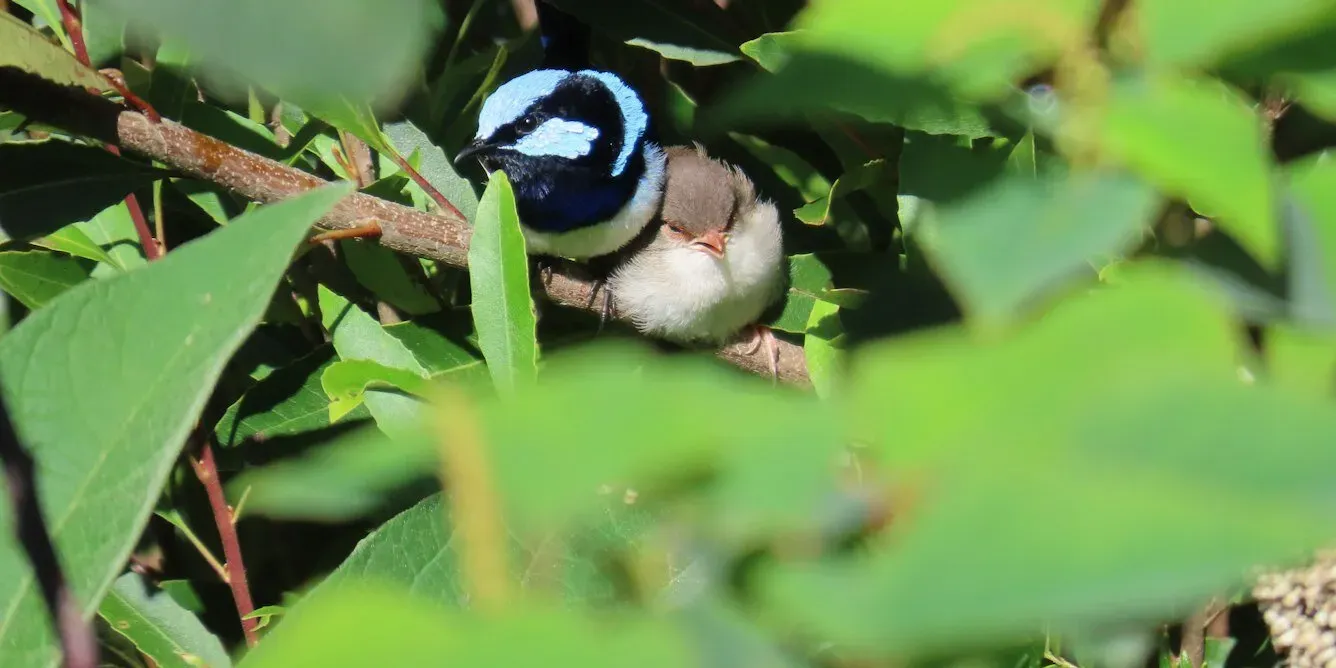
Between September and November, baby birds, known as fledglings, learn to fly and eventually leave the nest. It's not uncommon to spot one of these bedraggled, slightly confused birds on a stroll through the neighborhood, perhaps a magpie lark or red wattlebird struggling to find its footing.
While it may be tempting to rescue these young birds, experts warn that such actions can do more harm than good. Fledglings are still learning essential skills like flying and foraging, and need time to develop these abilities under the watchful eye of their parents.
As peak bird breeding season unfolds in many parts of Australia, typically between September and November, food is plentiful and birds have an easier time feeding their chicks. This abundance of resources also means that young birds are more likely to venture out on their own, making it seem like they're abandoning their nests.
The result is a surge in the number of fledglings being spotted on the ground, struggling to find their place in the world. Like teenagers, these young birds are allowed to be out by themselves but still depend on their parents for meals and guidance.
Fledgling birds often display a mix of juvenile and adult plumage, which can make them appear somewhat unkempt. This uneven look is a normal part of their development process, akin to the awkward phase that many teenagers go through.
When it comes to flying, fledglings typically have the necessary feathers but lack sufficient practice to navigate with ease. They may be seen flapping about on the ground or perched precariously on low branches as they try to master this essential skill.
The presence of a young bird in an unusual location can lead people to mistakenly assume it needs rescuing. However, not all fledglings require assistance, and removing them from their environment can have unintended consequences.
In some cases, birds are taken from their natural habitat after being spotted on the ground or in unfamiliar areas. This practice, often referred to as "bird-napping," can disrupt a young bird's development and deprive it of essential food sources.
Removing a fledgling from its territory may also alter the behavior of its parents, who could potentially abandon their nesting site in response to what they perceive as a loss. This change in behavior can have far-reaching effects on local bird populations.
It's essential to exercise caution when encountering baby birds on the ground, as they may be more vulnerable than adults. One scenario where this is particularly crucial is when a bird is perched near a road or path, increasing its chances of being struck by a vehicle.
In such situations, it's best to approach slowly and give the bird an opportunity to fly away. This gentle approach can help prevent startling the bird into flight, potentially leading to further harm.
If the bird remains stationary, you may need to intervene by carefully picking it up and relocating it to a safer area. When handling birds, it's crucial to use gloves or a soft cloth to minimize the risk of transferring bacteria or other pathogens.
After handling the bird, be sure to wash your hands thoroughly with soap and water to prevent any potential health risks. This precaution is particularly important if you plan on interacting with other animals or humans in the near future.
If the bird appears to be injured, it's best to seek advice from a wildlife caregiver or rescue organization before attempting to care for it yourself. These experts have the knowledge and resources necessary to provide proper medical attention and rehabilitation.
When dealing with baby birds, it's also essential to identify their stage of development. A bird covered in soft downy feathers or pin-like quills is likely a nestling, which requires specialized care due to its dependence on its parents for survival.
When you spot a baby bird on the ground, it's essential to remember that its parents are likely nearby, trying to care for their young one. If you hear birds calling in the area, try placing the nestling as close to them as possible.
Feeding or giving water to the bird can be detrimental, as its delicate mouth and throat may become damaged. In extreme cases, this could lead to suffocation and ultimately result in the bird's death.
By carefully relocating the baby bird near its parents, you can help ensure its survival without interfering with the natural process of care and development.
Facts based on reporting originally published by Phys.org.
You may republish this story, in full or in part, if you credit News Central Site and link to it (licence CC BY 4.0). Photos are not included.