Artificial Intelligence Transformation Redefines Global Workforce Demands
Workers across various age groups are seeking ways to future-proof their careers and stay ahead in the rapidly changing labor market.

As artificial intelligence continues to transform the global workforce, workers across various age groups are seeking ways to future-proof their careers and stay ahead in the rapidly changing labor market.
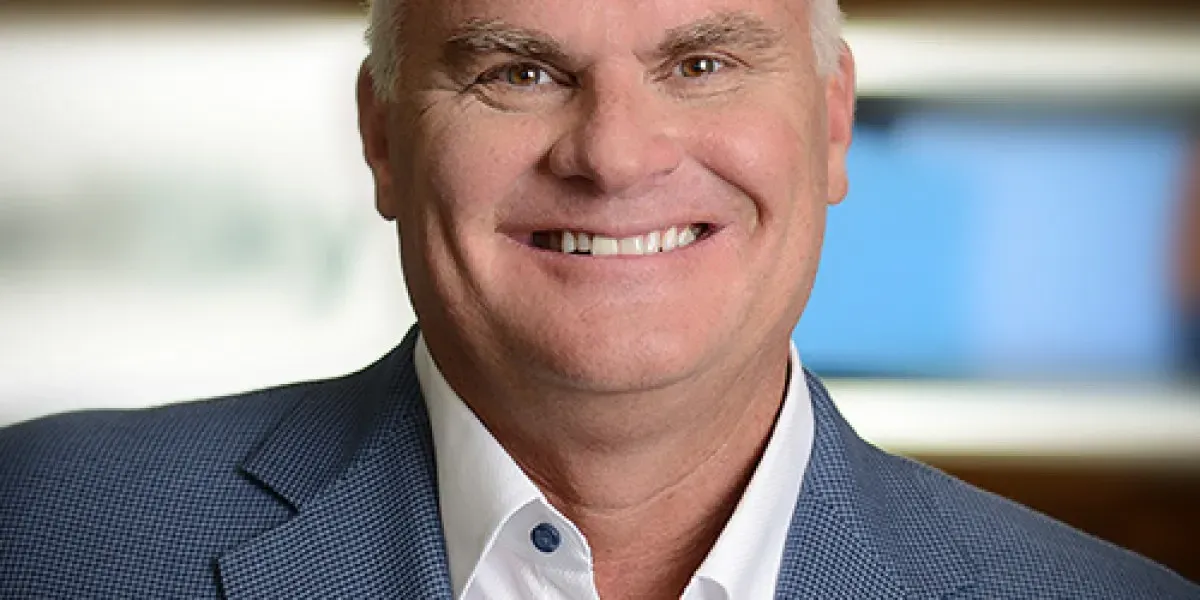
Palantir's CEO Alex Karp has offered a straightforward perspective on who will thrive in this new era. He believes that only two categories of individuals can anticipate success: those with vocational training and those who are neurodivergent.
Karp's first category highlights the growing demand for skilled trades professionals, such as electricians and plumbers. As major tech companies expand their data centers and the US faces existing labor shortages, these workers are becoming increasingly valuable due to their specialized skills that are difficult to automate.
The second category is more complex and personal, encompassing individuals with conditions like dyslexia, ADHD, or autism. For Karp, who has lived with dyslexia, this cognitive difference can be a significant advantage in an AI-driven world, not because of the diagnosis itself but because it fosters a unique mindset that values creativity and risk-taking.
Karp attributes success to individuals who approach problems from unconventional angles, much like artists do when creating something new. He emphasizes that those who think differently and are willing to take risks will be better equipped to excel in this rapidly evolving landscape.
A growing number of companies are recognizing the value of recruiting neurodivergent individuals to improve business performance. According to a Gartner study, by 2027, one-fifth of sales organizations within Fortune 500 companies plan to actively seek out and hire neurodivergent talent.
This trend is also reflected in Palantir's hiring practices, which have made it clear that being neurodivergent is seen as an advantage. The company offers a dedicated "Neurodivergent Fellowship" aimed at recruiting individuals who think differently from traditional hires.
The emphasis on neurodivergent candidates reflects a broader skepticism of traditional career pathways. Karp has been blunt about the limits of higher education in an AI-driven economy, where skills are rapidly becoming obsolete.
As a result, companies will need to adapt and find new ways to attract and retain talent. This includes recognizing and valuing individuals who may not fit into traditional molds but possess unique perspectives and abilities that can drive innovation and growth.
Palantir's innovative approach to talent acquisition continues with its Meritocracy Fellowship program, designed for high school graduates who are not enrolled in college. This initiative attracts students who feel that attending college is not compulsory or those who were unable to secure a spot at their preferred institution.
The fellowship has seen an overwhelming response, with over 500 applicants vying for the 22 available spots. Notably, these selected individuals received a stipend of $5,400 per month and had the opportunity to earn a Palantir degree while skipping college debt.
As the job market evolves, young people are increasingly recognizing that a college degree is no longer a guarantee of success. This shift in perspective is reflected in the growing number of Gen Z graduates who are exploring alternative paths to entry-level roles.
In contrast, some tech leaders argue that higher education remains essential, particularly for liberal arts programs. According to Jaime Teevan, Microsoft's chief scientist, studying disciplines that emphasize critical thinking will become increasingly valuable as AI transforms the workforce.
As the world becomes increasingly reliant on artificial intelligence, certain skills are expected to become more valuable than others. Critical thinking and metacognitive abilities, such as flexibility and adaptability, will be essential for individuals to thrive in this new landscape.
According to experts, developing these critical-thinking skills requires a willingness to challenge oneself and engage in deep thinking, even when faced with difficult tasks or situations. A traditional liberal-arts education is seen as an ideal foundation for cultivating these abilities.
While some argue that trade workers will be the primary beneficiaries of the AI era, others contend that individuals who possess essential human qualities such as empathy, kindness, and compassion will become increasingly sought after in the job market.
Facts based on reporting originally published by Fortune.
You may republish this story, in full or in part, if you credit News Central Site and link to it (licence CC BY 4.0). Photos are not included.