Artificial Intelligence Not Bringing Unique Solutions to TV Interface Problems
A recent social media trend claims that artificial intelligence can "vibe code" a better TV interface by eliminating clutter and ads, but experts say this is misleading and misguided.
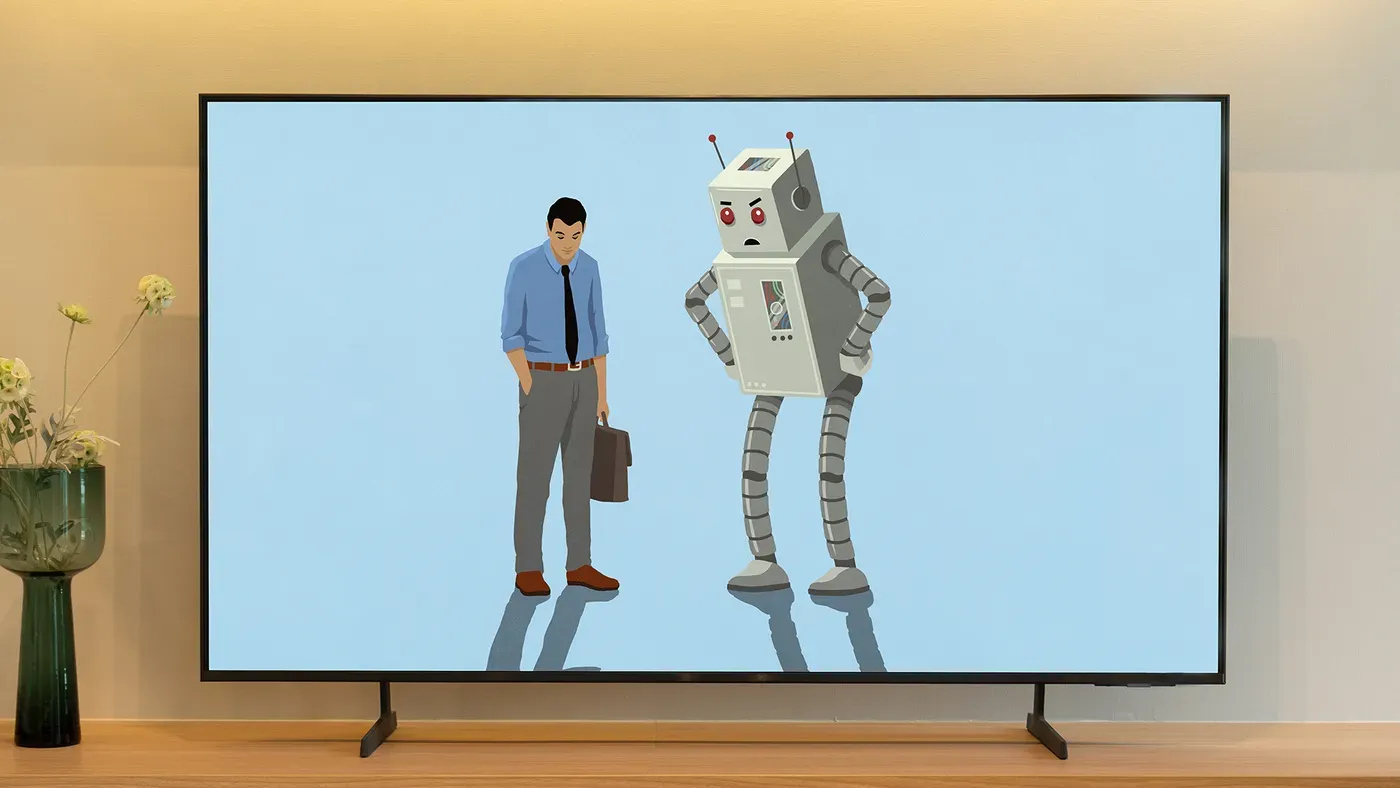
A recent trend on social media platforms claims that artificial intelligence (AI) can "vibe code a better TV interface by eliminating clutter, ads, and tracking. However, this notion is not only misleading but also misguided.
Frustration with modern TV interfaces is understandable, as they often come loaded with advertisements and invasive tracking features. These issues have been widely discussed and criticized by experts in the field.
But here's the thing: AI is not bringing any unique solutions to the table. In fact, it's possible to achieve similar results without relying on AI at all. Moreover, using AI in this context may even pose risks that could compromise TV functionality or worse.
The term vibe coding refers to the process of using AI agents to write programming code for applications and websites. Instead of learning a programming language, users can communicate their needs to an AI agent in plain English, which then generates code accordingly.
People claiming to use AI to create a new TV operating system often cite Claude as the AI agent of choice. They assert that this new OS is faster, easier to use, and free from ads, but these claims require closer examination to determine their validity.
TV operating systems are notoriously complex, making them vulnerable to unintended consequences when tampered with.
A TV engineer who spoke anonymously about this phenomenon laughed at the idea of vibe coding a TV's OS without proper knowledge or expertise. This individual explained that fixing one issue in software can often create 10 new problems elsewhere in the system, a common challenge in software development. As a result, users attempting to modify their TVs' operating systems may inadvertently cause more harm than good.
Reports have already surfaced of individuals bricking their TVs by trying to vibe code them, rendering their devices unusable and expensive paperweights. This is a stark reminder that messing with the underlying software of a TV can be a recipe for disaster, especially for those without technical expertise.
Furthermore, even if a user successfully vibe codes their TV's OS, there are potential long-term issues that may arise. For instance, will the new operating system continue to support popular apps like Netflix? Or will it lead to compatibility problems and errors when these apps need updates?
The lack of guarantees surrounding the success of vibe coding raises more questions than answers. Can users be certain that additional AI-powered modifications will resolve any issues that arise from the initial changes? And what happens if a user needs to perform a factory reset, restoring their TV to its original state?
The reliance on AI to vibe code" a TV raises concerns about security and control over one's device. Without a thorough understanding of the underlying code, users may unknowingly introduce vulnerabilities that could compromise their TV's integrity.
The true intention behind using AI for this purpose is unclear. Is it to create a faster interface with fewer ads? This can already be achieved through more conventional means, as will be discussed in the next section.
For Android TV users, there are alternative ways to customize their interface without relying on AI-powered coding. Android TV launchers allow users to swap out the stock user interface for one that is often simpler and highly customizable.
Some popular Android TV launchers include Projectivity, Monet, and TV Launcher Premium Smart UI, among others. These options offer a range of customization possibilities, from sleeker interfaces to more intuitive navigation systems.
The AT4K Launcher even offers an Apple TV-like interface for Android TV devices, giving users the option to adopt a familiar design aesthetic without needing AI-driven coding solutions.
A common issue with company-specific TV operating systems is their tendency to lock down features and prevent users from making modifications to suit their needs.
This lockdown can make it difficult for users to take advantage of custom launchers or other third-party apps that offer more flexibility and control over the TV's interface.
If a user tries to use AI-powered coding solutions, they may find that these systems are not compatible with their specific TV model due to its proprietary operating system.
In reality, the AI is often simply regurgitating pre-existing code written by human programmers, rather than performing any genuinely innovative or clever actions.
The irony of using AI to block personal data tracking on a TV while still providing access to the very same data through these coding solutions is not lost on some observers.
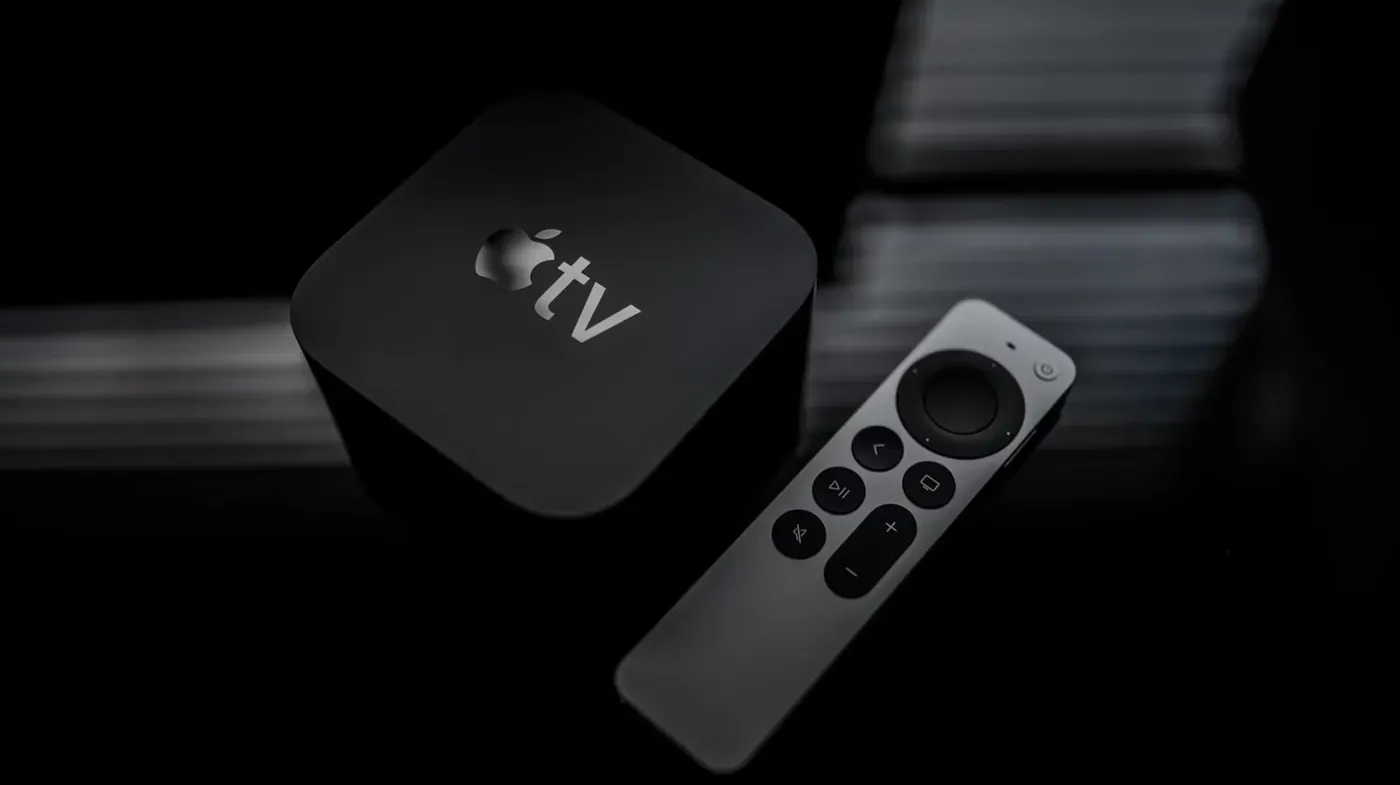
Using streaming devices in general can also raise concerns about data collection and tracking, as even popular platforms like Apple TV 4K are known to collect user data to varying degrees.
Ultimately, users may find that the simplest solution to achieving their desired TV experience is to try a launcher app or explore other third-party options rather than relying on AI-powered coding solutions.
Facts based on reporting originally published by CNET.
You may republish this story, in full or in part, if you credit News Central Site and link to it (licence CC BY 4.0). Photos are not included.