French Healthcare System Offers Support for New Mothers
I made the bold decision to leave my life in the US behind and relocate to France when I met and married a French man at a dinner party in Chicago.
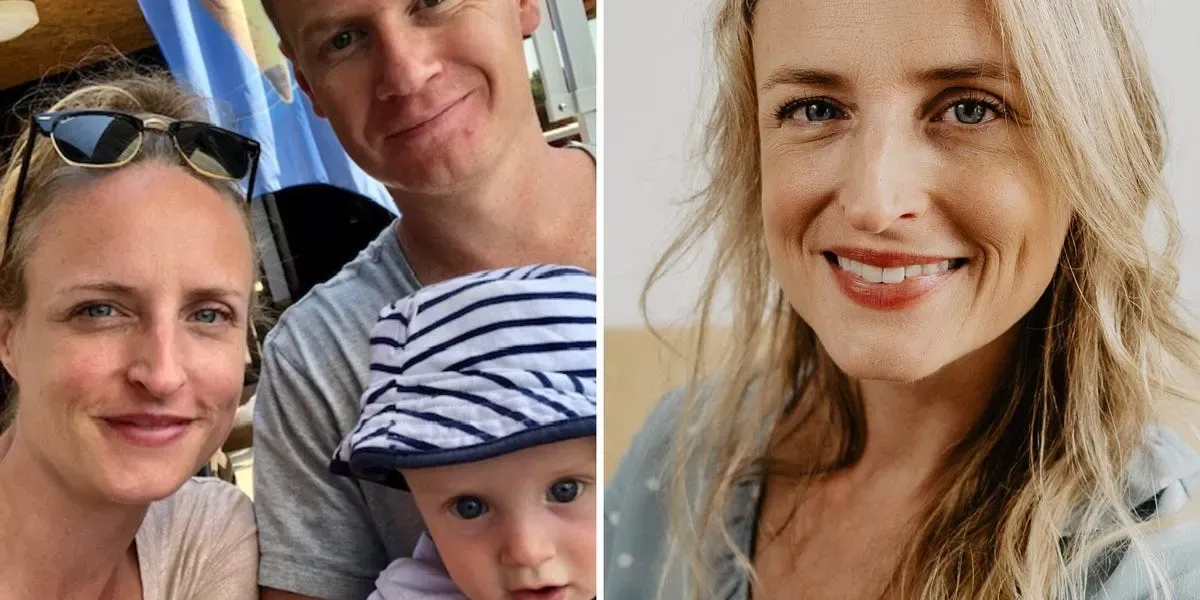
I made the bold decision to leave my life in the US behind and relocate to France when I met and married a French man at a dinner party in Chicago.
Our love for each other and his family led me to want to experience the rich culture of France firsthand and immerse myself in the French language.
Initially, our move was meant to be temporary, lasting only two years, but life had other plans as we settled into a new home and started building a life together.
The pandemic changed everything when I became pregnant; it suddenly made sense for us to stay in France and start a family there.
As a soon-to-be mother, I was anxious about navigating the healthcare system in a foreign country.
The hospital stay for my newborn son Philippe was extended due to his weight loss. The medical staff wanted to keep a close eye on him for six days before discharging me and my baby.
During this time, I received assistance from the midwives who helped with caring for Philippe throughout the day. They provided guidance on essential tasks like feeding, bathing, and changing diapers. This support gave me confidence in my ability to care for my child once we left the hospital.
The generous meal I was served during my stay, complete with Camembert and Black Forest Cake, was a welcome surprise. What's more, I didn't have to pay for it.
In contrast, some of my friends back in the US had expressed concerns about affording the costs associated with pregnancy and parenthood.
The expenses related to caring for an infant, from baby furniture to diapers, clothes, and other necessities, are significantly lower here in France compared to what I've heard is typical in the US.
The transition from day care to formal education in France is a seamless one for Philippe's peers. At two-and-a-half years old, he started attending école maternelle, which provides pre-primary education to children aged 3 to 5.
This system has been around since the 19th century and was officially incorporated into the French education system in 2019. However, by that time, an impressive 97% of students were already enrolled. The rate of enrollment is now at a remarkable 100%, making France a leader in pre-primary education within the EU.
The food served at école maternelle is just as impressive as the educational experience itself. Children are treated to hourlong lunches, carefully prepared and presented on ceramic plates. The menu features a variety of dishes, with prices ranging from $1 to $5 per day, depending on the parents' income level.
École maternelle places great emphasis on teaching children essential social skills, promoting their development as conscientious citizens and friends. Activities such as reading and writing are also encouraged, all within the context of a completely free education system.
The cost of childcare in France is significantly lower compared to what American families face. For instance, a full-time aftercare program for our child costs just under $25 per week, which translates to around $5 per day.
France's educational system also offers children regular breaks throughout the year, including an eight-week summer holiday that's shorter than its US counterpart. This means we don't have to worry about finding expensive childcare solutions during these periods. In fact, local recreation centers offer all-day programs in the summer, providing a range of activities and sports for kids.
These municipal-run programs are priced based on income, making them an attractive option for working parents like us. We paid around $15 per day for our child's enrollment in one such program this summer, which worked out to about two weeks' worth of care. Splitting the remaining days between grandparents, family time, and specialized camps kept costs under $1,000 for the entire summer.
As our child grows older, we're discovering that extracurricular activities in France are also remarkably affordable. This is a welcome change from what we experienced in the US, where such expenses can quickly add up.
The cost of extracurricular activities for our child is significantly lower here in France. We pay under $200 a year for Judo classes, a expense that would likely be much higher back home. This is a welcome change from the financial burden we'd face in the US.
While prices for everyday items and childcare costs are indeed lower in France compared to the United States, our salaries don't quite match those of our American counterparts. The trade-off seems fair to us, though, we're saving money on living expenses but earning less overall. It's a delicate balance that we've grown accustomed to.
We're not planning to return to the US anytime soon, as our child has become deeply immersed in the French education system and switching schools would be complicated. In fact, university tuition fees here are also more manageable than what we'd face back home, about $1,200 a year compared to the potential $240,000 bill for an American college.
Facts based on reporting originally published by Business Insider.
You may republish this story, in full or in part, if you credit News Central Site and link to it (licence CC BY 4.0). Photos are not included.