Alcohol consumption disrupts sleep quality despite initial sedative effects
Research suggests that having a drink before bed can help individuals fall asleep faster, but ultimately reduces the quality of their sleep.
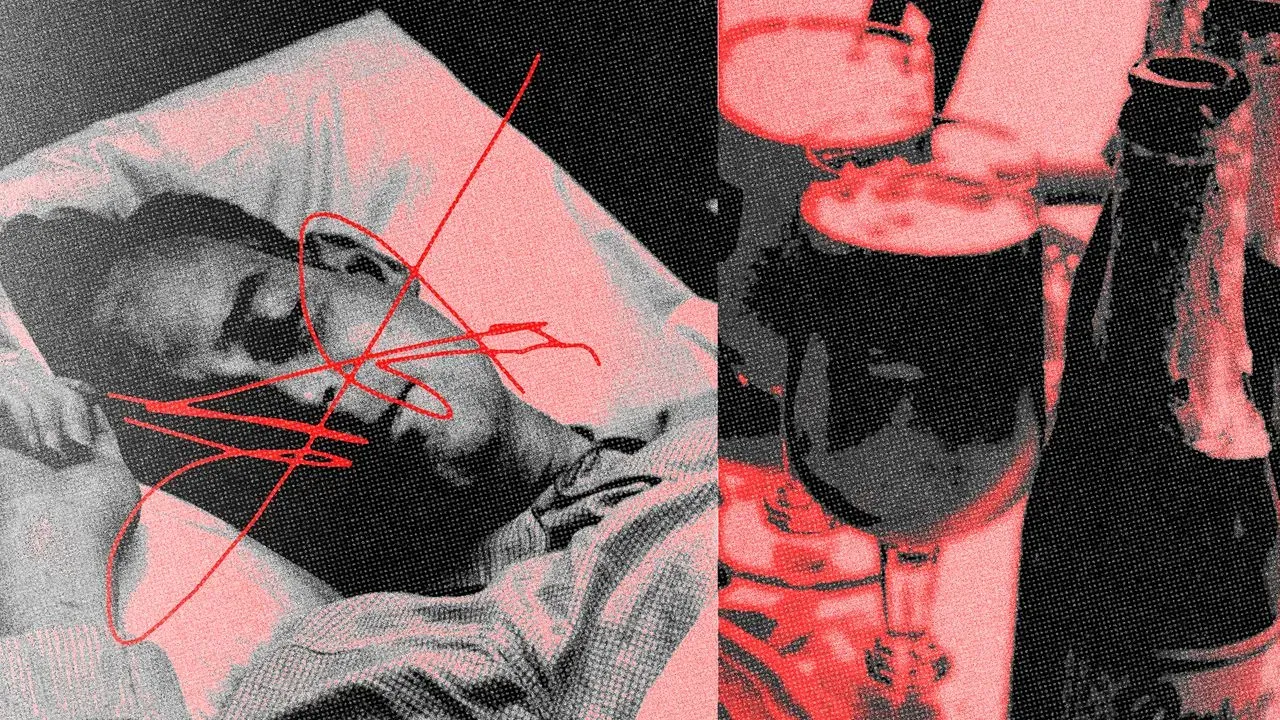
The relationship between alcohol consumption and sleep is a complex one, often misunderstood by those who rely on a nightcap to drift off to dreamland.
Research suggests that while having a drink before bed can indeed help individuals fall asleep faster, it ultimately disrupts the quality of their sleep.
This phenomenon is attributed to the way alcohol affects the brain's chemistry, particularly in relation to neurotransmitters such as serotonin and melatonin.
The initial sedative effects of alcohol may lead to an individual feeling drowsy and relaxed, making it easier to fall asleep initially.
Alcohol can also reduce the amount of time spent in deep sleep, a crucial stage for physical recovery and memory consolidation.
A study found that even moderate drinking can have negative consequences on sleep quality.
Experts warn that relying on alcohol as a means to induce sleep is not a sustainable solution, as it can lead to dependence and disrupt overall health.
The key lies in understanding the mechanisms behind alcohol's effects on sleep and finding alternative methods to promote better rest.
The body's need for safety before sleep is a biological mechanism that has been passed down through generations. This instinctual response was crucial in times when humans were exposed to predators and falling asleep would leave them vulnerable. However, this same response can be problematic in modern times when individuals are exposed to stressors like work deadlines or social media updates.
When the mind is preoccupied with worries about the next day's tasks or stimulated by recent events, it fails to relax enough for the body to initiate sleep. This tension prevents the body from entering a state of complete relaxation necessary for restful sleep.
Alcohol can appear to be a solution to this problem as it sedates individuals and reduces anxiety levels. However, this does not necessarily translate to better sleep quality. According to Dr. Christopher Allen, MD, falling asleep faster is not the same as sleeping more soundly.
Dr. Allen highlights that there's a distinction between being sedated and truly asleep. Sedation is a state of deep relaxation induced by substances like alcohol, whereas real sleep involves cycling through various stages, including REM and deep sleep. The body perceives alcohol-induced sedation as feeling safe, but it does not provide the same benefits as actual sleep.
As the night wears on, the sedative effects of alcohol begin to wear off, disrupting sleep patterns and making it difficult for individuals to get quality rest.
This is particularly true in the second part of the night, when REM and deep sleep are typically most beneficial. However, research suggests that drinking can interfere with these critical stages of sleep, leading to a lack of consolidation of memories.
As a result, people often wake up in the middle of the night, feeling groggy and disoriented. Moreover, they may also wake up feeling unrefreshed in the morning, a phenomenon that can have long-term consequences for brain health.
When REM and deep sleep are consistently disrupted, it can lead to an increased risk of cognitive decline and even neurodegenerative diseases like Alzheimer's, as suggested by a 2022 study published in Frontiers in Neurology.
The impact of alcohol on sleep is influenced by several key factors, including the amount consumed and the timing of consumption in relation to bedtime.
When drinking occurs close to bedtime, its effects on sleep are more pronounced than if it were consumed earlier in the evening.
As a regular part of winding down after work or at social occasions, it's easy for alcohol to become a habitual component of one's pre-sleep routine.
This habituation can be particularly problematic when relying on alcohol as a means of falling asleep.
Prolonged excessive drinking can lead to a vicious cycle of insomnia that may take months or even years to overcome.
When people in recovery from alcoholism struggle with insomnia, it's often because their brain chemistry has been permanently altered by repeated exposure to alcohol.
This habituation can make it extremely difficult for individuals who are accustomed to relying on alcohol to fall asleep without it.
They may find themselves struggling to wind down and relax at night, leading to a persistent sleep disorder that requires professional treatment.
People who have developed a pattern of drinking heavily before bed often struggle to break this cycle and establish healthy sleep habits.
To overcome this challenge, experts recommend starting by abstaining from alcohol altogether, rather than relying on it as a means of falling asleep.
In addition to avoiding screens, dimming the lights, and maintaining a cool bedroom environment, individuals should also prioritize relaxation techniques before bedtime.
In order to establish a healthy sleep routine, individuals should prioritize relaxation techniques before bedtime, in addition to avoiding screens and maintaining a cool bedroom environment. Dr. Alattar emphasizes the importance of having a calming pre-sleep routine, such as reading or listening to a podcast, to signal the body that it's time to rest.
However, some activities can actually interfere with sleep, including checking work emails or watching news before bed. If an individual continues to struggle with falling asleep despite trying these strategies, they may need to consult a sleep doctor to rule out underlying health conditions and develop a personalized plan. This could involve therapies like cognitive behavioral therapy, as recommended by Dr. Walker for those experiencing alcohol-induced insomnia.
It's essential to remember that relying on alcohol to fall asleep can have negative consequences in the long run. While occasional moderate drinking may not be detrimental, making it a nightly ritual can harm brain function.
Facts based on reporting originally published by GQ.
You may republish this story, in full or in part, if you credit News Central Site and link to it (licence CC BY 4.0). Photos are not included.