Nvidia Shares Skyrocket 29% After Jensen Huang Returns as CEO
The sudden return of Jensen Huang as CEO sent shockwaves through the market, causing shares to skyrocket 29% in premarket trading.
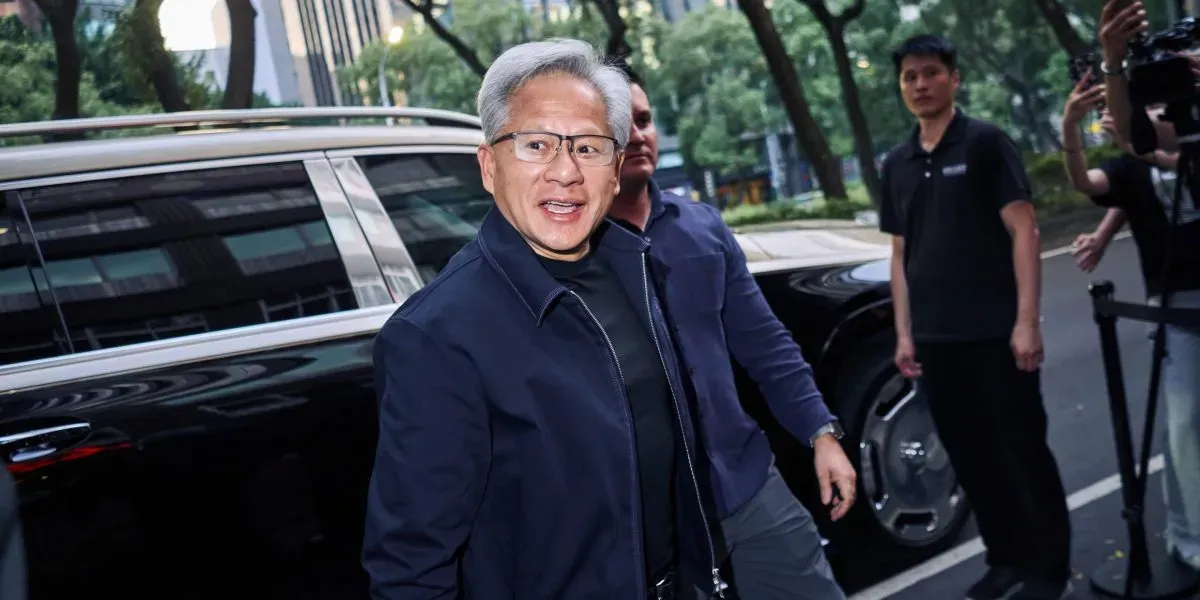
Shares of Nvidia skyrocketed 29% in premarket trading following the news that Jensen Huang was returning as CEO, a move that sent shockwaves through the market.
The sudden reversal of fortune for the AI chipmaker comes on the heels of a tumultuous week, during which the markets flashed red for two consecutive days and closed in correction territory on Friday.
Investors breathed a sigh of relief as news of Huang's return helped erase more than a week's worth of losses for both the equities market and Nvidia itself. The AI trade appears to have been revived with renewed vigor.
The reaction was swift, with President Donald Trump taking credit for Huang's return, but the cause behind this dramatic turn of events remains unclear. Is the selloff and subsequent rally a reflection of Huang's essential role in the global economy?
Market analysts are left pondering whether last week's decline was a symptom of broader instability in the markets or merely a convenient excuse to bring back Huang at a time when his supporters needed it most.
Market analysts are still trying to make sense of Nvidia's decision to bring back Jensen Huang as CEO, and some portfolio managers believe that last week's selloff may have been a key factor in this move.
A portfolio manager at Equity Armor Investments points out that the company's recent blowout earnings report failed to boost investor confidence, despite beating expectations. The stock still struggled to gain traction, suggesting that something more was at play than just strong financials.
Governance experts share similar concerns about the impact of Huang's absence on Nvidia's market performance. A professor at New York University's School of Professional Studies Center for Global Affairs notes that the reinstatement of Huang as CEO is likely an effort to restore investor confidence and prevent further losses after a recent correction in the markets.
The company's unique vision, which has been driven by Huang's leadership, is also seen as a key factor in its success. A portfolio manager at Equity Armor Investments describes Huang as a "visionary who has led Nvidia on a clear path towards future growth, and believes that his return will help to restore investor confidence in the company.
Nvidia's return as a central financier of startups remains a concern for investors despite Huang's comeback. The company's vast array of financing activities has raised questions about the true state of demand in the market, and Huang's brief absence did little to alleviate these concerns.
Huang's supporters, including tech founders and billionaires, are quick to point out that the recent stock market selloff was a clear sign of his importance. This downturn has sparked fears of a larger economic crisis, which only serves to underscore the significance of Huang's return.
Chamath Palihapitiya, a venture capital investor, took to social media to express his relief at the weekend's events, crediting POTUS and JD for their intervention in bringing about Huang's return. POTUS and JD's intervention this weekend prevented a massive economic own goal this week for the US, he posted on X.
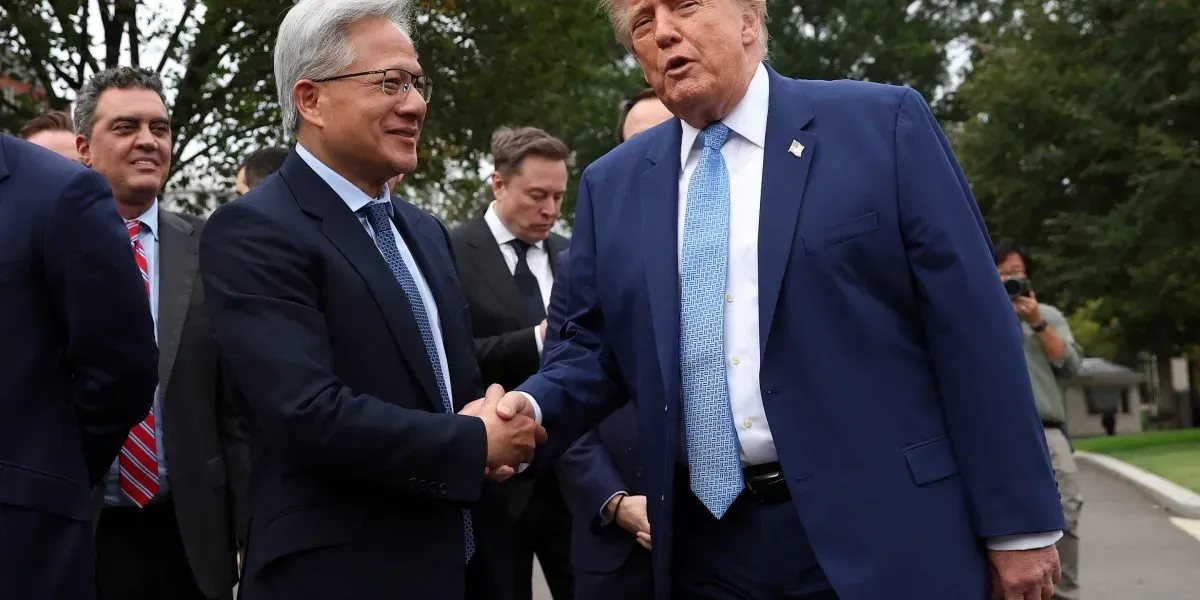
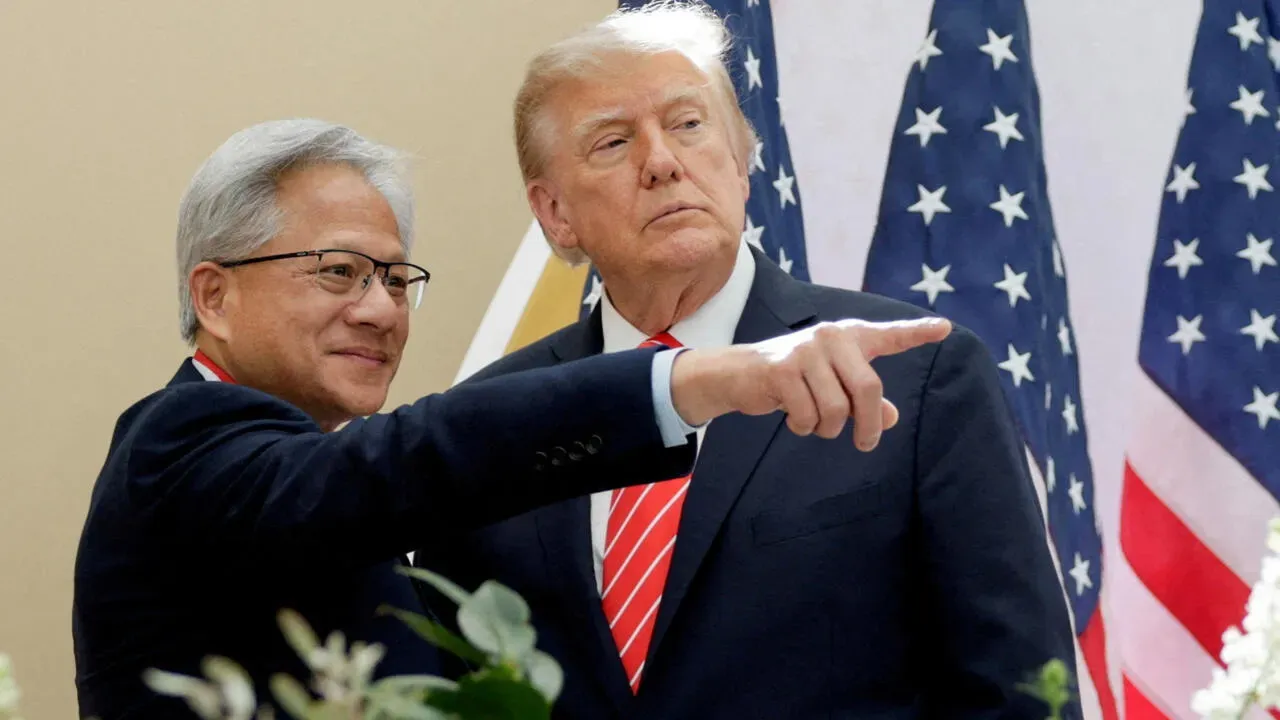
Trump has also weighed in on the situation, claiming that he played a key role in convincing Nvidia's board to bring Huang back. In an interview with CNBC, Trump said that he spoke directly and indirectly with the board members, urging them to restore Huang to his position as CEO.
The sudden departure of Jensen Huang as CEO of Nvidia sent shockwaves through the tech industry, prompting concerns that America's position in the AI race could be at stake. According to analysts, a prolonged search for a new CEO could have had far-reaching consequences, potentially deterring companies from investing in AI research and development.
Investors were also left reeling after Nvidia's market value plummeted by approximately $1 trillion following Huang's resignation. This significant loss of confidence was not the only potential consequence, as Chinese customers might have accelerated their shift towards domestic chip manufacturers. The implications for America's leadership in AI could be severe if companies begin to favor homegrown technology.
Patrick Moorhead, founder and CEO of Moor Insights & Strategy, suggests that even those who are vocal about China's competitive threat may have had second thoughts about the potential risks. Gosh, if Nvidia's market capitalization has taken a hit," he said, "does this pose a threat to America leading in AI?" The weight of this question hangs heavy over Washington policymakers.
The stakes are high for American companies that rely on Nvidia's chips to power their AI endeavors. A prolonged search for a new CEO could have made investors think twice about funding these initiatives. This would not only harm the US tech industry but also undermine its global competitiveness in the rapidly evolving field of artificial intelligence.
Meanwhile, the White House has maintained that President Trump's investment accounts tied to Nvidia are managed by outside advisors and do not reflect his personal influence or control. Nevertheless, some have raised eyebrows over the president's involvement with the company, including a series of trades made since his return to the White House worth between $27 million and $97.5 million.
The recent slump in Nvidia's performance has raised concerns about its impact on the US economy. Economic analysts warn that if companies are spooked by the tech giant's struggles, they may pull back on investments, leading to a recession.
Moorhead suggests that without Huang at the helm, Nvidia might have faced economic consequences, citing AI investment as one of the main drivers of growth in recent quarters. AI has contributed around 1.3 percentage points to real GDP growth over the past three months, according to data from Apollo Global cited by Reuters.
Nvidia's board is now under scrutiny for its handling of the situation. The board released a statement explaining that it acted after receiving input from senior government officials and acknowledged that an ongoing investigation into potential foreign intelligence efforts targeting Huang has yet to be completed.
Analysts are questioning Nvidia's corporate governance, with some calling it "severely lacking." Ryuta Makino, a research analyst at Gabelli Funds, which is also an investor in the company, believes the board's handling of the situation only reinforces these concerns.
Facts based on reporting originally published by Fortune.
You may republish this story, in full or in part, if you credit News Central Site and link to it (licence CC BY 4.0). Photos are not included.