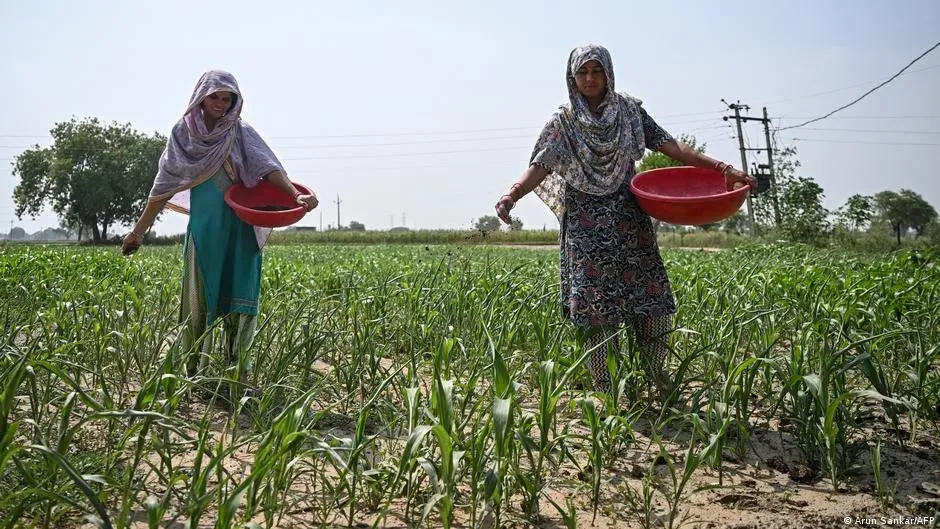
Yemen Conflict Escalates as Houthi Rebels Seize Perim Island
Houthi rebels have seized control of Perim Island in the Bab el-Mandeb Strait, a strategic location that connects the southern entrance of the sea to the Gulf of Aden.
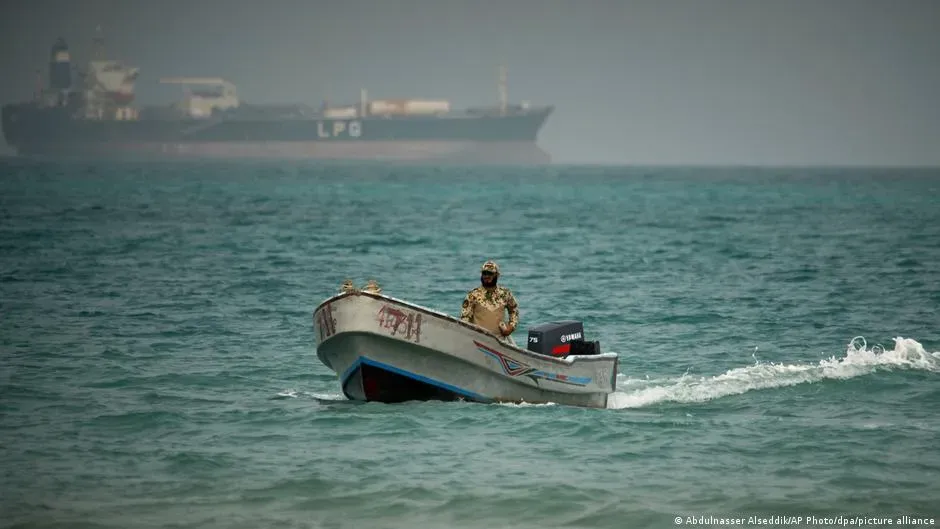
The conflict in Yemen has escalated to a critical point, drawing international attention as Houthi rebels, backed by Iran, have seized control of Perim Island in the Bab el-Mandeb Strait. This strategic location, situated at the narrowest point of the Red Sea, connects the southern entrance of the sea to the Gulf of Aden and is crucial for global trade.
The capture of Perim Island has significant implications for countries along Africa's Red Sea coast, including Djibouti and Ethiopia, which are only 20 kilometers away from the island. The proximity of the conflict to these nations raises concerns about their economic stability and national security.
Tensions in the region have been escalating since the start of the Gaza war in 2023, with Houthi rebels firing on merchant ships passing through the Bab el-Mandeb Strait. This has led to a shortage of fuel and fertilizer in African economies, which are already struggling due to the crisis in the Strait of Hormuz.
The situation is further complicated by the fact that if the Bab el-Mandeb Strait becomes impassable, shipping companies would be forced to make detours via the Suez Canal or the southern tip of Africa. This would result in significant additional costs being passed on to consumers, exacerbating the economic challenges faced by African nations.
The humanitarian crisis in Yemen has already had a devastating impact on neighboring countries, with at least 3,700 refugees crossing from Yemen into Djibouti since September 10, according to the UN refugee agency (UNHCR). The majority of those who have made it to the Obock region are women, children, and older people.
The desolate landscape of Obock is a stark reminder of the challenges faced by those who have made it to this Djiboutian region.
Obock's arid conditions are exacerbated by the lack of groundwater, forcing aid agencies to rely on desalination to provide drinking water for the influx of refugees. Alessandra Roccasalvo, the UN Development Program representative for Djibouti, highlighted the difficulties in securing a reliable source of water.
Djibouti's strategic location at the entrance to the Red Sea has made it an attractive hub for international shipping and military operations. The country hosts several foreign military bases, including those operated by the United States, China, France, Italy, and Japan.
The presence of these foreign military bases underscores Djibouti's importance in regional security, while its civilian ports serve as vital transshipment hubs for global trade. Despite the Houthi conflict, Djibouti's docks remain operational, but aid agencies are bracing for potential economic consequences.
Roccasalvo noted that Djibouti is experiencing an economic upswing, driven by increased demand for building materials such as cement and raw resources to support infrastructure development.
Djibouti's ports are crucial for Ethiopia, which relies heavily on them for trade. The country handles approximately 95% of its imports and exports through these facilities. However, the ongoing Houthi conflict is having a ripple effect on shipping costs.
The war in Yemen has led to significant increases in insurance premiums for ships passing through the Red Sea. This, in turn, has resulted in higher costs for shippers using Djibouti's ports. The added expenses are a major concern for Ethiopia, which relies heavily on imports and exports.
Ethiopia is not only affected by the increased shipping costs but also by the growing instability in its own northern region of Tigray. Fighting broke out there on September 23, further straining an already fragile situation.
The conflict has raised concerns about another potential trade blockade affecting Ethiopia's economy. The country's main corridor for transporting goods to and from Djibouti is vulnerable to disruption.
Despite the ENDF making gains against rebel forces in Tigray, observers note that the situation remains volatile. As long as the conflict continues, there is a risk of renewed instability and potential disruptions to trade.
In addition to these challenges, Ethiopia has already been affected by fuel shortages caused by the blockade of the Strait of Hormuz. The country's goal is to reduce its dependence on imports in the long term by increasing domestic production and reducing reliance on foreign gasoline.
The diplomatic tensions between Ethiopia and Eritrea have created an unstable environment in the region, prompting other regional powers to reassess their alliances.
Eritrea perceives itself as vulnerable due to Ethiopia's claims of historical injustices, including being landlocked since Eritrea gained independence. This perceived threat has been repeated by Ethiopian Prime Minister Abiy Ahmed on multiple occasions.
The strategic port of Assab in Eritrea is seen as a prime target if tensions escalate into conflict, given its location on the edge of the country's panhandle and its significance for regional trade.
Experts have expressed concerns about the growing cooperation between the Houthi rebels and Al-Shabab, a Sunni terrorist group based in Somalia. Despite their differing ideologies, both groups share common enemies, including Israel and the US.
The potential for increased conflict in the region could lead to further restrictions on passage through the Bab el-Mandeb Strait and surrounding waters, exacerbating existing tensions between countries relying on safe navigation through this critical waterway.
The recent conflict between Houthi rebels and other parties in Yemen has far-reaching implications for countries along Africa's Red Sea coast. In response to these developments, the Democratic Republic of the Congo, Liberia, and Somalia - all non-permanent members of the UN Security Council - convened an emergency meeting in mid-September to address this pressing issue.
During their gathering, these African nations jointly urged for unrestricted shipping lanes through key waterways like the Bab el-Mandeb Strait. They also endorsed a call for the crisis in Yemen to be resolved under the guidance of the United Nations. This move reflects growing concerns about the escalating conflict's impact on regional stability and trade.
Meanwhile, some African economies are capitalizing on the situation by establishing themselves as attractive transshipment hubs. Ports in Kenya and Tanzania are increasingly gaining prominence for their logistics capabilities, potentially offering new opportunities for economic growth in the region.
Facts based on reporting originally published by DW English.
You may republish this story, in full or in part, if you credit News Central Site and link to it (licence CC BY 4.0). Photos are not included.