Wendy's Slips to Third Place in US Burger Market Behind McDonald's and Burger King
The company's struggles are attributed to ineffective promotions and intense competition from other chains, leading to a significant loss of business.
Wendy's has emerged as the biggest loser in the ongoing burger wars in the United States, struggling to compete against its major rivals. The once-beloved fast-food chain has seen its fortunes decline significantly over the past 18 months.
A key factor contributing to Wendy's downfall is its inability to create effective promotions that resonate with customers. Coupled with intense competition from other chains, this has led to a significant loss of business for the company. As a result, Wendy's has slipped from second place in the US burger market behind McDonald's to third place, now overtaken by Burger King.
In an effort to turn things around, Wendy's recently overhauled its management team. The new leadership, brought on board in May, includes Bob Wright as CEO and Steve Cirulis as CFO. Both Wright and Cirulis have a proven track record of success at Potbelly, where they led a successful turnaround.
Wendy's new management team has been praised for their strategy focused on menu revamps, marketing, operations, and digital capabilities. Analysts believe that this approach could be the key to turning around the company's fortunes.
With its struggling performance, it comes as little surprise that Wendy's is now being eyed by potential investors. The company's private equity value has been estimated at $1.4 billion, a relatively modest sum compared to McDonald's market value.
Wendy's has been struggling to regain momentum in the competitive fast-food market, with its shares plummeting by 65% over the past three years.
The company's sales have been stagnant since then, and it briefly hit a 20-year low in June. This decline in sales has put pressure on Wendy's new leadership team, which is still trying to make its mark.
Wendy's has a long history dating back to 1969 when Dave Thomas founded the restaurant chain with his distinctive square hamburger patties and Frosty desserts that set it apart from competitors like McDonald's. The chain even had some notable marketing successes in the past, including its iconic "Where's the Beef? campaign in 1984.
Despite its rich history, Wendy's has been experiencing a decline in sales over the past year, with quarterly sales decreasing last year and continuing to fall this year. In its most recent quarter, U.S. sales at established restaurants dropped by 7%, making it the sixth consecutive quarter of declining sales.
The company is set to report its third-quarter results on Thursday, and analysts are expecting a same-store sales decline of around 6% in the US, which would be another worrying sign for the struggling chain.
Wendy's has been struggling to stay competitive in the fast-food industry, according to recent statements by CEO Todd Wright. During his first conference call with analysts in August, Wright acknowledged that the company faces significant challenges, including a lack of appealing value menu items and inconsistent execution at its restaurants.
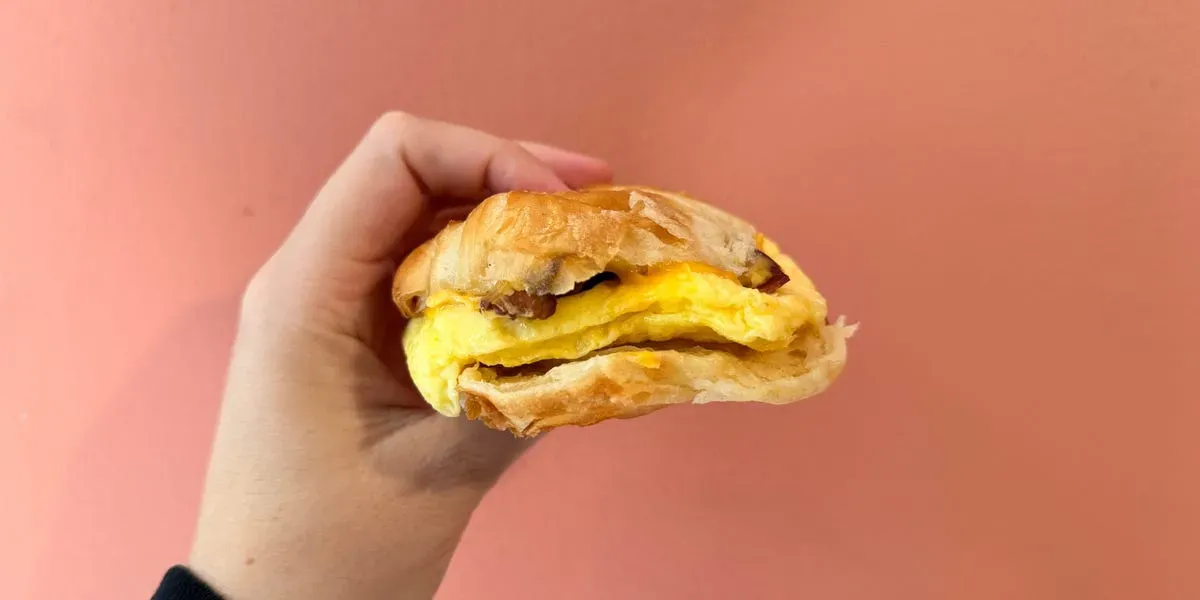
Franchisees and investors have been informed by Wright about the decision to lower ingredient quality as a cost-cutting measure, which has likely affected customer satisfaction. Additionally, new promotions such as Minions & Monsters kids' meals and menu items like the chicken sandwich have failed to generate interest among consumers. The company's attempts to revamp its breakfast offerings have also been met with limited success.
The financial strain on Wendy's is evident in its net income, which plummeted 40% in the first half of 2026 due to high beef costs. This decline is a significant concern for investors and analysts alike.
Wendy's also carries an enormous debt load of $2.4 billion that matches its annual revenue. The company's systemwide sales in the U.S. were approximately $12 billion last year, but since it operates primarily as a franchise model, its revenues are comprised of a percentage of those sales plus rent and fees from its franchisees.
Wendy's struggles to maintain market share have been evident as competitors seize opportunities to capture a larger slice of the burger market.
Burger King has made significant strides in recent quarters, with same-restaurant sales rising by 8.5% last quarter alone. This uptick can be attributed to the success of its Reclaim the Flame" turnaround plan, which has seen half of Burger King's restaurant fleet undergo remodeling and a revamped flagship Whopper sandwich experience contributing to a 20% increase in sales.
Meanwhile, McDonald's, while facing challenges of its own, still manages to clock sales growth, albeit modest. The market leader's ability to maintain some level of growth is a stark contrast to Wendy's struggles, which have been exacerbated by the erosion of its quality differentiation and weakened value proposition.
Shake Shack has also reported respectable same-store sales growth, with a 3.5% increase in its most recent quarter. This performance underscores the competitive landscape that Wendy's faces as it attempts to regain footing in the burger market.
The company's financial struggles have been further highlighted by its decision to withdraw its full-year 2026 outlook and cut its dividend dramatically, citing weak store traffic for the remainder of the year.
Wendy's is facing significant financial challenges that require substantial investment to turn its business around.
The company needs to reduce its debt levels and implement strategic initiatives to boost system performance, but this process may take time.
Some analysts believe a private takeover could be the best option for Wendy's, given the prolonged nature of the turnaround process and the difficulties faced by the quick-service burger category.
Wendy's board has formed a committee to review Trian's proposal, indicating that it is taking the potential deal seriously.
However, not all investors are supportive of Peltz's plan, with Blackwells Capital accusing him of being opportunistic in his bid for the company.
A take-private process can be distracting for CEOs trying to execute a turnaround, but Wright's experience at Potbelly suggests that patience and methodical decision-making may ultimately lead to success.
Wendy's turnaround efforts have been sluggish, and investors are now calling for a change in leadership.
The company has struggled to regain momentum despite efforts to revamp its menu and improve customer experience. Wright's comments suggest that patience is needed as the company addresses internal issues.
Facts based on reporting originally published by Fortune.
You may republish this story, in full or in part, if you credit News Central Site and link to it (licence CC BY 4.0). Photos are not included.