Wellness Devices Emerge as Lucrative Market for Companies
The global market for wellness devices is expected to reach $8 trillion by 2024 and continues to grow.
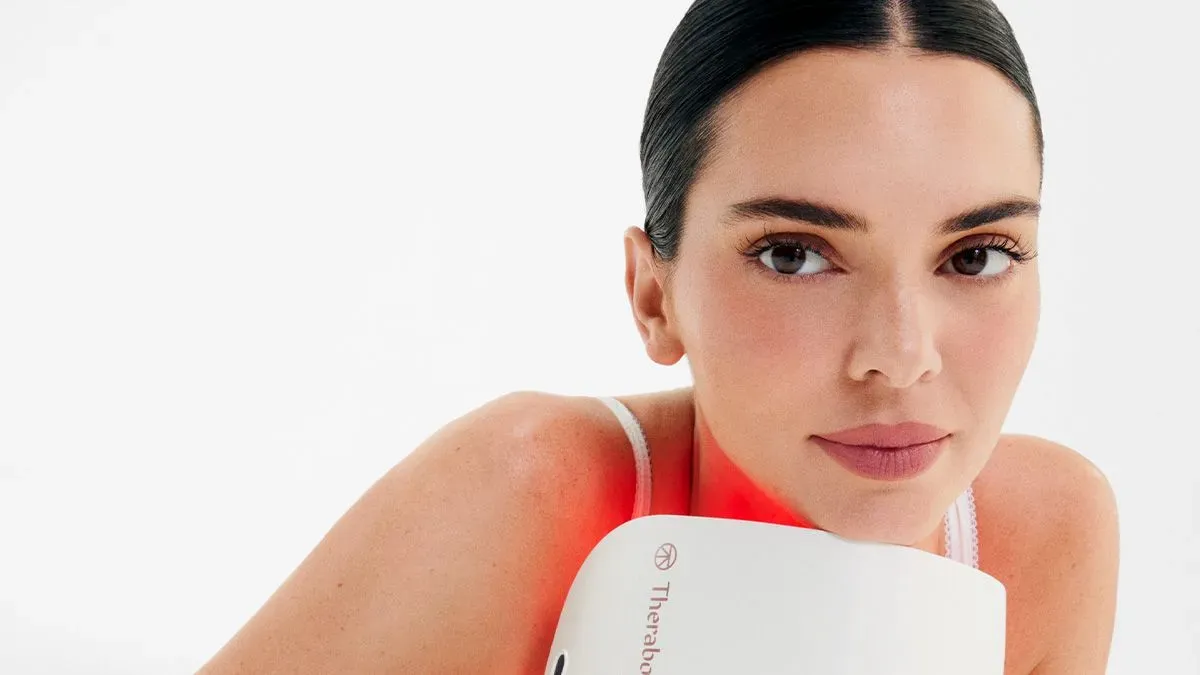
Consumers today are spoilt for choice when it comes to wellness devices that promise to address various bodily concerns. From massage guns and red light therapy panels to LED face masks and lymphatic drainage devices, hundreds of options are available at different price points.
A growing trend is the overlap between beauty and wellness, with at-home devices claiming to deliver medical-grade results. This convergence has led to an increased interest in using technology to achieve optimal health and appearance.
Younger generations, particularly Gen Zs and millennials, are driving demand for these products. They are willing to spend on several at-home devices that promise to optimize their musculoskeletal health, facial appearance, sleep, and recovery.
Social media platforms such as TikTok have become a barometer of consumer interest in wellness devices. Videos tagged with #RedLightTherapy have garnered nearly 100 million views, indicating the growing popularity of these products.
The global wellness industry is projected to reach $8 trillion by 2024, according to the Global Wellness Institute. By 2032, it's expected to grow even further, reaching $7 billion, as predicted by Research and Markets.
As more companies enter the market, established brands such as Therabody and Eight Sleep are facing increased competition from cheaper alternatives. These newer entrants often promise similar results at lower prices, making it difficult for emerging brands to stand out.
The proliferation of wellness devices has led to a situation where convincing consumers to buy is only half the battle. The bigger challenge lies in ensuring that these products remain an integral part of users' daily routines and don't end up as idle devices gathering dust in drawers.
In a crowded market where new devices are constantly being launched, it's becoming increasingly difficult to stand out and create products that consumers will buy and use on a regular basis.
Experts suggest that successful devices aren't those that make vague promises about improving overall health, but rather those that address specific problems or concerns.
Retailers have noticed a shift in consumer demand towards specialized technologies that target clearly defined issues such as sleep improvement, skin care, or muscle recovery.
Consumers are no longer buying into broad wellness promises, but instead seeking solutions to specific problems they want to solve.
According to Lestat McCree, co-founder of wellness retailer Healf, purchases of devices focused on a single problem have outpaced those of multi-purpose devices over the past six months.
The exception to this trend is wearables, which are often purchased to help address a key focus area for consumers.
The success of certain wellness devices can be attributed to their ability to seamlessly integrate into consumers' daily routines. A prime example is the toothbrush, which has undergone significant redesigns over the years. One brand that has managed to reinvent this product is Suri, offering a toothbrush made from eco-friendly materials with an impressive four weeks of battery life and a self-cleaning UV case.
The company's efforts have paid off, resulting in sales exceeding £35 million this year alone. This represents a significant increase from the £7 million generated in 2022. The brand's willingness to invest in design has clearly resonated with consumers who are looking for products that not only function well but also look good. Suri's main pro toothbrush is priced at £109, although the company has recently introduced a more affordable "core" range, priced at £69.
By targeting a specific product category and focusing on one area of improvement, companies like Eight Sleep have been able to build trust with consumers. The brand has concentrated its efforts on sleep technology, releasing features that cater to women's unique needs during pregnancy, postpartum, and menopause. Additionally, the company is exploring medical applications, including at-home sleep apnea diagnosis.
Eight Sleep's co-founder Alexandra Zatarain emphasizes the importance of focusing on outcomes rather than simply developing devices. By prioritizing the end result, the company has been able to create products that genuinely improve customers' lives. This approach has helped Eight Sleep expand its customer base and establish itself as a leading brand in the sleep technology market.
The company's product line ranges from the Pod 6, launched last month, which incorporates biometric tracking with heating and cooling technology, elevation, and a sleep tracking app. Prices for these pods start at $2,500 and can go up to over $4,000. By offering a range of products that cater to different needs and budgets, Eight Sleep has been able to appeal to a broader audience.
As the wellness device market continues to evolve, it will be interesting to see how companies like Suri and Eight Sleep adapt their strategies to meet changing consumer demands. With a focus on design, innovation, and outcome-driven product development, these brands are well-positioned to maintain their success in this growing industry.
Eight Sleep's pods have proven to be highly sought after by consumers, with many willing to pay a premium price of over $3,000 for each unit.
This demand has driven the company's cumulative pod sales to reach approximately $500 million by summer 2025, and it is expected to surpass $1 billion by the end of 2026.
Some customers have taken their enthusiasm for the pods to an extreme, with a few purchasing up to 50 units to furnish multiple homes and beds, while others buy them as gifts for friends and family.
For entrepreneurs looking to break into the wellness device market, McCree advises that a deep understanding of a specific niche need is essential, rather than trying to appeal to a broad audience.
Start by identifying a frustration or problem that you are deeply passionate about solving, so that you can develop a product that addresses it more effectively than anyone else in the industry.
One key strategy for continued growth is to adapt your product's design and pricing to remove barriers to purchase, as Eight Sleep did when it switched from selling entire smart mattresses to removable temperature-regulating covers and pods.
This pivot allowed consumers who were hesitant to replace their existing mattresses to still benefit from the technology, and it has helped fuel the company's rapid growth.
The brand's premium positioning is evident in its average order value, which exceeds $3,000. This figure suggests that the company's target market is affluent individuals, with US customers typically earning more than $150,000 a year.
To make its products more accessible to a wider audience, the company has introduced rental options in the US and installment payment plans in other markets. These initiatives have helped attract younger buyers, including those in their 20s who may not have been able to afford the products otherwise.
A key focus for the brand is making its products more affordable without compromising on quality or effectiveness. According to a company representative, this is a core priority as customers continue to ask about ways to make the products more budget-friendly.
The brand's shift in strategy has paid off, with younger categories like red light therapy and infrared saunas accounting for 86% of sales in 2025. This represents a significant increase from just 18% in 2022, highlighting the growing demand for these types of products.
Red light therapy saw a particularly notable surge in popularity, with sales increasing by more than thirtyfold between 2022 and 2025. As a result, it has become the brand's largest category.
When deciding which new product opportunities to pursue, the company considers several factors including sales data, customer feedback, and potential for complementarity with existing products. This approach allows them to identify emerging trends and capitalize on growing demand.
To maximize customer lifetime value, the brand is focusing on developing complementary devices, encouraging upgrades, and introducing subscription services that generate revenue beyond the initial hardware sale.
The wellness device market is expanding rapidly, driven by innovation and consumer demand for holistic health solutions. According to industry experts, companies are now focusing on developing complementary devices that cater to various aspects of well-being.
This approach has proven successful for Healf, which has seen customers who initially purchase one product often go on to buy others from the platform. As McCree explains, the device serves as a starting point for users' wellness routines, not an add-on. This leads to repeat purchases and a broader range of sales opportunities beyond the initial investment.
Meanwhile, Eight Sleep is taking a different approach by building upon its core technology rather than venturing into unrelated wellness categories. The company's membership model generates recurring revenue through monthly subscription fees, ranging from $17 for its standard tier to $33 for its elite tier.
Facts based on reporting originally published by Vogue.
You may republish this story, in full or in part, if you credit News Central Site and link to it (licence CC BY 4.0). Photos are not included.